
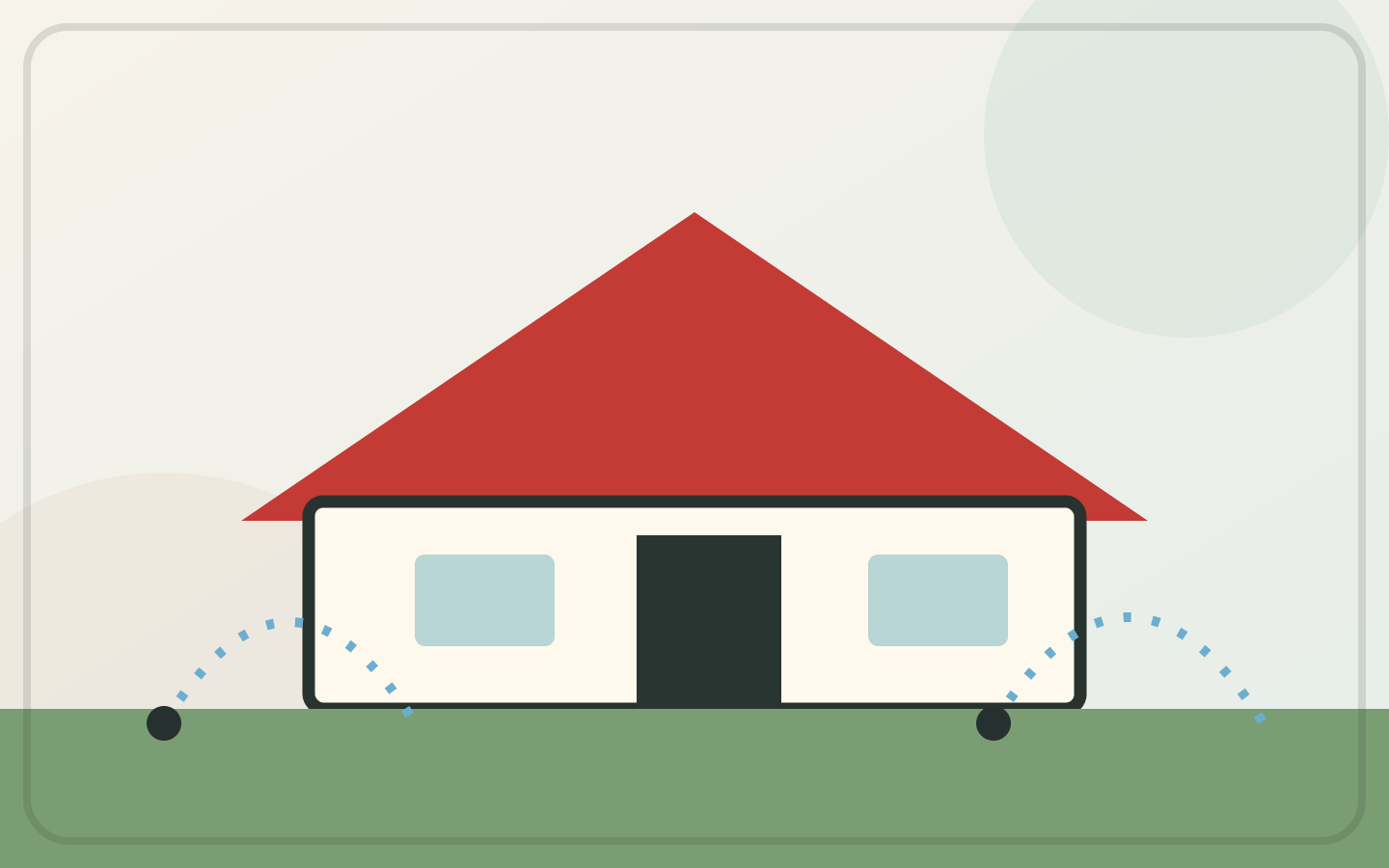
A green garden is easy to admire during a viewing. It is harder to know what keeps it green, how much work the system needs, and whether the water use you see in an old bill resembles the life you will lead there. When buying a resale villa in Dubai, inspect the outdoor watering arrangement as a working system. Ask for its controls, maintenance history and available consumption evidence before treating the garden as a finished feature of the home.
Dubai Electricity and Water Authority (DEWA) advises consumers to check sprinkler valves and heads for leaks, adjust automatic timers to seasonal needs, and avoid watering pavement. These are conservation tips, not a certificate that a particular villa is efficient. DEWA also offers a residential consumption assessment tool for customers. A buyer still needs property-specific information and permission to review it. This article sets out what to ask and observe, without predicting a universal water bill.
If you are building a shortlist, compare resale villas for sale in Dubai. Then use the questions below for each particular home. The filter identifies villas; the inspection helps you understand whether an appealing garden comes with an arrangement you can operate and maintain.
Begin with the outdoor space you would actually use
Do not begin with the controller brand or a photo of the lawn. Begin with how you would use the outdoor area. Will you keep the existing planting, reduce it, add shade, or leave part of the plot unplanted? Are you prepared to manage irrigation yourself, or would you rely on a maintenance provider? A system suited to the seller's routine may not suit yours. Record the planted areas and your intended use before judging the equipment.
Ask the seller to identify what is included in the sale: the controller, valves, heads, drip lines, pumps, storage or other components where present. Do not assume every villa has all of these. Identify which areas are automatically watered and which are watered manually. A seller might describe the whole garden as “automatic” while a side strip or trees depend on someone using a hose. That matters if you travel often or expect to reduce routine visits.
Compare the outdoor area with the plans and property description available for the unit. Note apparent alterations, newly planted sections and any area whose watering source is unclear. The purpose is to know what you are evaluating, not to infer that an alteration was unauthorized. If documentation for a substantial change is material to the purchase, request it and obtain appropriate professional advice.
See the system operate, with permission
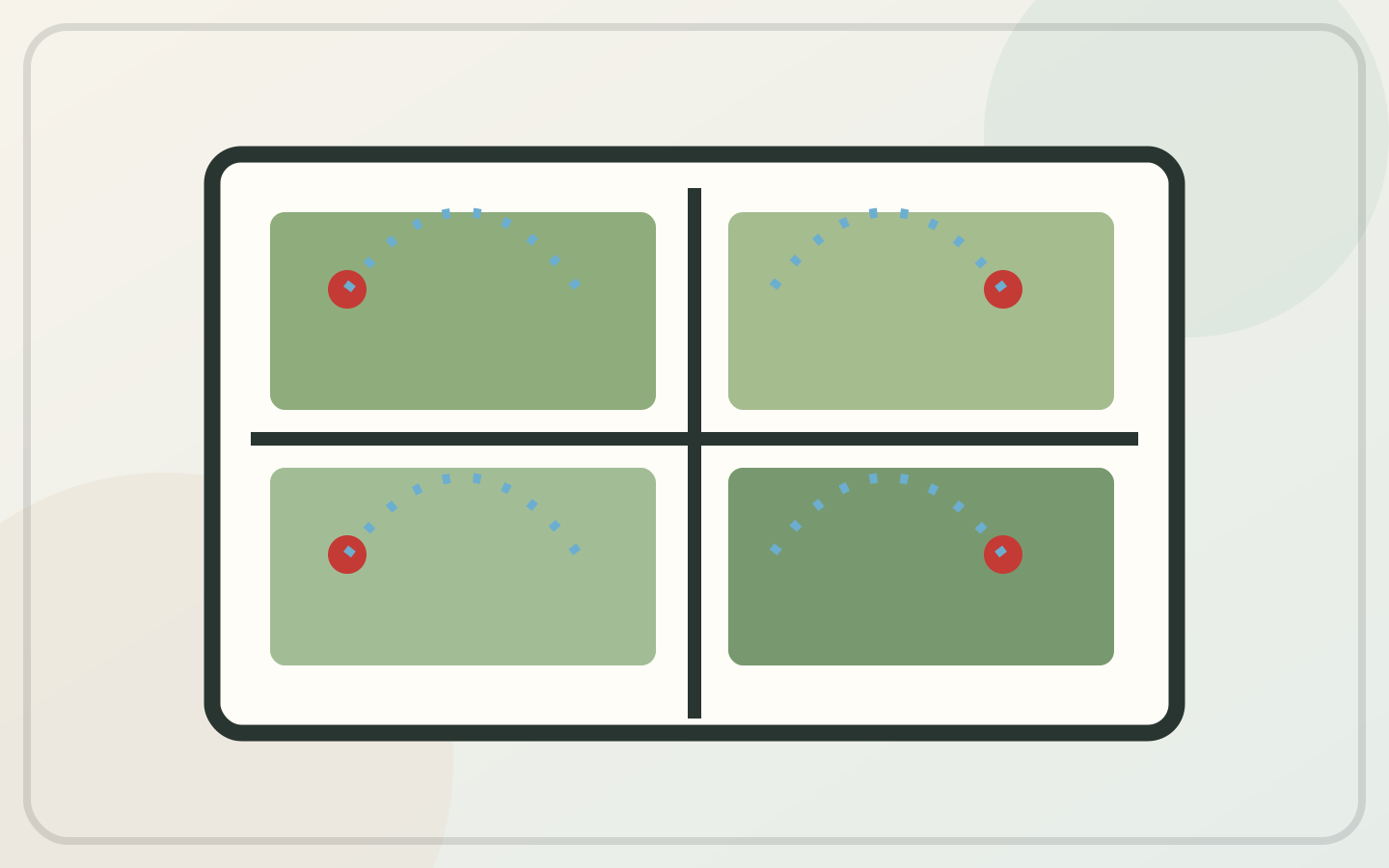
Ask for a short supervised demonstration. Have the seller or responsible maintenance person turn on each irrigation zone, if doing so is safe and permitted. Watch where water emerges and where it goes. A controller screen that lights up proves only that the screen has power; it does not prove that each valve opens, each line carries water, or every planted area is covered. Conversely, one dry patch does not by itself identify the failed component. Record what you saw and what needs a specialist's inspection.
Look for visible leaks at connections and valves, damaged sprinkler heads, spray directed onto paving, and areas receiving much more or less water than neighbouring planting. DEWA specifically recommends periodic valve and head checks and placing sprinklers so they water the lawn rather than pavement. These observations can help you ask a targeted question, but they do not replace a technical assessment. If the system is off at the viewing, ask for another appointment or a dated service record rather than assuming it works.
Ask how zones are scheduled. A timer set for one season may be unsuitable at another time of year. DEWA advises adjustment to seasonal demand and weather; it also suggests watering before 8 a.m. or after 6 p.m. to reduce evaporation. Treat those as guidance for efficient operation, subject to the particular planting and system. Do not claim that a single schedule is correct for every Dubai villa or that a lower timer setting will preserve every plant.
Find the controller and ask who can change it after transfer. Is there a clear manual, a service contact, or an account or app that requires handover? If it is controlled by a maintenance company, request the contract terms and clarify whether that service transfers with the property. Avoid assuming that equipment shown during a viewing will remain connected to an account controlled by the previous owner.
Distinguish water use from water cost
An old utility bill can start a useful discussion, but it is not a quote for your future costs. Occupancy, indoor water habits, planting, weather, leaks and tariff conditions may all differ. Ask for a sequence of bills or consumption readings if the seller is willing to provide them, then look for patterns and unexplained changes. Do not publish a seller's private account details or use a single high month to declare that the garden caused it.
If the seller says the irrigation is on a separate meter, ask to see how that arrangement is documented. If not, do not pretend to isolate outdoor consumption from whole-home figures. A maintenance contractor may be able to estimate the system's operation, but an estimate is a different kind of evidence from measured use. Label it accordingly. Make your budget with a range and an allowance for inspection or repair rather than copying a seller's bill into your own forecast.
DEWA's consumption assessment tool is available to residential customers who log in and complete a questionnaire. It can help an account holder understand consumption patterns and conservation opportunities. It does not give a buyer access to another person's account, and its tailored output for the seller would not be a guaranteed bill for the buyer. Request only information the seller chooses to share, with private account data redacted where possible.
Check whether an unusually low bill reflects a vacant villa or reduced watering rather than a naturally low-maintenance garden. Check whether an unusually high bill coincided with a repaired leak or with a change in occupancy. Ask for the date and scope of any repair. The goal is to understand the evidence you have, not to infer a cause from one number.
If you can see readings over several months, put them alongside the dates when the villa was occupied, when planting changed and when repairs took place. You do not need to calculate a precise garden share from a whole-home meter to learn something useful. A sudden increase can be a prompt to ask about a leak; a stable series can show how the previous household used the property. Neither result is a guarantee about future consumption. Ask the seller to explain any period for which the account was inactive, and leave a gap in your budget when the records do not cover a full seasonal cycle. An honest range is more useful than a precise-looking estimate built from missing information.
Examine the surrounding surfaces
Water that misses the plants may affect more than a bill. During the viewing, look at paving, boundary walls, drainage points and the base of structures near irrigated areas. Note persistent dampness, standing water, staining or uneven surfaces. None of these observations alone diagnoses a defect: recent cleaning, rain or a deliberate watering cycle can change what you see. If a condition matters to your purchase, bring a qualified inspector back and ask them to investigate it.
Walk around planted beds and near outdoor taps without disturbing equipment. Can the system be serviced without damaging finishes or moving heavy objects? Are valves accessible? Does a repair require entry through a neighbour's area, or is that merely an assumption based on a visible pipe? Ask the seller or community manager to clarify anything that crosses a boundary. Do not treat a visible green lawn as evidence that underground lines are accessible or in good condition.
A villa with a private pool presents a separate water and maintenance question. Do not fold pool operation into an irrigation estimate unless you have evidence for both systems. Ask separately about the pool's maintenance and billing arrangements, and obtain a specialist inspection where relevant. This article is focused on garden irrigation; it does not certify a pool, drainage system or building waterproofing.
Ask for maintenance evidence, not a reassuring adjective
“Recently serviced” is useful only if you know what was done and when. Request invoices or service records describing zones checked, leaks repaired, heads replaced, timer changes and any recurring issue. If the garden is maintained under a contract, ask for its scope and notice period. A provider may care for plants without testing buried pipes, or may maintain the irrigation controller without replacing failed planting. Read the actual agreement.
If no records are available, do not automatically reject the villa. Recognise the uncertainty and decide whether to commission a specialist examination or budget for a possible repair. A system that works during one demonstration may still benefit from a condition report. Conversely, an old invoice for a major repair is not proof of a continuing defect. Ask whether the work was completed and whether there have been later problems.
Keep photos of the controller settings and visible equipment only with permission. Document the date of the viewing and weather or watering conditions. If the seller promises to repair a fault before transfer, specify the exact item and verification method in the appropriate transaction documents with professional advice. An informal note saying “garden to be fixed” leaves too much open to interpretation.
Compare villas by evidence, not garden size alone
Imagine two resale villas with similarly attractive outdoor areas. In the first, the garden is large and lush, but the controller cannot be demonstrated and the seller has no recent records. In the second, the garden is smaller, the zones can be shown operating, and recent maintenance documents identify a repaired valve and the service provider. The second has clearer operational evidence. It is not necessarily the better purchase: the homes may differ in layout, location, price and your preferred outdoor use. The example shows why a photograph of greenery is insufficient for a cost and upkeep decision.
Now imagine a third villa with minimal planting. Its immediate irrigation burden may appear lower, but do not assume its total water bill will be lower than the others. Indoor use, occupancy and any other water-dependent features remain relevant. Compare the evidence for the whole property and budget separately for changes you intend to make after purchase. A garden redesign should not be counted as an existing feature.

This method differs from checking garden privacy. Privacy asks who can see and use the space; irrigation asks how it is supplied and maintained. Both can matter, but they require different observations and documents. The outdoor area is most useful when it fits your routine and its operation is understandable. A buyer can reasonably prefer a modest, reliable system to a larger one that needs extensive work, or accept more work for a garden they value. The choice should be conscious.
A short request before an offer
Ask the seller or agent for a supervised zone demonstration; the controller and equipment included in the sale; the last maintenance records; the provider's scope if there is a contract; and a suitable, privacy-respecting view of historical water consumption if available. Ask whether any leak is known and whether any repair is pending. These questions do not imply that the seller is obliged to produce every item. They help you distinguish observed function, documented history and unanswered risk.
At the property, record which zones you saw operate and which you did not. Check the location of valves and controller, note spray reaching pavement, and examine the adjacent surfaces. Return at another time or obtain a specialist inspection for anything material that could not be tested. If the system is said to be managed by the community rather than by the owner, ask for that allocation in writing and check what the owner is still responsible for.
When comparing resale villas in Dubai, add a line for irrigation evidence beside location, layout and price. Ask a PGI adviser to help obtain the seller's documents for the particular property and arrange a relevant inspection. Do not rely on a generic running-cost claim, and do not let a garden photo settle a question about how the system will work after you move in.
Sources and limits
- DEWA's irrigation guidance covers watering times, seasonal timer adjustment, valves, heads and avoiding spray onto pavement. - DEWA's residential consumption assessment tool describes a customer tool for understanding use; it is not a buyer's inspection of this villa.
This guide gives practical questions for a purchase. It does not assert the condition, bill, water source, rights or included equipment of any listed villa. Confirm those facts for the specific property and obtain qualified advice for material defects or transaction terms.
