The choice between ready and off-plan property begins with what the asset must do for you. An attractive payment schedule cannot solve a mismatch between your personal timetable and the property you would eventually own.
This overview examines the practical fit of each route. Once that fit is clear, the accompanying capital-timing guide provides a separate framework for comparing the financial commitments.
Start with the date the property must become useful
Consider whether the property has to meet a real deadline: a move, a change in family circumstances or an intended operating start. Separate a preference for early use from a requirement that cannot comfortably shift. An investment selected without that distinction can create a personal problem even when its broader commercial rationale remains attractive.
Completed does not automatically mean immediately available for your purpose. Occupation, repairs, access arrangements or preparation may still affect the timetable. An unfinished property adds different dependencies before it can serve you. Examine the actual candidate in each case and identify what must happen between the purchase decision and useful ownership. If the plan depends on a particular date, establish what practical alternative would exist if that date could not be met.
Decide how much physical uncertainty you can accept
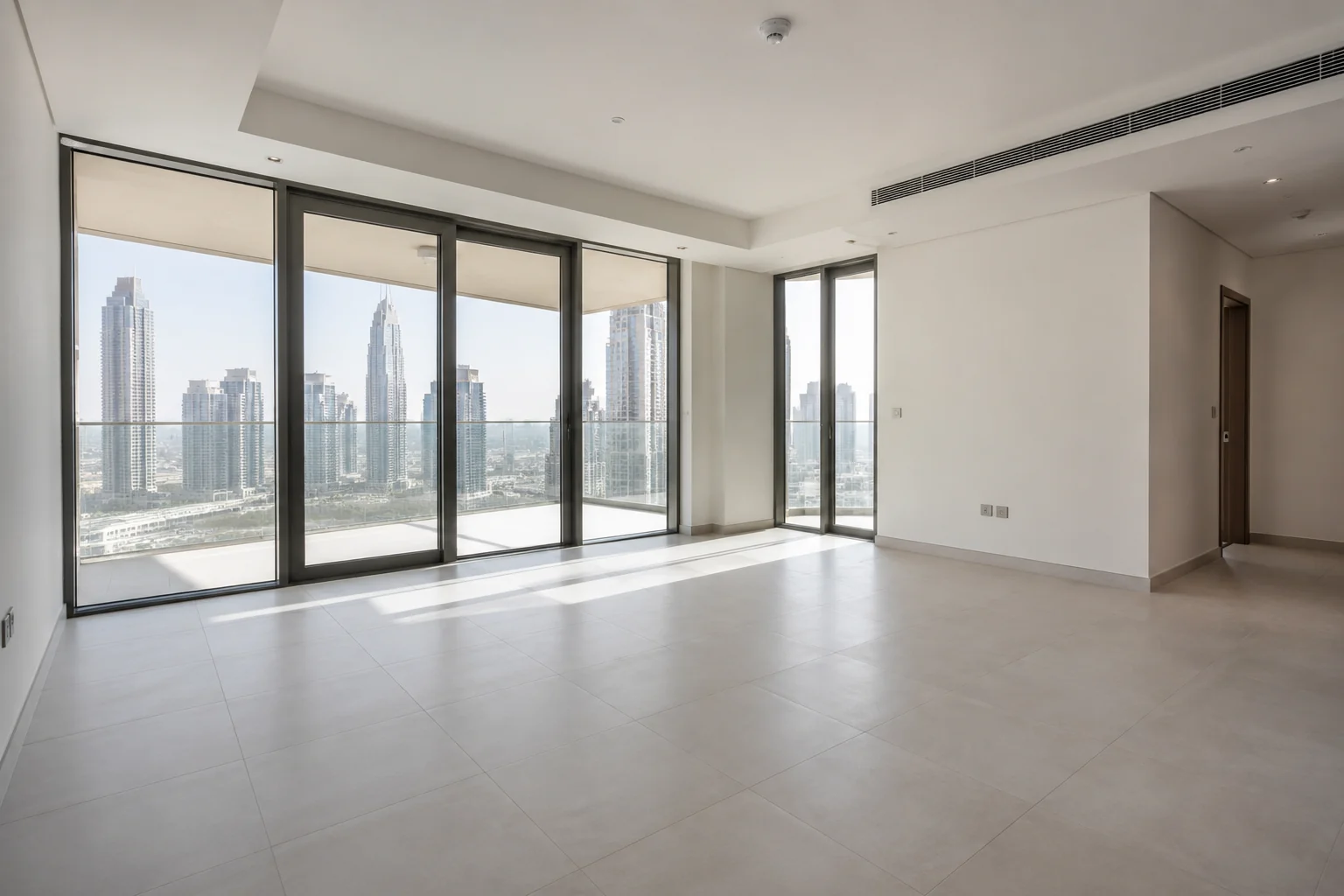
A completed home can be examined in its existing setting, subject to appropriate access and inspection. That can help you judge layout, light, condition and the experience of the building. It does not eliminate hidden defects or remove the need to check documents. The opportunity to inspect is valuable only if the inspection answers the questions that matter to your intended use.
An off-plan proposal requires you to evaluate drawings, agreed specifications and contractual commitments before seeing the finished product. Identify the features that are essential and establish how they are described in the relevant documents. A presentation image and an enforceable commitment serve different purposes. If the appeal depends on a detail that remains uncertain, decide whether you can accept that uncertainty or whether your search should prioritise homes where the detail can already be examined.
Compare the work involved, not the promise of an easy purchase
Both routes can require substantial owner attention, but at different stages. A completed property may involve inspections, refurbishment decisions, existing operating records or coordination with an occupant. A developing property can require progress monitoring, document review and preparation for handover. Later, either route may need furnishing, defect resolution or the appointment of a suitable manager.
Think about who will perform this work if you live abroad. Identify the decisions you want to retain and those you can delegate with clear instructions. Your own availability matters: a technically manageable task can still become burdensome if it repeatedly requires travel or urgent decisions during another commitment. Compare candidates using the support they would need from you, rather than assuming one label means passive ownership and the other means active involvement.
Distinguish the home from the environment around it
The property's setting can be established, changing or largely proposed, regardless of how new the unit itself is. Examine the facilities and access that exist now, the work still in progress and the elements included only in future plans. The important distinction is which parts of daily use you can already evaluate and which depend on decisions or deliveries outside your control.
A buyer willing to live through neighbourhood change may make a different choice from someone who needs a settled routine. Consider the consequences for the intended occupier as well as yourself. Construction, changing access or delayed facilities may affect how the property can be used during a transition. Keep project-specific evidence attached to these observations; a general description of a master community cannot confirm the conditions around every building within it.

Use the right verification path for the chosen candidate
The property stage determines which checks can resolve an uncertainty. A technical inspection addresses different questions from a project-status enquiry or a review of contract specifications. In Dubai, DLD provides a Project Status Enquiry and access through Mashrooi in Dubai REST. Use the exact project identity when checking official information, and obtain the relevant professional review for the documents and physical conditions that official project data does not establish.
Avoid treating a successful check as approval of the whole investment. A documented project status does not establish future income; a well-maintained apartment does not establish vacant possession; an attractive floor plan does not verify the final contractual specification. Give each verification task a defined question. This makes it easier to recognise when a reassuring answer is relevant and when an essential issue still needs another source or reviewer.
An illustrative comparison: when neither label solves the problem
Consider this hypothetical buyer: a family needs a home before a fixed relocation date and cannot accommodate a lengthy temporary move. Its shortlist contains a completed apartment with no confirmed possession timetable and an unfinished unit whose proposed delivery is later than the family's deadline. Neither candidate meets the stated requirement. Calling the first ready or offering convenient instalments on the second does not resolve the mismatch.
Now consider a hypothetical investor with no immediate use deadline but a requirement for a particular usable layout. An off-plan candidate leaves an essential dimension unresolved in the supplied documents, while an inspected completed home demonstrably fails the space requirement. Again, choosing a route in the abstract would be premature. The investor needs a different candidate or a reliable answer to the unresolved specification, rather than a general argument about which market segment is better.
Apply the same discipline to your shortlist: identify the non-negotiable requirement, the evidence that would establish a fit and the candidates that currently fail it. Only compare funding schedules after that screening. This keeps the financial convenience of a proposal from deciding a question that is really about what you need to own.
Sources & further reference
- Dubai Land Department — Project Status Enquiry Checked 2026-10-08