
Emaar Properties is a Dubai-based property group established in 1997. Its residential business is associated with communities including Downtown Dubai, Dubai Marina, Dubai Hills Estate, Dubai Creek Harbour, Emaar Beachfront, Arabian Ranches, The Valley and Emaar South. Understanding Emaar means looking at both the company behind those places and the different homes within them. A waterfront apartment, a townhouse beside a landscaped lane and a detached villa belong to different buying decisions, even when they share the same developer’s name.
This guide explains the company’s background, its leadership as documented in its 2025 annual report, and the residential choices illustrated by its official portfolio. It also connects that company research with PGI project pages and developer filters. It is an editorial assessment of published information, rather than a building inspection, a customer satisfaction survey or a recommendation to buy every property carrying the brand. Source review: 25 October 2026. Project prices, available units and contractual handover dates need separate confirmation for the exact home under consideration.
From a company name to a recognisable part of Dubai
Emaar’s official corporate information places its establishment in 1997 and its headquarters in Dubai. The company’s history is closely associated with large residential districts and mixed-use destinations rather than a single apartment building. That distinction helps explain why the brand appears in discussions about homes, malls, hotels and leisure destinations. Its development activity operates within a wider group of businesses, and the identity of that group should remain separate from the identity of the entity signing a particular sale agreement.
For a property buyer, the useful historical question is how that approach changes the product. A district planned around residential streets, shops and recreation is different from an isolated tower whose neighbourhood grows independently around it. The developer may influence more of the surrounding environment, but the buyer still needs to establish the boundaries of the developer’s responsibility. A prominent masterplan does not mean every building within its wider location was constructed or sold by Emaar.
The company’s Dubai Financial Market listing also makes public corporate disclosures part of the available research. Annual reports can explain business segments, management responsibilities and the period to which reported results relate. They offer a more precise foundation for a company profile than undated marketing statements about experience or size. They do not, however, answer whether a particular balcony faces an active construction site, whether an apartment needs repairs or whether a resale asking price represents good value.
History is therefore a starting point for understanding the developer’s scope. It is not a substitute for identifying the home. Buyers who already know that they want this company’s portfolio can begin with Emaar properties for sale, then narrow the selection by property type and location. The purpose of that link is to turn an informed preference into a specific search. The resulting listings still require a dated availability check before an offer or reservation.
The early communities and the later corporate milestone
Dubai Financial Market’s Emaar Development profile provides a useful sequence for the early Dubai portfolio: Emirates Living in 1999, Dubai Marina in 2000, Arabian Ranches in 2002 and Downtown Dubai in 2004. The chronology is documented in DFM’s Emaar Development profile. These are launch references, not a claim that the entire communities were completed in those years. Read together, they show the move across different residential settings: established house-based neighbourhoods, a marina district, a suburban housing community and a mixed-use central destination.
The sequence also explains why an Emaar search can include homes of different ages. A buyer looking at a resale property in an older community is investigating a building or house that has its own occupation and maintenance history. A new release in a newer part of the portfolio presents a different set of evidence. Neither should inherit a description simply because the developer’s logo is familiar. The chronology helps organise the portfolio, while the property’s own records establish the position of the selected home.
Another milestone is the separate listing of Emaar Development on Dubai Financial Market in November 2017. The securities regulator’s announcement confirms its registration as a local public joint-stock company that year. This corporate event is different from the establishment of the wider Emaar business in 1997. Describing both dates accurately prevents a common confusion: the age of the group, the history of the development activity and the legal history of a particular company are related, but they are not identical facts.
For a reader researching credibility, that distinction is useful in its own right. It is possible to recognise an established development history without assigning the same incorporation date to every subsidiary. It is also possible to describe a listed entity without suggesting that a buyer is purchasing shares in it when acquiring a home. A residential purchase remains a transaction involving the relevant property, contracting parties and ownership documents, even when the developer belongs to a publicly reported group.
A present-day business with several sources of activity
The 2025 group report records property sales of AED 80.4 billion and revenue of AED 49.6 billion for that year. The figures come from the Managing Director’s statement for 2025. These figures describe the reported company period, not current unit prices or a forecast for 2026. They also represent different measures. Sales activity, accounting revenue and future contracted revenue cannot be used interchangeably, and none establishes the number of homes immediately ready for a buyer to occupy.
Emaar’s present portfolio also extends beyond the destinations most often associated with its earlier history. Its official community pages include The Oasis, Grand Polo Club & Resort and The Heights Country Club & Wellness alongside places such as Dubai Hills Estate and Dubai Creek Harbour. Their presence in the portfolio shows the scope of the published offer. It does not establish that all stages are complete, that every facility is operating or that a particular home is currently available at an advertised launch price.
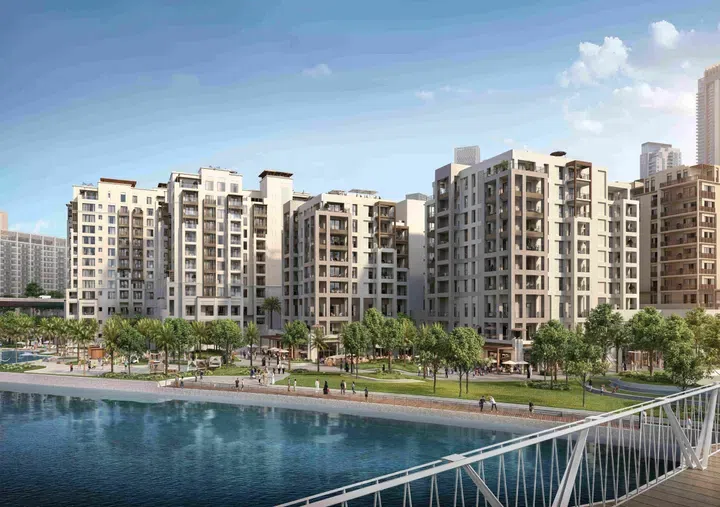
The group’s international presentation lists activity in markets including Egypt, India, Pakistan and Turkey. International presence is relevant when describing the company’s reach, but the local project still needs to be understood within its own jurisdiction and corporate structure. A completed development in another country cannot establish the progress of a Dubai building. Likewise, the success of a shopping or hospitality destination is a separate observation from the condition of a residential property offered for resale.
This combination of development and operating businesses helps explain why Emaar is often discussed as a destination builder. A reader may encounter the company through a home, a mall, a hotel or a leisure venue. Each encounter reveals one part of the group. A complete property search brings the focus back to the residential product and the responsibilities attached to it. That allows the company’s wider activities to add useful context without becoming a general promise about every home in its portfolio.
What the group does, and why the legal names matter
Emaar’s corporate presentation describes activities across property development, shopping malls and retail, hospitality and leisure. Those activities can support the same destination while remaining different businesses. A hotel beside a residential building may have its own operator and access rules. A shopping centre may make a neighbourhood convenient without being a residential amenity included in the apartment’s service charges. Readers should connect the parts of the destination without assuming that they all form one ownership package.
Emaar Properties and Emaar Development are also distinct corporate names. The latter is associated with the group’s UAE build-to-sell development business. A buyer should preserve the exact developer and project entity shown in official project records and transaction documents. Shortening everything to “Emaar” is convenient in conversation; it is insufficient for checking who must deliver the home, which agreement applies and how the particular project is identified. An accurate company profile should help the buyer make those distinctions early.
This matters especially when different documents use a community name, a tower name and a legal project name. Those labels can describe different levels of the same development. Ask for a clear match between the sales presentation, the selected unit and the agreement. If a branded residence is involved, identify the residential developer separately from the hospitality brand. The presence of a familiar name on a brochure does not establish the scope or duration of every service offered to owners.
For practical browsing, PGI’s Emaar apartment selection groups one kind of home within the developer’s portfolio. It should not mix villas or treat every unit as a hotel apartment. A useful shortlist carries the developer, community, building and unit identity together. This structure allows the company’s history to inform the search while keeping the purchase attached to its actual documents, location and residential use.
The people behind Emaar: use a dated leadership picture

Mohamed Alabbar is identified by Emaar as its founder. In the company’s 2025 integrated annual report, Mohamed Ali Alabbar is listed as Managing Director, Jamal Bin Theniyah as Chairman and Ahmed Jawa as Vice-Chairman. The same report identifies Amit Jain as Group CEO. See the 2025 report’s leadership sections. These descriptions belong to the report’s stated period; they should not be silently extended to a later appointment or presented as proof that every page carrying a different title is equally current.
The principal officers recorded in that report also include Ahmad Thani Al Matrooshi, Maitha Al Dossari, Hesham Heikal, Nicolas Bellaton and Ayman Hamdy, with responsibilities spanning executive operations, strategic projects, finance, hospitality and legal functions. This is a useful view of the business’s range. It explains why the leadership discussion reaches beyond architecture or sales. It does not mean that these executives personally manage a buyer’s individual reservation, handover appointment or maintenance request.
Buyers usually interact with a much more specific set of people: a sales representative, transaction administrator, handover team, community manager or building operator. Their roles should be clear. A sales contact may explain an offer but may not be the person authorised to vary a contractual clause. A community helpdesk may deal with access or maintenance without deciding a resale transfer. Knowing where a question belongs can make the process more efficient and leave a clearer written record.
When reading a developer’s team page, look for a date, a corporate entity and a defined responsibility. A long biography is useful only when it explains relevant experience accurately. Family background, another company’s projects and an individual’s former position should not be converted into this developer’s completed delivery record. In Emaar’s case, the public reports provide a way to describe the team with names and roles while avoiding an invented story about personal involvement in every residential project.
How a master-planned portfolio creates different kinds of home
The official Emaar community portfolio covers apartments, villas and townhouses in different settings. The meaningful choice is rarely simply “Emaar or another developer”. It may be an apartment in an established urban district versus a house in a community still growing in phases. It may be a park-oriented location versus a marina setting. Those differences influence how a property is used and what further research will be most useful before a purchase.
A masterplan can make a community legible: residential clusters, open space, roads, commercial uses and leisure destinations are presented as parts of a wider place. Yet the plan is not a photograph of everything operating today. Some components may be established, others under construction and others announced. A buyer should be able to distinguish the part of the environment they can use immediately from the part that remains dependent on future delivery or separate operational arrangements.

The home itself creates another layer of variation. In an apartment building, lift arrangements, common areas and the position of the unit can matter more to everyday life than the name of the wider community. In a townhouse, parking, staircases, garden proportions and adjoining homes change the experience. For a detached villa, outdoor maintenance and the relationship between the plot and built-up space deserve attention. These are different residential products, not interchangeable expressions of one lifestyle.
Begin with the kind of home you need, then use the developer’s portfolio to identify plausible communities. The Emaar villa filter and Emaar townhouse filter serve different searches. Read the unit’s recorded type rather than relying on a promotional heading. That helps avoid choosing a large townhouse when the intended requirement was a detached home, or overlooking an apartment because the community is better known for houses.
Downtown Dubai: a destination and a residential address
Downtown Dubai is one of the clearest examples of Emaar’s mixed-use approach. Its association with Burj Khalifa and Dubai Mall makes the destination widely recognisable. Residential buyers, however, are choosing a home within that setting rather than acquiring the attractions themselves. The building’s position, the apartment’s orientation and the practical route from the entrance to everyday destinations determine how the location works for the resident.
The distinction is important when photographs are dominated by landmarks. An image taken from a public viewpoint does not establish the view from every apartment nearby. Ask which room, balcony or communal area is shown, and whether the picture represents the actual unit. A partial view between neighbouring buildings and an open outlook from a high floor should be described differently. Floor plans and verified unit photographs are more informative than a community montage for this part of the decision.
PGI’s project pages include Act One Act Two, which illustrates how a named development can provide a concrete route into Downtown research. The next step is to identify the offered unit, its internal arrangement and its current sale circumstances. A project page describes the development; it should not be read as confirmation that every layout, floor or view shown in the wider project material is available for purchase today.
The urban setting also deserves a realistic visit. Consider where visitors arrive, how deliveries reach the building and what the route feels like at the times you expect to use it. A buyer who values proximity to dining and entertainment may assess the location differently from someone seeking a quieter home routine. Neither preference needs to become a verdict on the whole district. The useful question is whether this particular Downtown apartment suits the life or ownership plan you have described.
Dubai Marina: separate the masterplan from the individual tower

Dubai Marina is another location strongly associated with Emaar, while the wider district contains developments from different companies. It would be inaccurate to treat every Marina building as an Emaar project. Establish the developer relationship for the tower itself. Then examine the position of that building within the district, including its entrance, surrounding streets, promenade connection and any physical separation between the home and the destinations that interest you.
Emaar’s official Marina Cove page describes a residential apartment project in Dubai Marina. The project provides a current portfolio example rather than proof that all homes in the location share its specification. PGI’s Marina Cove project page can be used to move from the company profile to that specific development. Published illustrations and amenity schedules should still be checked against the exact unit and the applicable project documents.
The attraction of a marina location can be visual, practical or both. Some buyers want to spend time on a promenade; others mainly want a city apartment with an outlook. Check the actual route and the actual view independently. A photograph of water outside the development is not the same as an unobstructed view from the living room. Similarly, being in a district with public transport does not establish a particular walking time from every building entrance.
For a resale home, the condition and operation of the existing building become especially important. Look at lifts, corridors, parking access and the unit’s own maintenance history. For a future home, focus on the contracted specification and the project’s documented stage. The same district can support both searches, but the evidence needed is different. This is why a company-level account is most useful when it leads to a named tower and an identifiable home rather than stopping at the popularity of Dubai Marina.
Dubai Hills Estate: apartments, houses and a green setting
Emaar’s Dubai Hills Estate page presents a community with apartments, villas and townhouses, a golf course, Dubai Hills Park and Dubai Hills Mall. These are community characteristics, not promises that every home overlooks greenery or that membership of a golf facility is included in ownership. The presence of several residential types makes Dubai Hills a useful example of why the masterplan and the individual property must be described at separate levels.
The official Hills Park page identifies one-, two- and three-bedroom apartments. PGI’s Hills Park project page offers a more specific starting point than a broad community search. A reader can ask how the selected apartment’s floor plan, balcony and building position relate to the preference for park-oriented living. That is more precise than assuming that a project name guarantees a direct park view from every room.
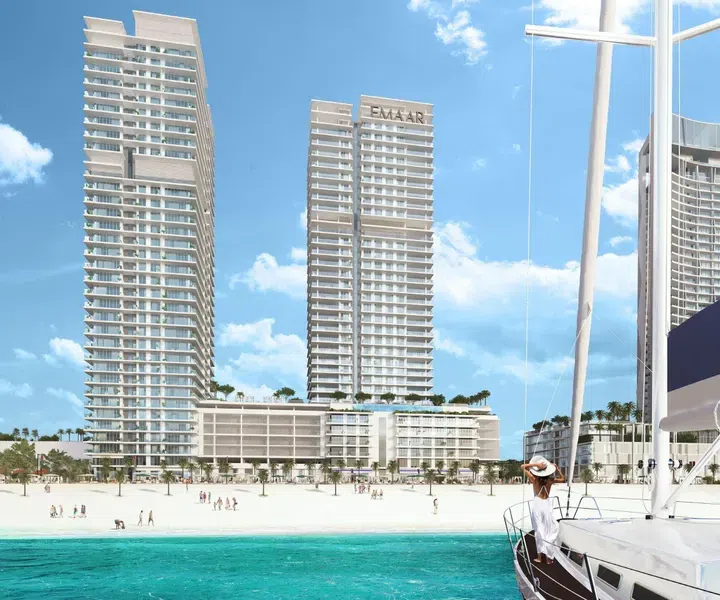
Golf Grand provides another apartment example in the official portfolio. Its presentation centres on the Dubai Hills setting and a range of apartment layouts. The buyer’s question is how the particular home uses that location: which side it faces, how much light enters the main rooms, what neighbouring plots contain and how the building entrance connects with the surrounding streets. A golf-related name cannot establish the outlook of a unit without its plan and position.
Families considering Dubai Hills may also be researching education, healthcare and daily shopping. Those enquiries need named destinations and a route from the actual home. A district-level list does not establish school availability, admission eligibility or a convenient journey for a particular household. A useful visit can combine the apartment viewing with the journeys that matter to you. Keep the result personal and practical: the right location for one household’s school and working pattern may be less convenient for another.
Dubai Creek Harbour: read the waterfront at the right scale
Dubai Creek Harbour is presented by Emaar as a waterfront community. Its project portfolio includes different residential locations within that wider destination, so the term “waterfront” needs a clear geographic scope. A community can have waterfront promenades while a particular building sits farther inland. A tower may have several orientations, with different views and different relationships to neighbouring buildings. The article, project page and unit description should preserve those distinctions.
The official Cedar project page identifies apartments at Creek Beach, with one-, two- and three-bedroom options in its published project description. PGI’s Cedar page is a useful example of a specific destination for readers interested in Emaar apartments. The relevance lies in the project identity and its place within the portfolio. A launch-era bedroom range does not establish which layouts remain available or the current condition of a completed unit.
Another saved PGI example is Creek Beach Savanna. The name helps the buyer distinguish a project within the Creek Beach area from another development elsewhere in Dubai Creek Harbour. Similar community branding can otherwise make separate releases sound interchangeable. Compare the actual building position and apartment arrangement, and ask whether any promised access or facility is included in the ownership and operational documents relevant to that home.
Waterfront living is also experienced through outdoor routes rather than only through photographs. Consider shade, seating, crossings, building exits and the distance you are comfortable covering in the conditions when you expect to be outside. This article does not assign a universal walking time to the community. It encourages a visit or a documented route from the selected building. That keeps the description useful to a resident without turning a broad setting into an unsupported promise of convenience for every unit.
Emaar Beachfront: the beach setting and the residential product

Emaar Beachfront is identified in the official portfolio as a beach-oriented residential destination. The setting naturally attracts interest from buyers who want a home near the sea. The residential choice still depends on the tower, the apartment’s orientation and the arrangements governing facilities and access. A beachfront community label should not become a statement that every room has a full sea view or that every neighbouring hotel service is included for residents.
PGI’s project pages include Beach Vista, a named project that can anchor this part of the search. Use the project material to understand its residential identity, then request evidence for the unit being offered. Wide-angle images, artist’s impressions and photographs from shared decks answer different questions. A good listing explains those differences so that the buyer can understand what belongs to the apartment and what belongs to the wider development.
For a home near the coast, the balcony often becomes a significant part of the decision. Examine its shape, orientation, privacy and connection to the living area. A large quoted outdoor area may have a narrow usable width, while a smaller terrace can be easier to furnish. The choice depends on how you intend to use it. The same reasoning applies to windows and indoor furniture placement: the view should complement a workable home rather than distract from its layout.
PGI already has a separate Emaar Beachfront buyer guide for readers who want more detailed location research. This company profile should lead to that deeper material rather than reproduce it. The distinction keeps the developer article focused on Emaar’s portfolio and makes the area guide useful for its own reader question. Buyers can then compare a Beachfront apartment with a Creek Harbour or Marina option using their actual preferences, rather than treating three different waterside settings as the same residential proposition.
Arabian Ranches and Bliss: the townhouse side of the portfolio
Emaar’s Arabian Ranches communities provide a different residential context from the towers discussed above. The relevant questions shift towards house layouts, outdoor space, streets and the way neighbouring homes are arranged. A buyer considering a townhouse should study the relationship between the ground floor, upper floors and garden. The appeal of a lower-rise community does not remove the need to understand the specific plot and the practical arrangement of the home.
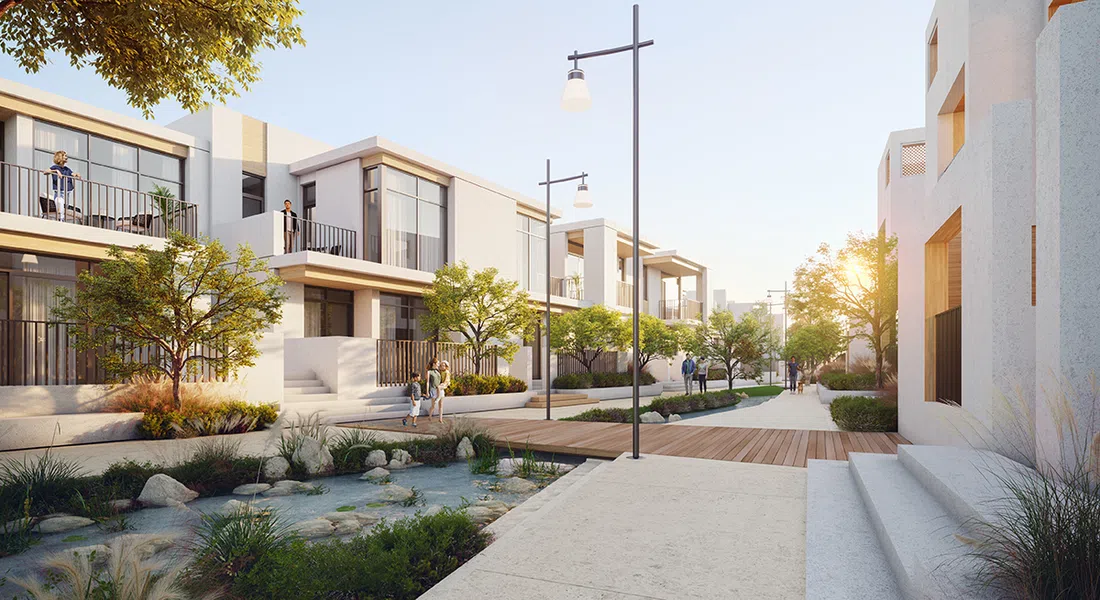
The official Bliss page describes a project in Arabian Ranches III with three- and four-bedroom townhouses, whitewashed buildings and pedestrian-oriented lanes. These details establish a recognisable architectural and planning idea without needing to repeat the brochure’s promotional language. PGI’s Bliss project page allows readers to connect that idea to a named project in PGI’s project collection. Current property information still needs to identify the exact home.
A townhouse’s bedroom count is only one part of its usefulness. Think about where guests stay, where laundry is handled and whether someone working from home can use a room without disturbing the household. Stairs can be a normal part of the preferred arrangement for one buyer and a significant constraint for another. A floor plan that looks spacious overall may allocate much of its area to circulation, so room proportions deserve attention alongside the total figure.
The outdoor setting needs the same specificity. Confirm the garden boundary, parking provision and the route from the entrance to shared spaces. A landscaped lane in a project illustration explains a design intention; a visit establishes how a completed location is experienced. Neither should be used to guarantee that children can move unsupervised or that every amenity is operating. An accurate description can still communicate the character of Bliss while leaving those household and operational decisions grounded in the actual home.
The Valley: understanding a community through its neighbourhoods
Emaar’s official Valley page describes a community along Dubai–Al Ain Road with villas and townhouses. It lists multiple named neighbourhoods rather than a single uniform housing product. That makes the phase or release name important. Buyers should be able to distinguish the home they are considering from other Valley offerings with a different layout, position or specification. A community-wide sales description is too broad to resolve those differences on its own.
The portfolio includes names such as Eden, Nara, Talia, Elora, Rivana and later releases. Their inclusion in a current portfolio is evidence of the developer’s published range, not a statement that all are at the same construction or occupancy stage. Keep the date of the project information visible in your own research. If a resale home is being considered, its present condition and possession arrangements may be more immediately relevant than the wording of an earlier launch brochure.
The Valley can appeal to readers whose first requirement is a house with outdoor space rather than a central apartment. That preference should be examined against the household’s regular journeys and how soon it needs to move. A larger home is not automatically a better match if the location makes the required daily routine difficult. Equally, a household with more flexible travel may place greater value on the arrangement of rooms and outdoor space. The company name does not decide that balance.
PGI’s existing Valley guide covers the destination in more depth and should remain the preferred place for extended community detail. Here, the role of The Valley is to illustrate the breadth of Emaar’s residential offer. Use the Emaar townhouse selection to identify suitable candidates, then compare their phase names and individual plans. A focused shortlist is easier to investigate than a broad promise about the future lifestyle of an entire community.
Emaar South: a different location and a mixed housing range

The official Emaar South portfolio includes apartments, villas and townhouses. This range matters because buyers sometimes reduce the destination to a single kind of home or a general airport-related investment story. The residential offer should be read first as a set of actual properties in a specific part of Dubai. The location, housing type and timing of occupation need to fit the buyer before any wider development narrative becomes persuasive.
Apartments and houses within the same community can serve different household needs. Compare privacy, outdoor space, parking, access and the way shared facilities are used. A buyer who prefers a single-level apartment may not benefit from the additional circulation of a townhouse. Another household may value the separation of rooms across floors. The right search is shaped by those preferences rather than by an assumption that a more expensive or larger category must be the more suitable choice.
The surrounding development context deserves careful language. Planned infrastructure and future employment growth can be relevant topics for research, but they should remain distinct from operating services and measured demand for a particular property. This guide does not predict rent growth or appreciation from the presence of an airport or a new project. Those are separate claims requiring separate evidence. A company’s decision to develop in a location does not establish the outcome of an individual buyer’s investment.
For someone considering living in Emaar South, a practical visit should include the journeys and errands that shape a normal week. For someone considering letting a home, compare realistic alternatives available to the intended tenant rather than relying only on a community presentation. Both searches can start from Emaar’s official portfolio and PGI’s developer filter. They should then narrow to the building or neighbourhood, the offered property and a clearly stated purpose for owning it.
Rashid Yachts & Marina: another interpretation of waterfront living
Rashid Yachts & Marina appears in Emaar’s official portfolio as an apartment-led waterfront destination. Its marina setting gives it a different context from a park-oriented inland community or a house-based neighbourhood. Readers should understand that distinction without assuming that all waterfront projects offer the same experience. The surrounding streets, operational stage and location within the wider city influence the residential choice as much as the appearance of the marina in promotional images.
PGI’s Seascape project page provides one named starting point in this part of PGI’s project collection. A project name makes the search more concrete, but a buyer still needs the selected unit’s position and specification. Ask whether an image is an artist’s impression, a completed shared area or the actual apartment. The same picture can be useful for understanding design while being insufficient evidence for the home’s present view or availability.

A marina-oriented address may be attractive to someone who enjoys waterfront walks or a particular urban setting. Ownership does not automatically include a yacht berth, club membership or access to a hotel’s facilities. Those benefits need explicit terms. A residential pool, a public promenade and a privately operated leisure venue should be described as separate things. That allows the location to be presented accurately without transferring the whole destination’s amenity list to every apartment.
Compare this part of the portfolio with Emaar’s other waterfront locations by starting with your own use. A regular work journey, preference for a particular district or need for a specific floor plan may outweigh a broad lifestyle description. If two apartments have similar bedroom counts, their outlook, circulation and building position can still create very different homes. The value of the developer profile is to make those alternatives visible and direct the reader to the appropriate project pages for closer investigation.
Address, Vida and branded residences: explain the relationship
Emaar’s wider business includes hospitality brands, and names such as Address and Vida also appear in residential project marketing. This relationship can be part of a project’s identity, design and service proposition. It needs to be explained with care. A residential apartment associated with a hospitality brand is not automatically a hotel room, a compulsory rental investment or a home whose owner can use every facility operated by that brand elsewhere.
The useful questions concern the actual services and obligations attached to ownership. Establish which spaces are shared with hotel users, which services are included and which are separately charged. Ask who manages the building and how the residential arrangements are recorded. If a letting arrangement is offered, it requires its own terms rather than an inference from the logo. Different projects and ownership structures can have different arrangements even when the branding appears similar.
PGI’s Address Harbour Point page illustrates a named project within this part of the portfolio. The project identity is a starting point for understanding the residential offer. It should not be used to claim an unrestricted service package, a guaranteed rental return or a common operating model across every Address-branded development. An accurate description explains the verified relationship and keeps unit-specific inclusions attached to the applicable documents.
For a personal home, consider whether the service model matches the way you want to live. Some buyers value staffed environments or particular shared spaces; others prefer a simpler residential operation. For a property intended to be let, the operating arrangements and recurring costs deserve a separate assessment. The branding can help define the shortlist, but it should sit alongside the floor plan, location and ownership obligations rather than replace them. The most informative comparison is between clearly described homes, not between logos alone.
Design and specification: where the portfolio becomes personal

Emaar’s projects span different architectural settings, so a company-level design description should remain broad. The home’s own specification is more important than a general promise about contemporary interiors. Review the kitchen arrangement, storage, bathroom access and furniture positions. A room’s quoted dimensions can become more useful when you sketch the furniture you expect to use, including the space needed to walk around it and operate doors or drawers comfortably.
Balconies, terraces and gardens deserve the same attention. Outdoor space should be described by its usable arrangement as well as its area. Consider privacy from neighbouring homes, the relationship with bedrooms and the practical connection to indoor living space. A corner apartment may have a different outlook and exposure from another unit with the same bedroom count. A townhouse with an apparently similar plan may sit on a plot that changes the garden experience substantially.
Show homes and project renderings are useful design references when their purpose is clear. Decorative furniture, lighting and artwork may not form part of the purchase. Request an inclusion schedule for the exact home if furnishing or appliances influence your choice. The same approach applies to materials and finishes: a visual impression should lead to a clear specification rather than becoming an unsupported assurance that every delivered surface will match a promotional image in every detail.
This part of the decision is where a buyer’s own priorities become most important. Someone who entertains regularly may value the living room and dining arrangement. Someone who works from home may need acoustic separation and a usable desk area. Another buyer may prioritise step-free access or storage. Emaar’s varied portfolio offers different candidates, but the appropriate choice emerges from the property’s actual arrangement. A well-written project description should make those useful differences easy to understand.
Established homes and new releases require different evidence
A developer with an established portfolio can offer buyers both existing homes and projects marketed for future occupation. These searches should not use the same evidence interchangeably. An existing home can be inspected in its current condition, while a future home relies more heavily on plans, specifications, contractual commitments and project-stage evidence. The company’s history may inform the context, but it does not eliminate the difference between those two kinds of decision.
For an existing apartment or house, the condition of the selected property matters independently of the developer’s reputation. Ask about repairs, alterations and the operation of installed equipment. In shared buildings, look at the common spaces as well as the home itself. A property that has been occupied and maintained in one way can differ substantially from a neighbouring unit with the same original layout. That variation should be reflected in the description and the viewing process.

For a new release, establish what is being offered now and what remains an expectation. Project images can communicate design but cannot show completed condition before completion. The estimated handover period printed in an earlier brochure should not replace the terms of the agreement being considered. Where current official project records are needed, retrieve them for that named project rather than using a group-wide statement about construction or delivery as a substitute.
Neither route is automatically the better choice. A buyer with a fixed moving date may place greater weight on a property that can be inspected and whose possession arrangements are clear. Another buyer may accept a future delivery timetable for a preferred layout or payment structure. The point is to make the trade-off explicit. A developer profile is useful when it helps the reader identify the correct route and the evidence that route requires, without promising certainty that the available information cannot support.
Reading price and value without turning the brand into a forecast
The price of an Emaar property cannot be established by the company’s name alone. Community, building, floor plan, condition, outlook, sale circumstances and the date of the offer can all affect the comparison. A developer’s published starting price is not a quotation for every home in the project. If the specific unit is central to your decision, obtain its current written terms and keep the date beside the figures rather than treating a historical launch price as current availability.
For an apartment, a useful comparison uses homes with a similar residential function and a clear account of their differences. Two properties with the same bedroom count may allocate space differently or include very different outdoor areas. For a house, separate the plot from internal accommodation and understand what the quoted area measures. A single price-per-area figure can obscure those distinctions. It is a comparison aid only when the underlying properties and measurements are properly understood.
Owning and operating a home also involves costs beyond the purchase figure. The applicable items depend on the transaction and the property, so they should be confirmed with current documents and the relevant providers. This article does not provide a universal fee schedule or a personal investment calculation. It encourages the buyer to compare complete, documented proposals rather than assuming that the best-known company, the lowest advertised instalment or the most impressive image establishes the best value.
If rental use forms part of the plan, keep projected income separate from verified contracts and current market evidence. A hotel’s occupancy figure, mall visitor count or group sales result cannot establish the income of an individual apartment. The same caution applies to future price growth. Emaar’s scale is part of the company profile; the performance of the property you buy remains a separate question. A useful adviser makes that separation clear and explains the evidence supporting any property-specific estimate.
Company scale, public reporting and the limits of reassurance

Public reporting gives readers a way to understand a developer beyond a brochure. Emaar’s annual report covers its operating businesses, governance and reported financial results for a defined period. That information helps explain the group’s scale and the breadth of its activity. The report should be read as company disclosure, with attention to its date and scope, rather than converted into a guarantee about the outcome of an individual residential purchase.
For example, property sales, recognised revenue and future revenue backlog describe different aspects of a development business. None is the same as the number of completed homes available for immediate occupation. A company can report strong sales while particular projects remain under construction. A careful article should avoid combining these measures into a single promotional statement about delivery. The distinction is useful even when a reader is interested only in a home rather than in the company’s shares.
The report’s governance sections also help identify who oversees the group and how responsibilities are organised. They do not establish that a particular buyer has no contractual risk or that every operational problem will be resolved in a particular way. Corporate information can add context and accountability without removing the need to understand the agreement, the project and the building. These levels of evidence complement one another; they answer different questions.
For the same reason, this guide does not assign Emaar an invented star rating or describe the brand as a universal guarantee of quality. A fair profile can explain a substantial portfolio and established corporate history while leaving room for property-specific judgement. Readers should be able to see where a statement comes from and what it actually demonstrates. That approach makes the article more useful for a serious buyer than either unqualified praise or an unsupported negative verdict drawn from isolated comments.
How to use owner reviews and project photographs constructively
Owner comments can reveal questions worth investigating, particularly when they identify a named building and describe a specific experience. Their value depends on context. A review of a reservation process is different from an account of living in a completed property. A comment about a hotel stay does not establish the residential management experience in a neighbouring building. Read the subject, date and scope before applying the statement to another project carrying the same brand.
Repeated, well-documented observations can justify further enquiry, but the article should not present unverified allegations as fact. Equally, selected positive testimonials cannot establish the experience of every resident. If a comment raises a material issue about the home being considered, seek the relevant documents, inspect where possible and ask the responsible party for a specific response. The objective is to understand the property rather than to create a company-wide verdict from an incomplete collection of anecdotes.

Photographs need a comparable discipline. Identify whether an image is supplied marketing material, an artist’s impression, a recent building photograph or an image of the actual unit. A rendering may communicate layout and landscape intentions while showing a future environment. A photograph may accurately show a completed space without being recent enough to establish its present condition. Descriptions and captions should make these distinctions visible so readers can interpret the image correctly.
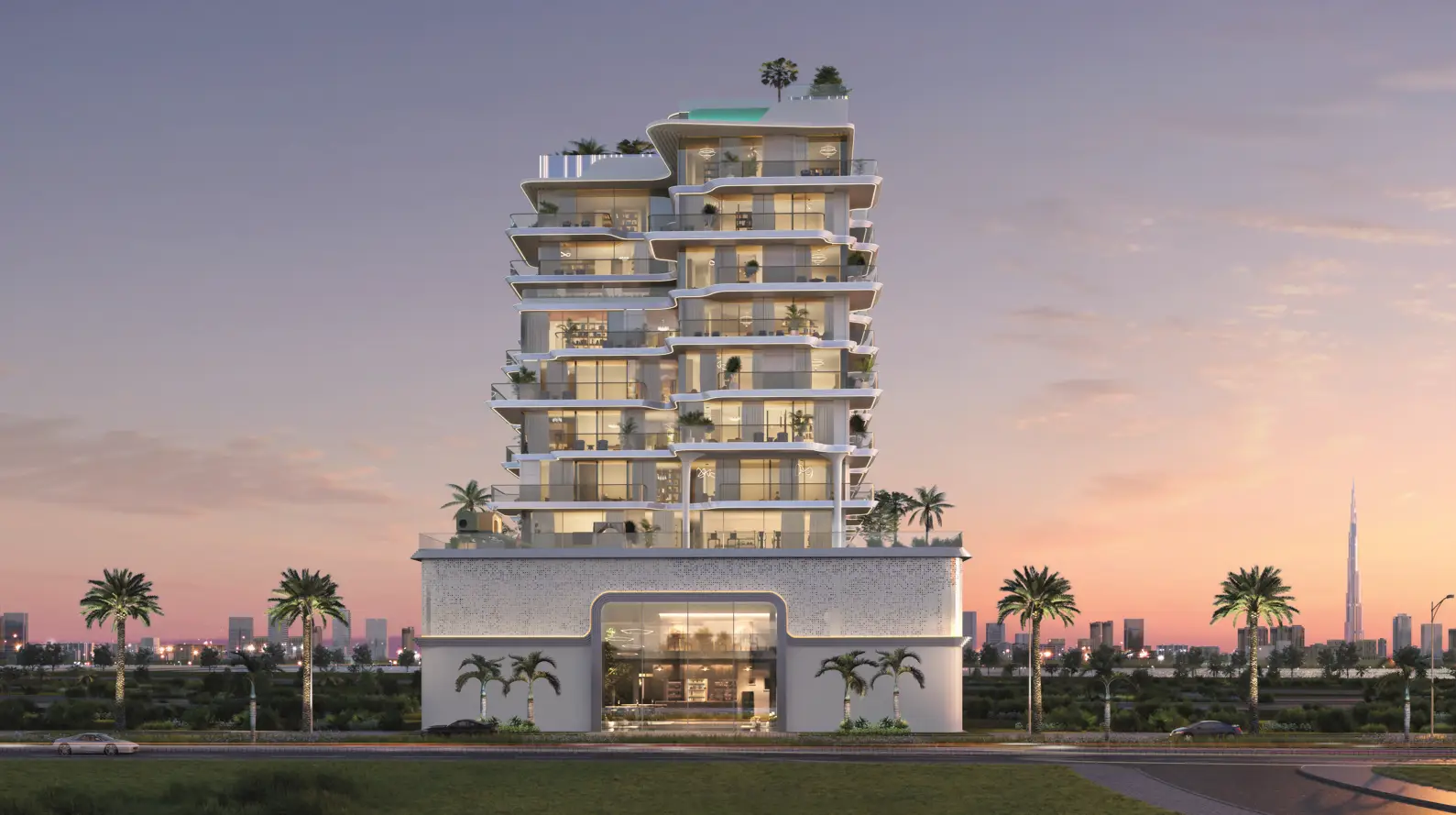
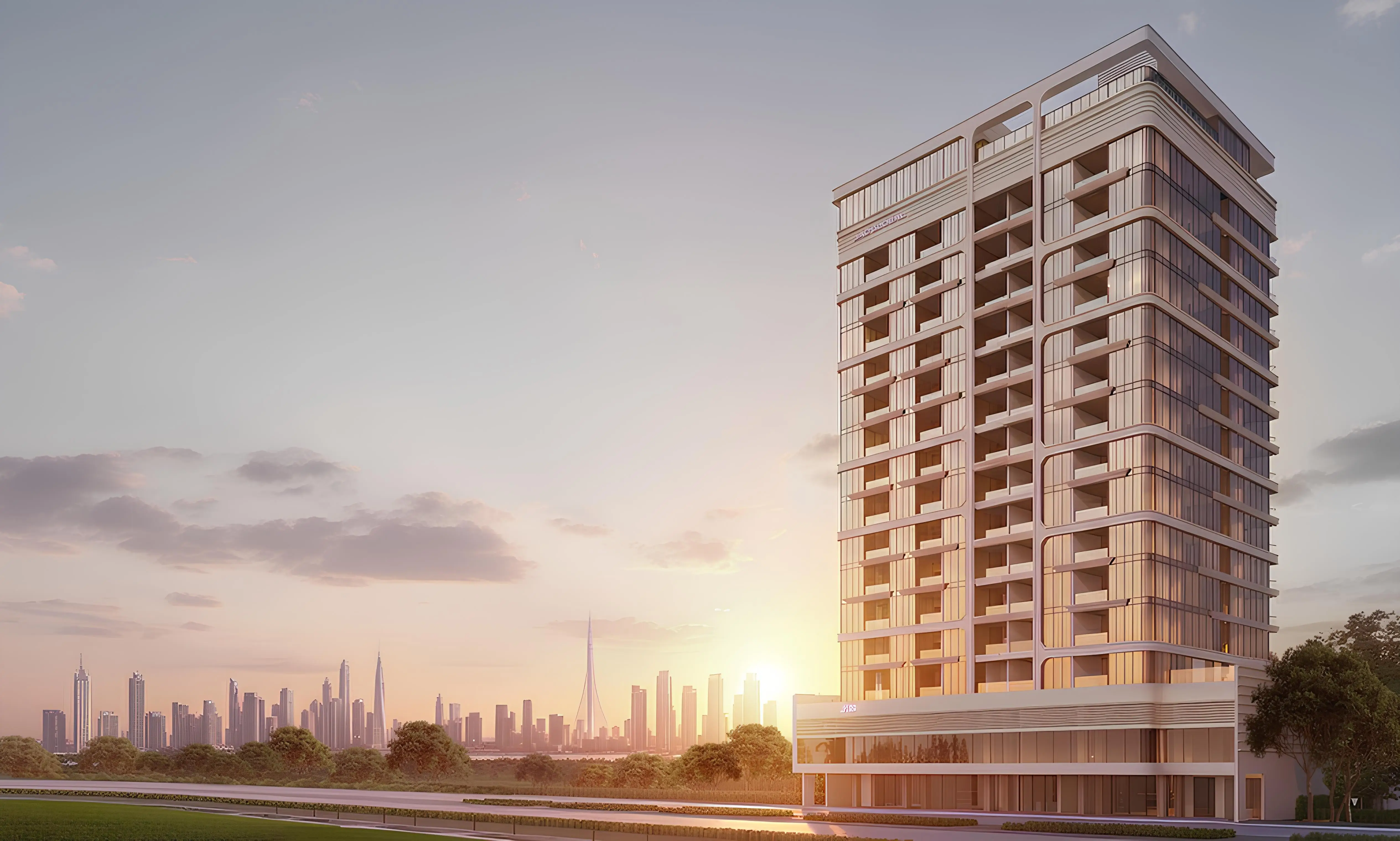
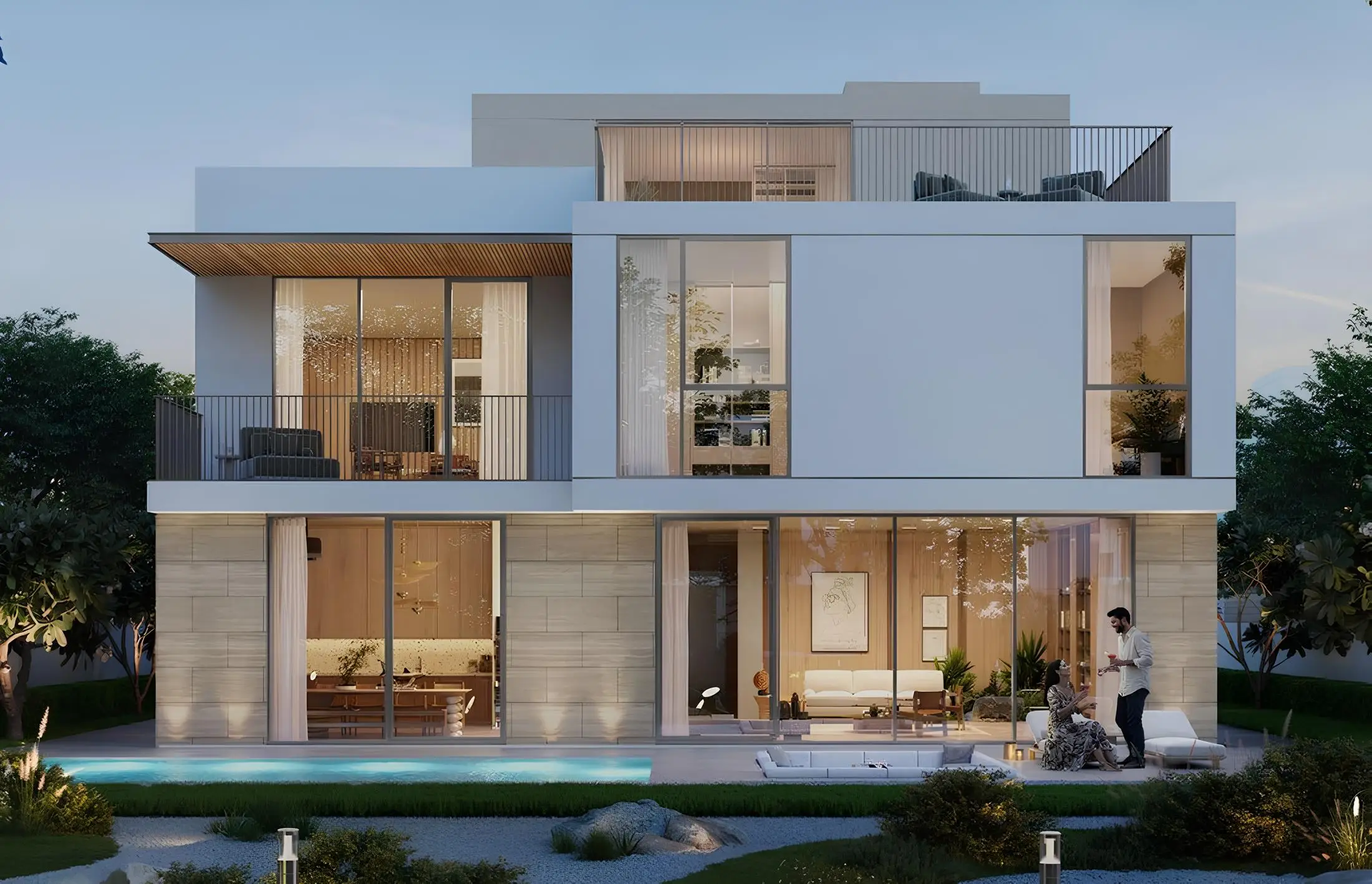
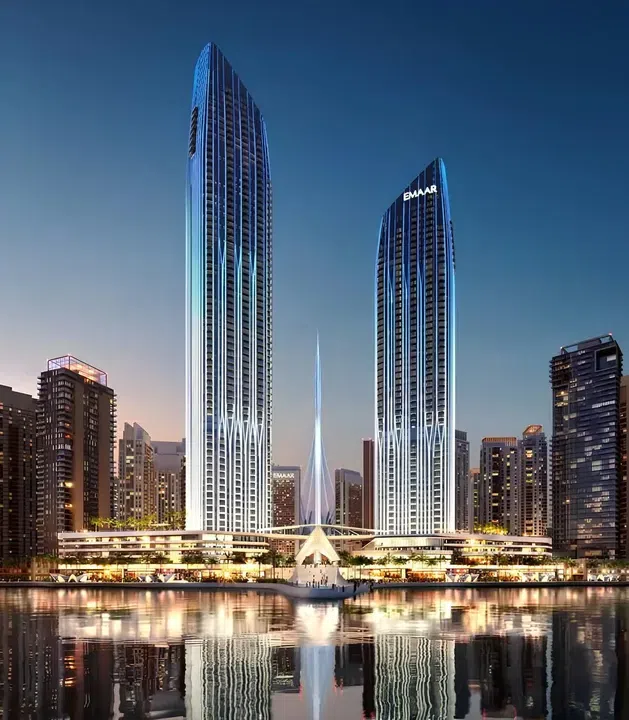
The pictures accompanying this profile illustrate named projects and settings within PGI’s project collection. They are not evidence that a particular apartment is available, that its outlook matches the illustration or that every facility shown is operating today. Use them to orient your research, then follow the relevant project link and request the current unit information. Keeping visual appeal connected to the right scope makes the article both more engaging and more reliable, especially for buyers researching from outside the UAE.
Build an Emaar shortlist around the home you need
Start by stating the residential requirement in plain terms: apartment, townhouse or villa; preferred locations; approximate budget; bedroom needs; and the date when the property should be usable. Add the features that genuinely affect the choice, such as step-free access, outdoor space or a separate room for work. This brief makes the company’s broad portfolio easier to navigate and reduces the risk of choosing from whichever launch presentation happens to be most persuasive that day.
Next, choose a small number of communities that fit those requirements. Downtown and Marina offer different urban settings; Dubai Hills provides another mix of apartments and houses; Creek Harbour and Beachfront bring different waterfront contexts; Arabian Ranches, The Valley and Emaar South add further housing choices. These are starting distinctions rather than a ranking. The most suitable community depends on the household or ownership purpose and the specific homes actually available within it.
Use properties for sale from Emaar for a broad view, apartments from Emaar for a tower or apartment-building search, and the villa or townhouse filters when a house is the requirement. Then compare named projects rather than carrying a community description across every result. Keep the selected unit’s details beside the project information so that the final shortlist remains tied to actual homes.
An enquiry to PGI can begin with the project names, the kind of home and your intended timing. The useful next step is a property comparison or a viewing discussion supported by current information. There is no need to send private financial documents in an initial message. Emaar’s history and portfolio can help you choose where to look. The home’s verified identity, arrangement, location and terms are what allow that research to become a clear, informed purchase decision.

Sources and scope
The principal company reference is Emaar Properties Integrated Annual Report 2025, particularly its corporate activity note and its leadership and organisational sections. The history is cross-checked against Emaar’s corporate FAQ, Dubai Financial Market’s company profile, DFM’s Emaar Development profile and the securities regulator’s November 2017 registration announcement. Where listing-day references differ, this article uses the year rather than selecting an unsupported day.
Portfolio relationships and published product descriptions are checked against Emaar’s community portfolio, Dubai Hills Estate, Dubai Creek Harbour, Emaar Beachfront, The Valley, Emaar South and Rashid Yachts & Marina. Project references include the official Cedar, Hills Park, Golf Grand, Bliss and Marina Cove pages. This source review does not constitute a unit inspection or verification of current sale terms.