Give the research a practical starting point
Begin with the decision on your desk. You might be choosing between two completed apartments, considering a future handover or deciding whether a home should serve a conventional tenancy or shorter stays. Each question needs a different combination of information. Write down the property type, intended use and expected ownership period before opening another market presentation. These boundaries help you recognise a relevant report and avoid collecting attractive figures that cannot change the choice you need to make.
A research brief also makes discussions with advisers more productive. State which parts of the proposal are already documented and what remains uncertain. Perhaps the layout is known but the operating costs are not; perhaps the neighbourhood is familiar but the likely occupant's alternatives have not been examined. Ask for evidence that addresses those gaps. A detailed answer about an unrelated market is still unrelated, even if the organisation producing it is reputable and the report is beautifully presented.
Put economic context in the correct column
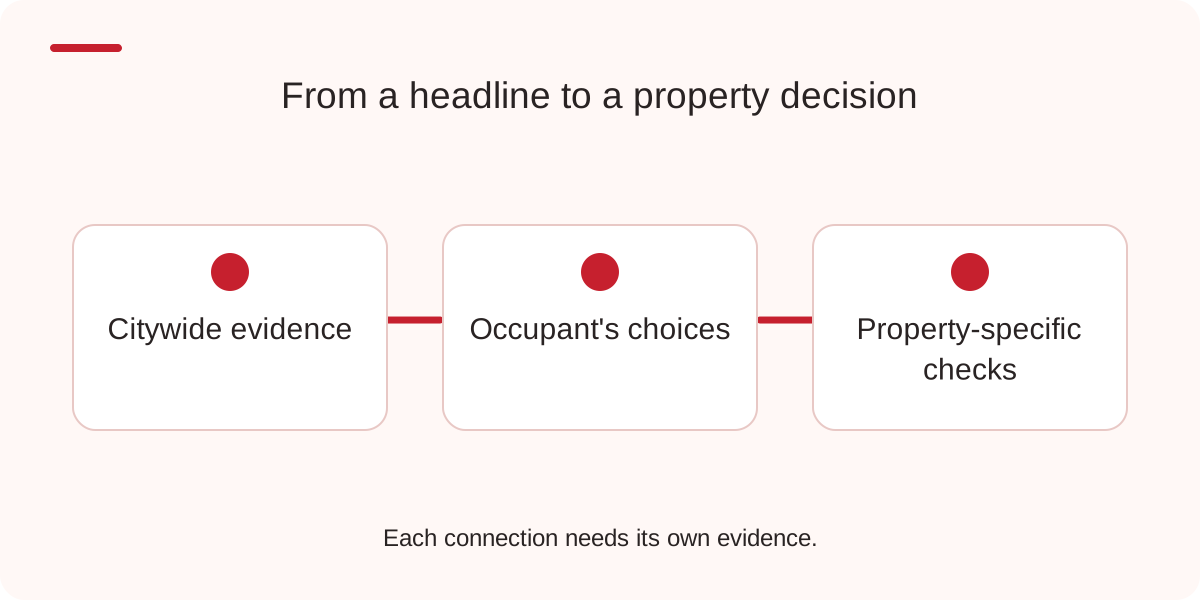
Economic activity can help explain why a place deserves investigation. It cannot, by itself, establish the income of a household, the rent of a particular unit or the period needed to find an occupant. Keep national, emirate and neighbourhood evidence distinct. A national sector result describes a different scope from a local housing sample. If the argument jumps between them, identify the missing connection and decide which property-level evidence would be needed to support it before accepting the conclusion.
An effective file has room for both context and direct observations. In the context column, record the publisher, geographic coverage, period and whether the statement concerns an actual result or an expectation. In the property column, place the documents and comparisons that relate to the candidate unit. The columns can inform each other without becoming interchangeable. This arrangement lets you retain useful economic research while keeping the purchase assessment grounded in information that can actually distinguish one offer from another.
Follow the household's decision rather than a headline
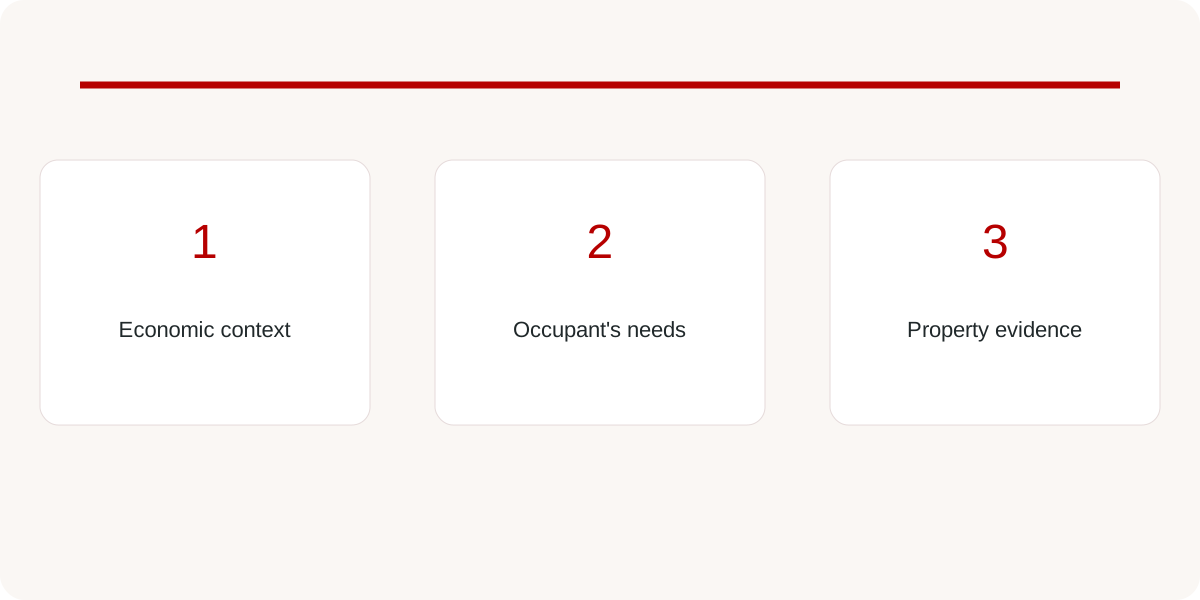
For a home intended for residents, investigate the reasons a household would choose it at the proposed total cost. Consider the usable rooms, privacy, access, maintenance arrangements and the needs the buyer has identified. Two homes in the same district may serve different users because their internal layouts or building arrangements differ. A broad claim about population growth does not resolve those differences. The relevant question is which alternatives the prospective occupant could reasonably choose instead and what makes this particular offer competitive.
The neighbourhood guide in this collection develops that part of the research. Use it to organise a visit and compare daily routines rather than assembling an indiscriminate list of landmarks. Record the journey or service you checked, the circumstances and any conditions that still require confirmation. A school name, employment district or shopping destination can be relevant background, but its presence does not establish admission, convenient access or tenant demand for every surrounding property. The household's actual requirements determine which facts matter.
Treat visitor accommodation as a separate operating question
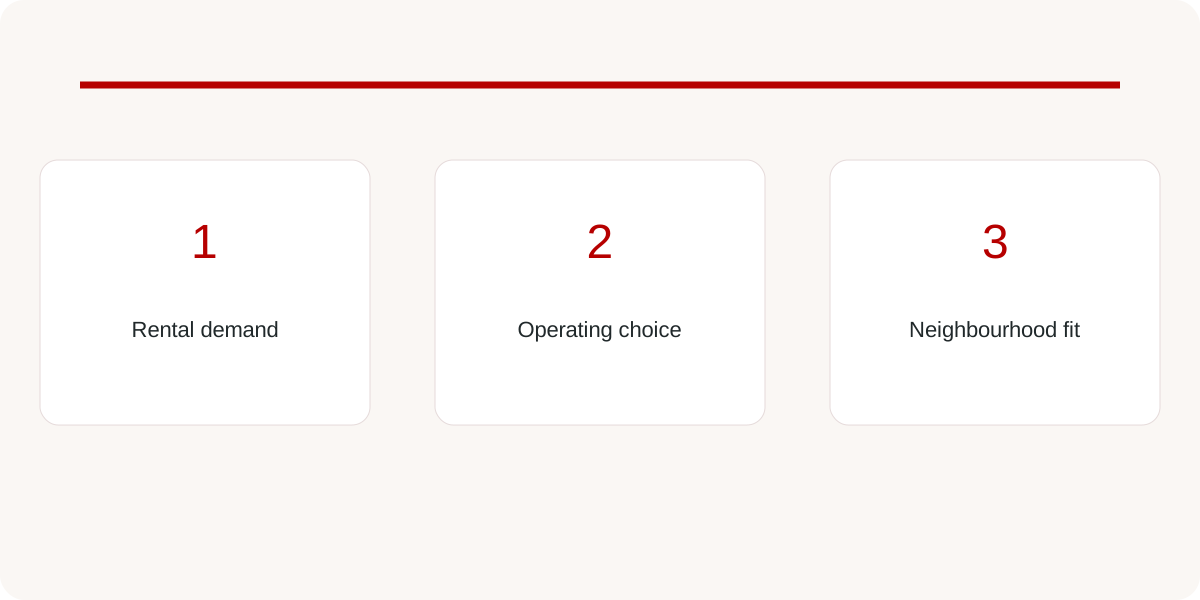
Tourism publications and a private apartment's operating proposal serve different purposes. The official report explains a defined part of the visitor or accommodation economy. The proposal asks whether a particular home can be run under specific arrangements at an acceptable cost. Keep the report's coverage visible when discussing the proposal. A hotel-sector measure should not silently become a forecast for a privately operated unit, and a historical reporting year should remain labelled with its own dates throughout the discussion.
The new rental-demand guide explains how to challenge the connection between citywide data and an operator's assumptions. The long-term versus short-term rental comparison then considers the operational choice in more detail. Read them in that order when a purchase presentation relies heavily on tourism. Establish the intended user and the quality of the evidence first, then examine how the proposed arrangement would work. Permission, management responsibilities and financial assumptions each need their own supporting information rather than being bundled into one optimistic description.
Make a small comparison that another person can follow
Prepare a short note for each property under consideration using the same questions. Describe the intended user, the strongest supporting evidence, the main competing alternative and the unresolved issue most likely to affect your choice. Attach sources instead of copying whole reports into the note. Consistent questions make the options easier to compare, while the answers should reflect their actual differences. If every note reads identically, the research may still be too general to explain the purchase decision.
Invite a second reader to identify where an assumption has been presented as a fact. They should be able to trace a statement to its source and understand what would make the conclusion change. This is especially useful when several advisers have contributed material with different dates or geographic scopes. Reconcile genuine contradictions before averaging numbers or selecting the most favourable result. A narrower conclusion that you can explain is more useful than a confident ranking assembled from incompatible evidence and undocumented expectations.
Use the reading collection to complete the next task
Choose the supporting material according to the question still open. Start with the rental-demand article when the link between market narratives and a specific unit is weak. Move to the operating comparison when you need to understand the practical differences between rental arrangements. Use the neighbourhood guide when the occupant's everyday experience remains unclear. These are complementary tasks, not three versions of the same market forecast, and you can revisit them as the property shortlist becomes more specific.
Finish the research stage with an action that has a purpose: obtain a missing document, inspect a route, compare a better-matched property or revise an assumption. Assign a review date if the purchase is not immediate, because an operating quotation and a completed historical report age differently. The objective is a purchase case that remains understandable when circumstances change. Population, economic and tourism information can improve that case when its scope is respected and the final judgement still rests on the actual property.
- Define the purchase question.
- Keep scope and period with each source.
- Compare the intended user's alternatives.
- Choose the next document or visit that can change the decision.
Sources and reference
- Dubai DET — Tourism Research — Checked 13 October 2026
- Dubai DET — Holiday Home Permit — Checked 13 October 2026