Is Object 1 a good developer?
Object 1 can be considered for a shortlist, but the evidence reviewed here does not support a blanket verdict on build quality, delivery reliability or investment returns. Its official RA1N page describes a completed building in JVC. That gives a buyer a named project to investigate; it does not prove on-time delivery, confirm the condition of a particular apartment or establish how a future project will perform. Assess the exact building, unit and contract before deciding whether the offer fits your needs.
Source check: 12 October 2026. This assessment uses the developer’s RA1N description and the DLD project enquiry service. PGI has not independently inspected RA1N for this article or retrieved a project-specific DLD result. The questions below show what to verify before relying on a sales claim.
| Buyer question | Available evidence | Next check |
|---|---|---|
| Has it completed a building? | The official RA1N page labels that project completed. | Match the legal project identity with current DLD records and arrange a visit. |
| Was delivery on time? | A completed label does not establish the original contractual deadline. | Compare the relevant contract, notices and actual handover evidence. |
| Is the apartment well built? | A portfolio page cannot establish the condition of an individual home. | Inspect the chosen unit, document defects and clarify repairs and warranties. |
| Does the purchase suit my budget? | A brand name or advertised starting price is insufficient. | Use a dated unit quotation, all payment dates, separate costs and a funding reserve. |
Object 1’s distinctive project names make its portfolio easy to recognise, but similar branding can conceal important differences for a buyer. A home in Jumeirah Village Circle, a future apartment in Dubai Land Residence Complex and a project in Abu Dhabi need different location research and transaction checks. The most useful way to review this developer is to move from the company’s published portfolio to a small number of specific homes.
Start on the official domain, object-1.com, and record the project name and source date in your comparison. Search results and broker pages may reproduce old prices or expected delivery dates. An official page establishes what the developer currently publishes, but available units, contractual terms and completion evidence still need confirmation for the purchase you are considering.
What is visible in the official portfolio
At this review, the developer’s website includes projects in Jumeirah Village Circle, Jumeirah Village Triangle and Dubai Land Residence Complex. It identifies SKY LEVEL 1 in JVC, S1LVIANA PARK in JVT and VERDAN1A 4 in DLRC. It also lists A1LA RESIDENCE on Al Reem Island in Abu Dhabi. These location and project relationships are useful for organising a shortlist; they do not mean all projects share a construction stage or ownership process.
Keep each development on its own comparison sheet. A common brand is not a common floor plan, cost structure or handover obligation. If you begin with Dubai apartments, avoid carrying Dubai-specific legal or fee assumptions into an Abu Dhabi proposal without checking the relevant local process.
Use RA1N to ask better questions about delivery
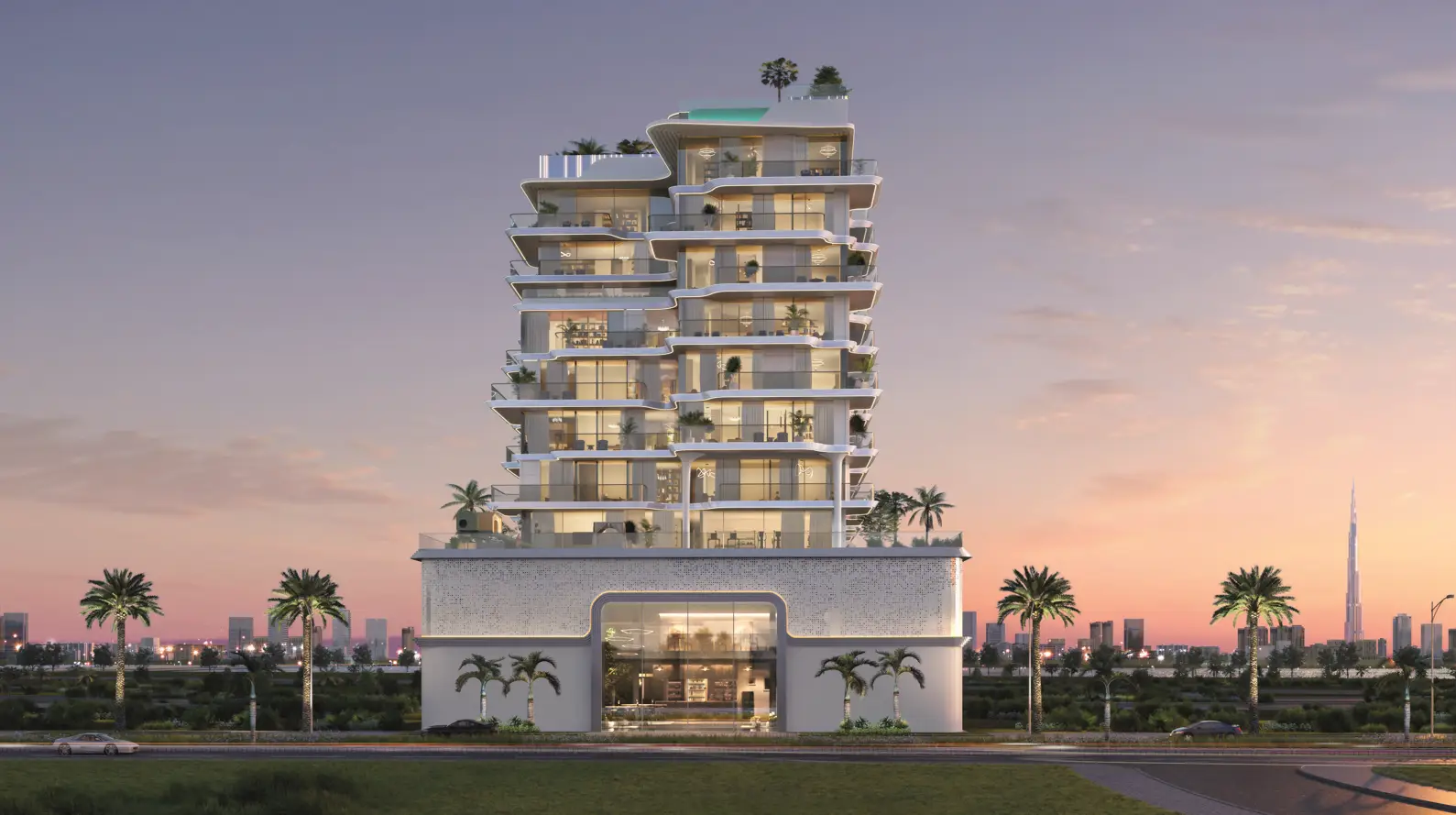
The official RA1N project page identifies the building in JVC, lists one- and two-bedroom homes and labels its completion status as completed. That is a dated developer statement, not an independent inspection by PGI. A buyer can use it to request a visit and examine delivered work instead of relying entirely on renderings.
During a visit, follow the experience of a resident. Enter from the car park, try the access system and lifts, and inspect corridors and shared spaces. Look at how doors close, how finishes meet and whether fixtures function properly. Ask which amenities are currently available and how they are maintained. A list on a website is less useful than seeing the relevant facility in operation.
For a resale apartment, inspect that unit separately. A well-presented show home says little about an occupied property’s repairs or alterations. Ask for its defect history, maintenance records where available and the scope of any remaining warranties. These practical observations can inform the next project you review, without becoming a guarantee that future construction will be identical.

Read apartment features as a schedule of deliverables
Smart-home systems, furnished interiors and extensive amenities can influence a purchase, but their value depends on what is actually supplied. Request a room-by-room inventory and identify brands or model specifications where the contract provides them. Clarify which items are fixed, which are loose furniture and which are only shown for presentation.
For a smart-home package, ask who owns the account after handover, what functions work without an internet connection and how a failed component is replaced. A simple, supportable system may be more convenient than a sophisticated feature with unclear servicing. The same approach applies to appliances: check the included equipment, warranty provider and installation arrangements.
Review amenities from the perspective of your own use. A large facility list can be attractive, yet a buyer who travels frequently may value easy maintenance and straightforward access more. Request the estimated service-charge basis and investigate how the facilities will be managed. Building-wide benefits are shared amenities, not private features of your apartment.
Two buyers can reasonably choose different projects
Imagine one buyer needs a home for an upcoming school year and another can wait for a later handover. The first might prioritise an inspectable, vacant unit with a workable daily route. The second may be willing to assess construction risk in exchange for a particular layout and payment schedule. Neither should choose from a brand ranking alone.
For a landlord, the question changes again. Examine homes tenants can rent at a comparable budget, record their furnishing and condition, and build a costed operating model. Projected rent should have a clear source and date. A branded design or launch sell-out does not establish the future occupancy of the apartment you buy.
Five items to put on the table before reservation
First, identify the exact unit with its number, floor, dimensions and parking entitlement. Second, obtain the full cash schedule, including the large payments that fall after booking. Third, review the agreement’s completion, default and assignment provisions. Fourth, establish the current project position through official records. Fifth, compare at least one realistic alternative outside the developer’s own portfolio.
The DLD project enquiry is a relevant starting point for Dubai construction information. Preserve the result date and ask for an explanation when documents use different legal and marketing names. Payments and agreements should consistently identify the project and contracting entity.
A useful PGI comparison should end with the differences that matter to you: moving date, usable space, daily access, total cost and outstanding questions. Object 1’s catalogue can supply candidates. The final choice deserves the same inspection and document discipline you would apply to any substantial property purchase.

How should you use owner reviews?
Use a review to identify a question you can check. Record the project, the review date and whether the writer describes a reservation, a handover or living in the building. A buyer who has only reserved cannot describe years of maintenance experience. An anonymous positive or negative comment is not enough to establish a company-wide pattern. Seek relevant documents and direct inspection rather than repeating allegations or assigning an unsupported star rating.
What would make this particular offer worth considering?
Look for a documented fit between the apartment and your requirements: an acceptable inspection or construction position, understandable contractual obligations, a fundable payment schedule and a competitive comparison with similar homes. If the handover assumptions, payment instructions or included specifications remain unclear, resolve those points before committing. Missing information is a reason for another check, not proof of wrongdoing.
For a comparison across companies, use our developer comparison guide. To assess an actual purchase, ask PGI to compare the specific project and apartment. Share the project name, budget and intended moving or investment horizon; avoid sending personal financial documents in an initial enquiry.