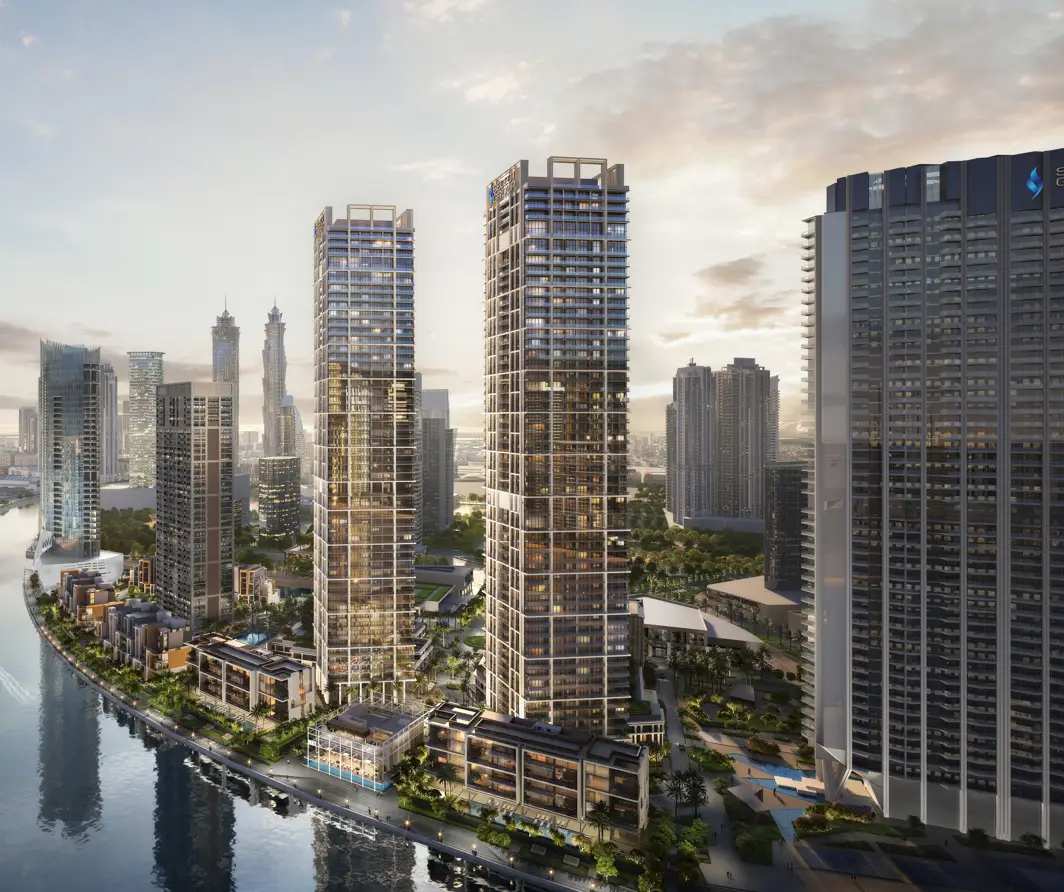
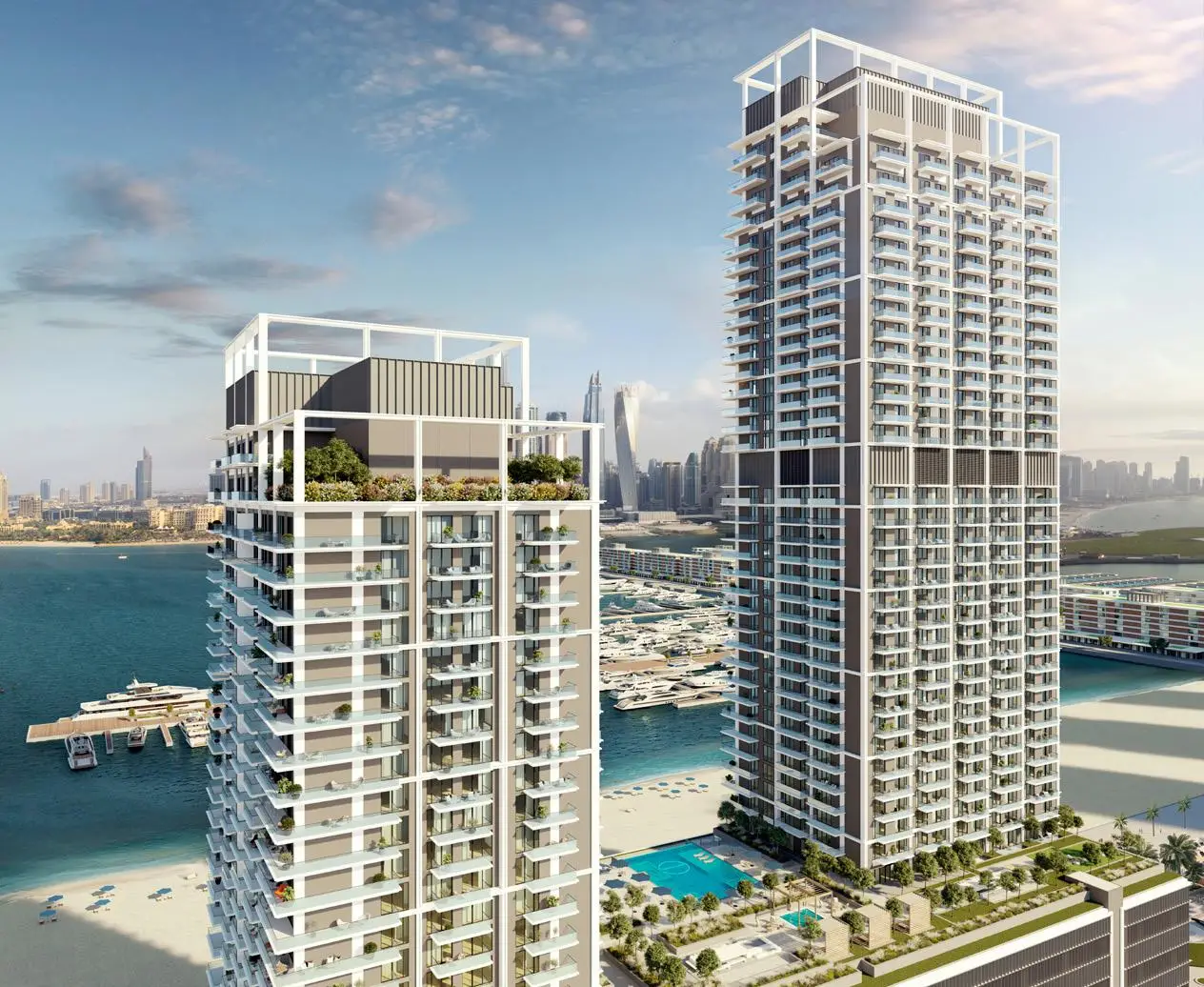
A waterfront shortlist becomes useful when each address represents a particular way of living, rather than another photograph of water. The four guides collected here cover Dubai Marina, Business Bay, JLT and Emaar Beachfront. Read them to decide which questions deserve a site visit, then compare actual apartments. A marina outlook, a canal setting, a lake-facing room and access to a beach are different propositions. Neither the district name nor the view description establishes the rights, condition or convenience of a particular home.
Identify what you want from the water
Some buyers want a view from their main seat in the living room. Others want somewhere to walk after work, or a beach they can use regularly. Write the activity beside the preference. If the attraction is the outlook, specify the room and viewing position. If it is outdoor access, identify the entrance, destination and permitted route. This keeps a photograph of a nearby waterfront from answering a different question about your own apartment.
Begin with the Dubai Marina guide when your comparison centres on tower position and everyday access around a marina setting. Use the Business Bay guide to examine canal position together with building access and ownership costs. These are reading starting points, not a claim that every apartment has a water view. Record the exact tower and unit reference as soon as an option moves onto your shortlist.

Connect the apartment to the route outside
A district map usually starts too late in the journey. Your routine begins at the apartment door and includes the lift, lobby, exit and any crossing before reaching the waterfront or transport. Walk the route you would actually use during an authorised visit. Notice whether it remains practical with shopping or a pushchair, and whether the return journey uses the same entrance. A route that appears continuous on a map may involve a different building exit from the one shown during a viewing.
For public transport, consult the RTA journey planner with your own origin, destination and intended travel time. Treat the result as a planning aid, then check the first and last part of the journey on site. Do not replace this exercise with a district-wide travel-time estimate. If you expect to drive, ask to see the parking route and understand how visitors and deliveries enter. Different transport habits can reverse the order of an otherwise similar shortlist.
Separate an outlook from permission to use a facility
The Emaar Beachfront guide helps organise questions about beach access, the selected tower and the responsibilities attached to ownership. Before giving access a value in your decision, request the current arrangements for the exact property. Clarify who may use the facility, any relevant visitor conditions and where the rules are recorded. A marketing image is useful for identifying a question; it is not the document that resolves it.
The JLT guide shifts the comparison towards the tower and cluster. Do not treat a lake setting as equivalent to beach access or assume that neighbouring buildings share the same resident facilities. Keep three separate notes: what can be seen from the apartment, what can be reached using an ordinary permitted route, and what requires a particular entitlement. That distinction also helps when two listings use the same broad description but offer different practical experiences.

Compare the tower as carefully as the address
Bring the same questions to each building: how you enter, where the allocated parking sits, how common areas are maintained and which costs belong to the unit. Ask for current property-specific information, not an average for the whole district. A view premium should remain visible as a trade-off against usable indoor space and ongoing expenditure. Keep any proposed purchase price separate from the amount you expect to spend preparing and maintaining the home.
Use your viewing notes to distinguish an attractive scene from a comfortable room. Check the view from normal furniture positions, the privacy of neighbouring windows and the practical use of the balcony. Observe sound with the room used as intended. If one apartment needs a follow-up visit at a different time, leave that question open. Do not give it a confident score merely because the rest of the presentation was persuasive.
Finish with a short comparison that someone else can follow
For each candidate, record one reason to keep it, one compromise and the evidence needed next. A useful reason might concern a verified route or a layout that suits your routine; “waterfront lifestyle” alone is too vague to guide the next viewing. Keep the date of each observation and identify information supplied by an agent or building manager separately from what you saw. The purpose is a manageable decision record, not a ranking of entire neighbourhoods.
Read the detailed area guide for the strongest candidates before arranging another visit. Share the exact building names, your intended use of the waterfront, travel needs and unresolved access questions through the existing PGI contact page. This gives the adviser a concrete comparison to investigate. It does not establish availability or guarantee that a preferred view, facility or access arrangement will be included in any property offered later.