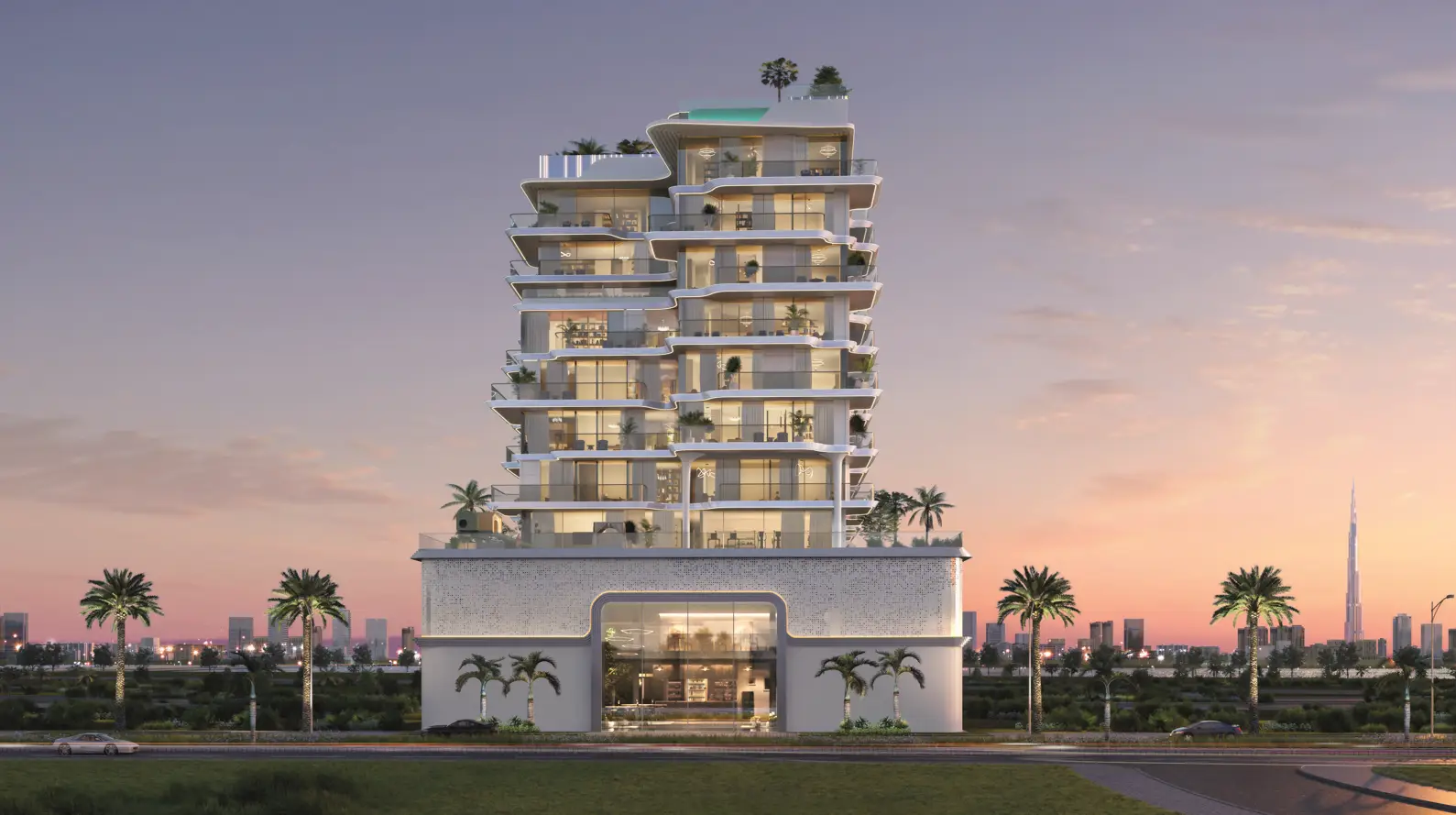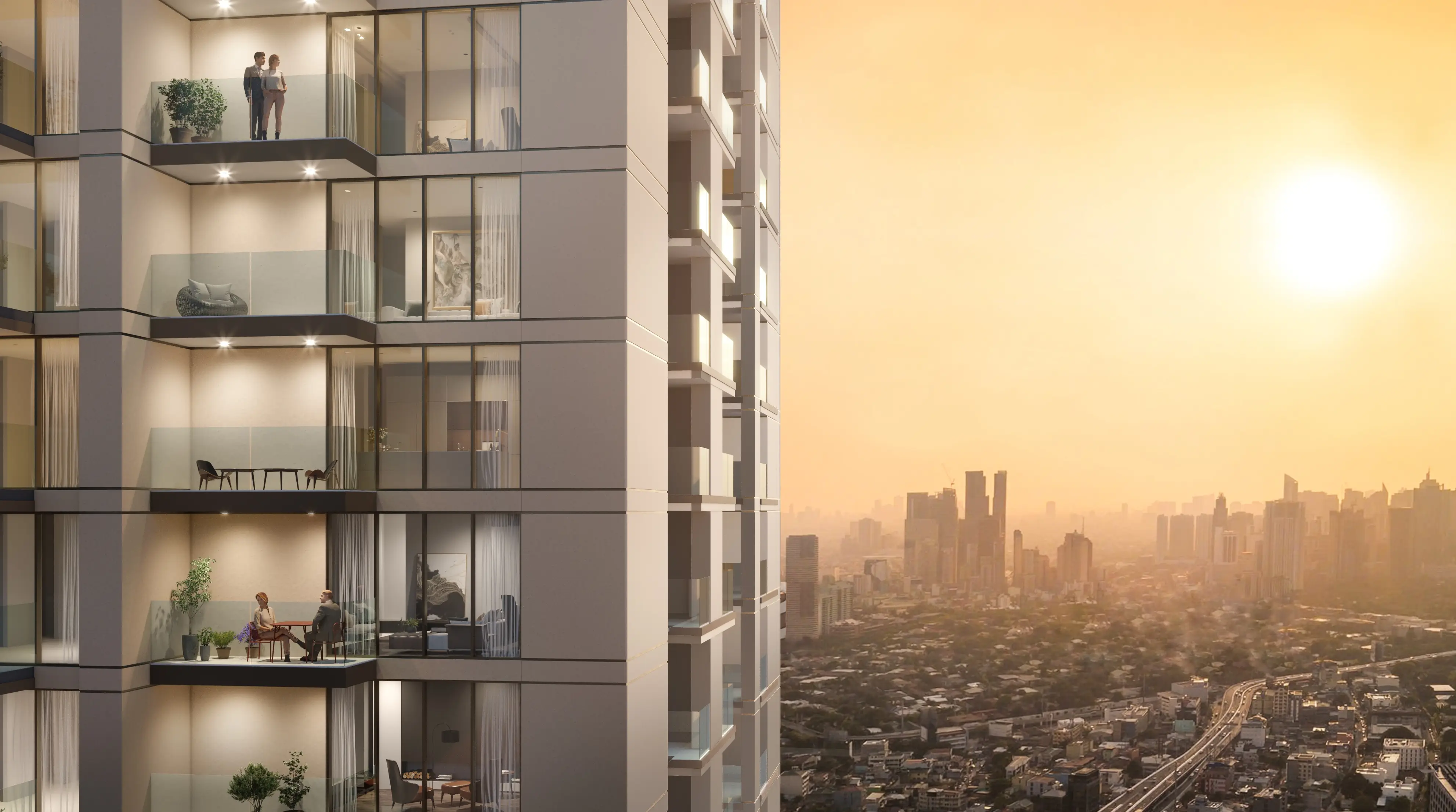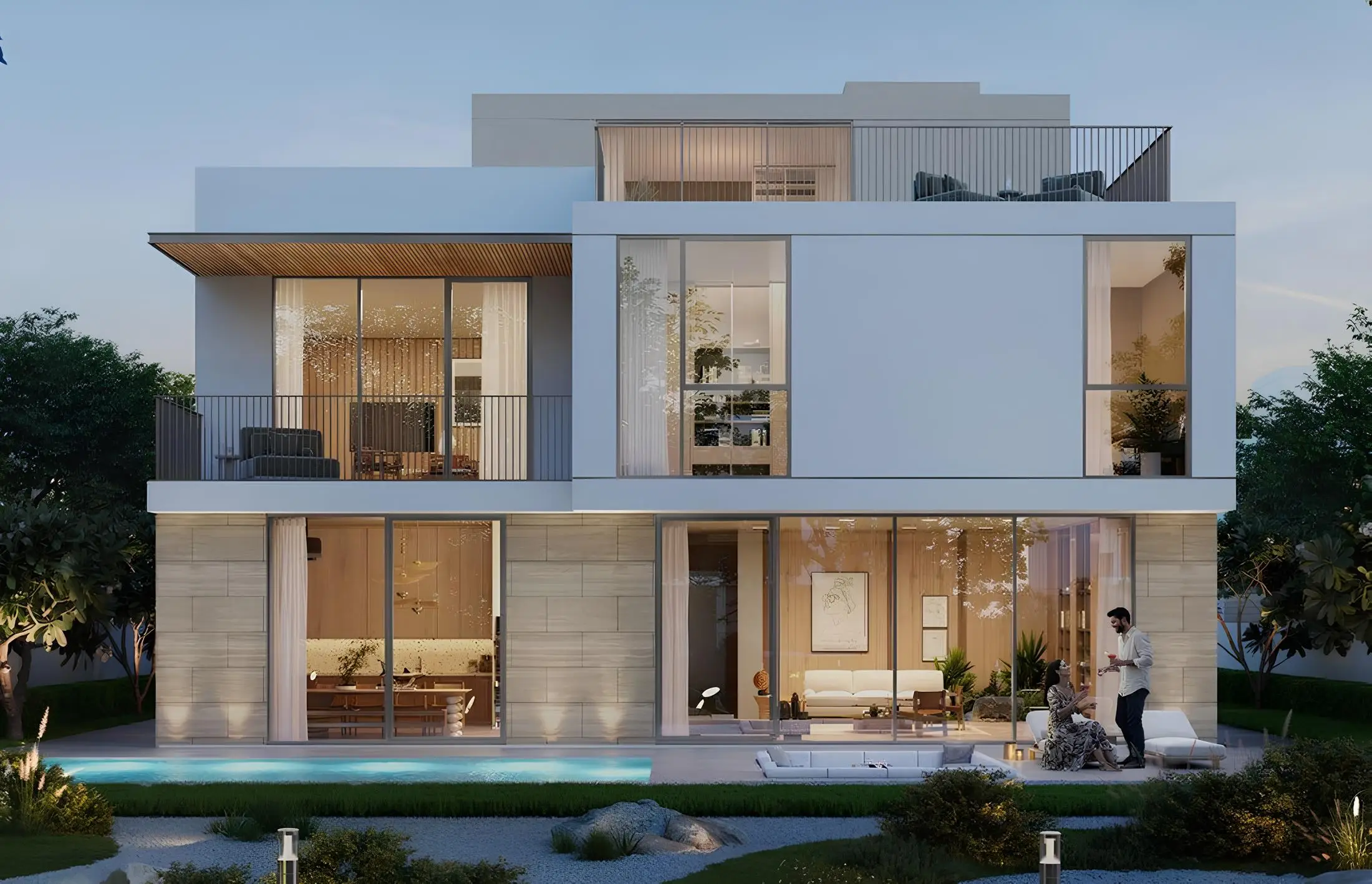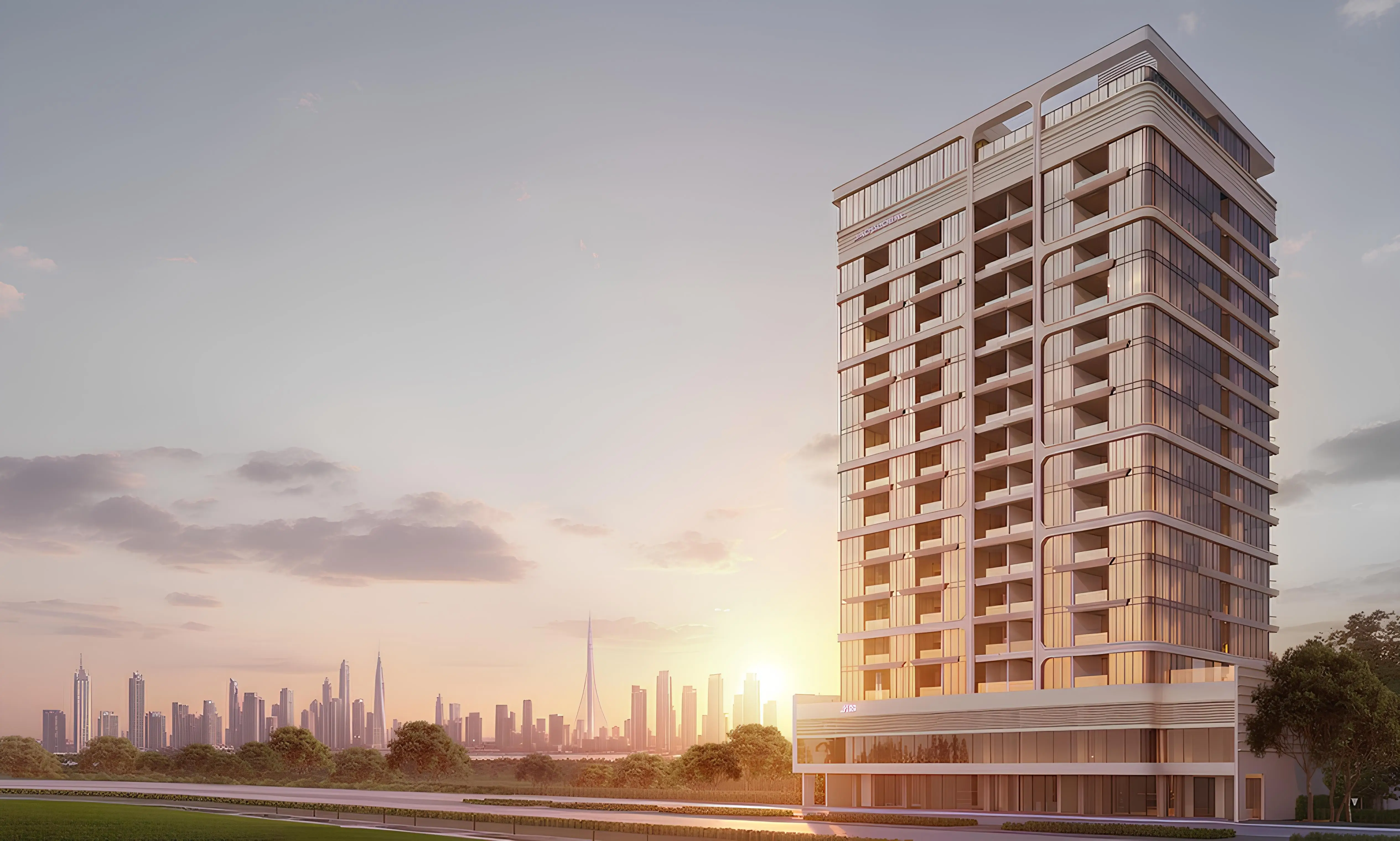
JAD Global’s portfolio gives buyers several different Dubai addresses to investigate. The company lists J188, JAD 288, 171 Garden Heights and Wadi 645 on its official website. A developer review is most useful when it separates those projects and examines the particular home being offered. A company name, a wellness theme or a launch announcement cannot tell you whether a specific floor plan, price or payment timetable fits your needs.
Use this review as a framework for organising that decision. It describes the portfolio identified by the developer and the evidence a buyer should request. It does not award an investment rating, confirm available inventory or treat a projected handover as a completed building. Obtain current documents for the exact project and sales phase before comparing terms.
Start with the portfolio the company publishes
The official JAD Global portfolio identifies J188 in Al Jaddaf and presents JAD 288, 171 Garden Heights and Wadi 645 as separate developments. Its website uses sales-status labels, which can change as inventory changes. A sold-out label describes sales; it should not be read as evidence that construction and handover have finished.
The developer’s 14 January 2026 announcement records J188’s launch and describes JAD 288 as a three-building project in Jumeirah Garden City. These are dated company announcements. They establish the relationship between developer and project, while the latest construction position needs its own evidence.
J188: translate wellness language into specifications
J188’s marketing places wellbeing at the centre of its design. For a buyer, the practical task is to identify the systems, materials and spaces that support the claim. Ask which features appear in the signed specification, which are optional and which belong only to shared amenities. A concept such as improved comfort becomes useful when you can identify the relevant glazing, ventilation or acoustic treatment.
Request the unit plan with room dimensions and inspect how furniture would fit. Consider a bedroom’s relationship to the living room, circulation space and any balcony. If light or quiet is important, ask about orientation and surrounding plots. A development-level design philosophy does not establish the outlook or acoustic performance of every apartment.
JAD 288 and 171 Garden Heights: compare the actual unit
When reviewing different projects in Jumeirah Garden City, prepare a consistent comparison of internal area, balcony, parking, furnishing and the payment dates. Do not compare a launch price for one layout with a later release of a larger unit elsewhere. The difference may be explained by the product rather than the developer’s pricing policy.
For any resale proposal, ask who owns the contractual rights and what needs to happen before a transfer can proceed. A statement that the developer has sold out does not show whether an individual resale is available or authorised. Keep the seller’s documents, transfer conditions and final cost breakdown together so that the transaction route is clear.

Wadi 645: establish location and readiness separately
Wadi 645 should have its own project file rather than inheriting assumptions from J188 or JAD 288. Obtain the exact site pin, registration details and current construction information. If the home is presented as near completion, ask what remains between today’s position and an occupiable apartment, including inspection, common facilities and utility activation.
Visit the surrounding streets if possible. A buyer moving into the home needs a workable routine; a landlord needs to understand what a resident would experience. Check entrance access, local shopping and the transport route relevant to the intended occupant. Do not use a travel time published for a different JAD project.
Build a delivery record from completed evidence
Ask the developer to identify buildings that have actually been handed over and the dates when this happened. Where access is available, visit a finished unit and common areas. The inspection should look beyond a polished reception: try lifts, inspect corridors, ask how defects were recorded and consider what maintenance will be needed over time.
Company history, leadership experience and earlier group activities can add context, but they are different from this legal developer’s own delivered projects. Record those categories separately. A contractor appointment is evidence of a project milestone, while an occupied building offers a different type of evidence. Neither should be used as a promise about future resale values.
Connect payment obligations to the contract
Put the reservation payment, later instalments and handover balance on a dated cash schedule. Add purchase charges, professional review and any furnishing requirement. Ask what happens if your financing arrives later than expected or a resale cannot be completed. A small first payment is useful only if the full commitment remains manageable.
Use the DLD Project Status Enquiry alongside the contract review. Check the legal project identity and relevant payment instructions through authenticated channels. Keep any promised specification or concession in the signed paperwork; a presentation slide is not a substitute.
What to request before a second meeting
A productive next conversation should have a specific unit number, dated availability sheet, floor plan, draft agreement and written cost schedule. Add the source and date of the construction update. If a rental projection is offered, request the comparable homes and the deductions behind it, including vacancy and building charges.
PGI can help arrange those comparisons around your budget and intended use. The decision should emerge from a particular apartment and a clear set of obligations, rather than a broad verdict that every development under one brand is equally suitable.