










Give your search a clear purchase brief
Before comparing listings, write down what the purchase needs to achieve. A home you will occupy, an apartment intended for tenants and a property you expect to use occasionally can lead to different shortlists. Include your preferred location, the people who will use the space, your timing and the amount you can commit. Explain which points are essential and which you could reconsider. A clear brief makes it easier to assess a proposal without letting an attractive photograph replace a practical requirement.
Keep the purchase decision separate from assumptions about what may happen later. A proposed letting strategy, future resale or residency application needs its own assessment. This category helps you organize the acquisition itself: choosing an offer, understanding the cash commitment, checking the documents and planning completion. For the wider evaluation of ownership and investment, follow the Investor Guide rather than treating a purchase checklist as evidence of future performance.
Choose the emirate before the procedure
The UAE is the starting point for browsing this section, but the property’s actual location matters when you investigate a transaction. Keep the emirate, district, project, building and unit identifiable in your notes. A shared community name or a brochure headline is not enough to connect an offer to its supporting records. When you move between locations, revisit the questions that depend on the place and the property instead of carrying every conclusion from your previous shortlist into the next one.
The published Dubai buying section contains Dubai-specific articles. Its references to local services are examples for that emirate, not a nationwide procedure. Start with the relevant published geographic guide, then confirm the responsible authority and requirements for your own transaction. If your search takes you elsewhere in the UAE, explain that location when requesting advice so that a familiar Dubai document name is not mistaken for the answer to a different purchase.

Dubai project-catalogue illustration. It does not identify the condition, included fittings or availability of an offered unit.
Build a budget around dates as well as totals
An asking price is a useful starting figure, but it is not a complete cash plan. Record the proposed purchase payments, separately identified transaction costs, financing costs where relevant and the amount needed to prepare the property for its intended use. Put an expected date beside each item. This lets you distinguish the money required to secure an offer from the money needed to complete and start using the property. Ask for an explanation when a quotation combines several purposes into one amount.
For a Dubai offer, the payment-plan comparison explains how to examine the actual commitment rather than the instalment headline. If borrowing is part of the plan, read the mortgage preparation checklist before you let an assumed loan amount determine your shortlist. Keep a lender’s conditions, a developer’s schedule and your own available cash distinct. They answer different questions even when all three appear in the same sales discussion.
Match the offer to the time you have
Write down when you need the property, when you can inspect it and when you can arrange funds and documents. Then compare those needs with the proposed transaction. A completed apartment, a property still under construction and a home occupied by a tenant raise different practical questions. Do not let the same bedroom count make their timelines look interchangeable. Ask what can be checked now, what depends on another party and what remains to be confirmed closer to completion or possession.
Use the ready versus off-plan comparison for a Dubai shortlist. If the offered property has a tenant, the tenanted-property checklist helps you organize the lease and possession questions. Neither article establishes the status of a particular offer. Apply its questions to the actual unit and keep written answers with the documents you relied on. A general explanation should guide the enquiry, not stand in for the missing evidence.

Catalogue image used to illustrate property selection. The pictured project is not evidence that a particular offer has been checked or that financing is available.
Keep people, documents and payment records connected
Create a file for the selected property rather than storing every message as an unrelated attachment. Keep the unit reference, dated quotations, written conditions and the responsible contact beside each other. When something changes, note which earlier information it replaces. A corrected price, revised unit number or new payment instruction deserves a fresh comparison with the rest of the file. This is a working method for reducing confusion; it does not make an unverified instruction trustworthy simply because the paperwork is neatly arranged.
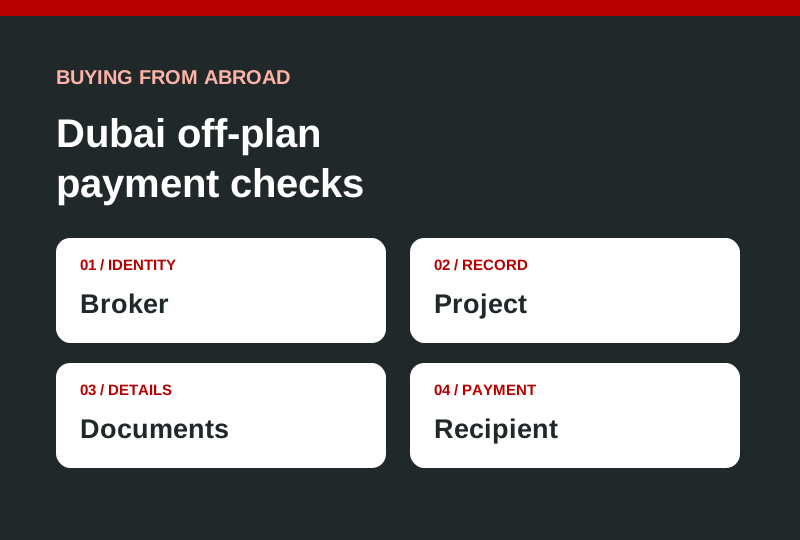
In Dubai, the official broker register is one route for checking the broker’s record. Sale registration is a separate subject: DLD’s initial-sale registration service concerns the provisional registration of off-plan sales. These references illustrate why identity, payment and registration should not be collapsed into a single check. The overseas payment checklist develops the Dubai example without turning it into a rule for every emirate.
Read for the next decision, then ask a precise question
You do not need to read every buying article before asking for help. Choose the topic that matches the unresolved point in your transaction. If an offer is not yet clear, start with the negotiation questions. If the property has been selected, move to the documents, payment or inspection article that fits the next step. Leave a note about what you have checked and what you still need. That distinction makes a conversation with an adviser more useful than sending a long list of general questions without the unit or transaction context.
When you speak to Property Gulf, share the emirate and area, the kind of property, your budget range and whether you are comparing offers or preparing to proceed. Add the question you want to resolve first. Keep sensitive purchase documents and payment credentials out of an initial public form. The conversation should begin with a clear brief and lead to the relevant next check, with the location and transaction type kept visible throughout.