Establish which Abu Dhabi location the offer actually describes
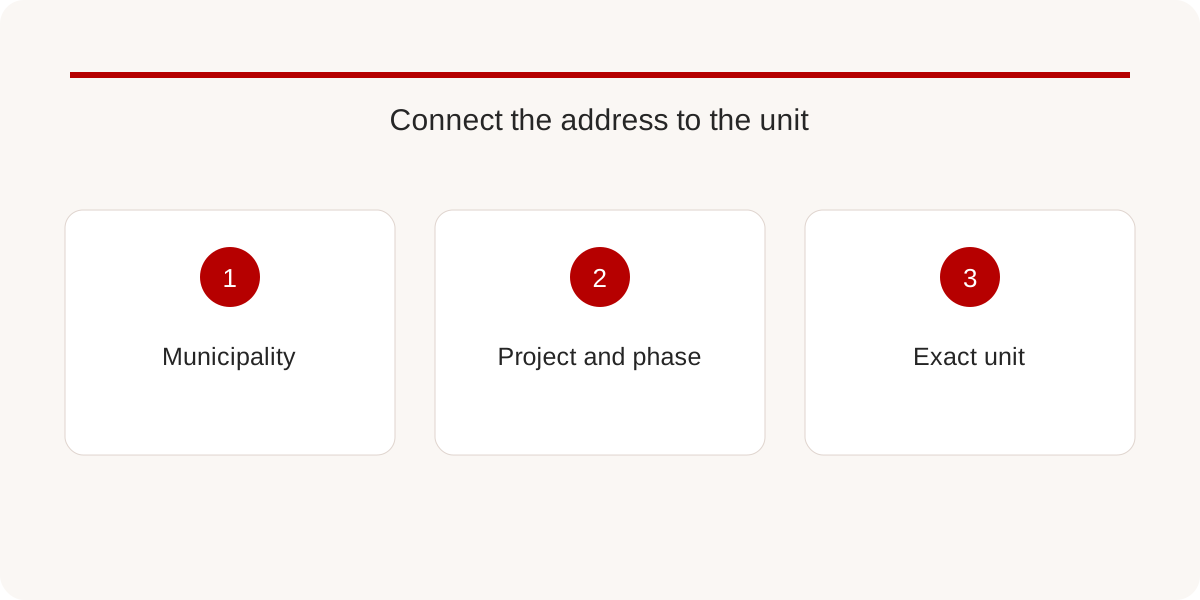
Abu Dhabi can mean the emirate or the city. That distinction matters when an advertisement, a market report and a property document use the same name at different scales. The ADREC directory allows searches by municipality, including Abu Dhabi, Al Ain City and Al Dhafra Region, alongside district, community and project fields. Use these identifiers to locate the offer precisely. A reference to the emirate alone does not establish the property's neighbourhood, its services or the evidence that would make a comparison meaningful.
Create a short address record before collecting brochures: municipality, district, community, project name, phase and building or plot number. Keep the seller's spelling alongside the official identifier if they differ. Then attach the unit number and the floor plan to this record. This prevents a common comparison error: studying a completed part of a large development while pricing a unit in another phase. Facilities, access and occupation dates should follow the selected property through the investigation; they should not migrate from whichever brochure has the most attractive photographs.
Use local project records before interpreting construction claims
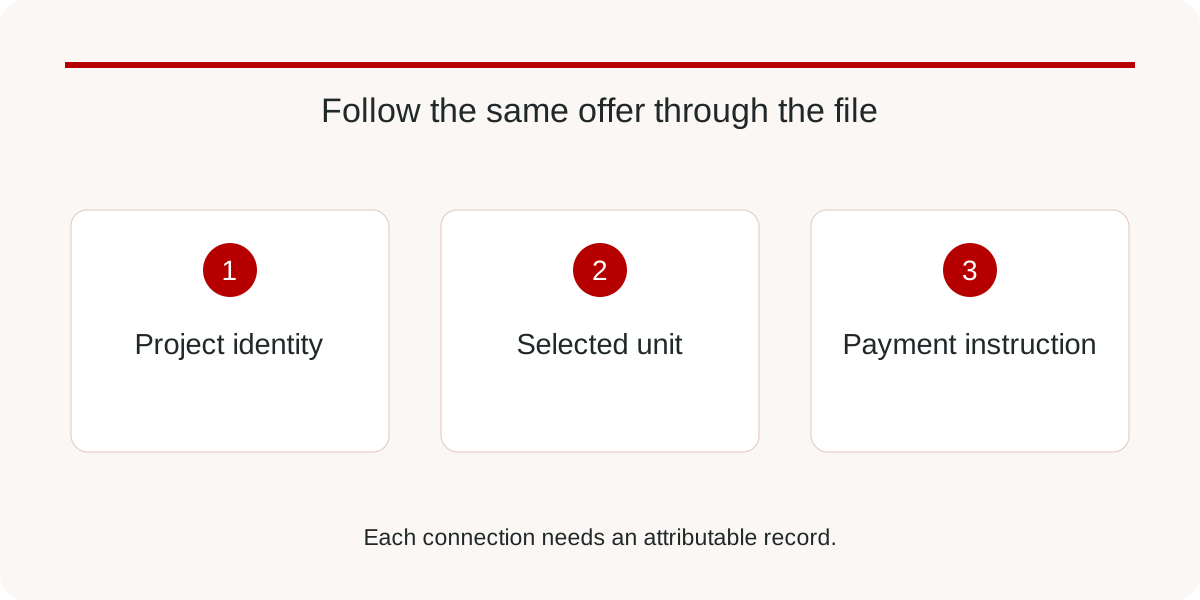
First identify the property's jurisdiction: ADGM's real estate framework covers Al Maryah and Al Reem islands, so the ADREC route below is not a universal route for Abu Dhabi. For projects within ADREC's remit, ADREC's published FAQs direct buyers to DARI for registered project escrow details and completion rates. This gives an off-plan buyer a specific verification route rather than another promotional description. Match the project identity first, then record what was checked and when. A construction percentage describes progress at the date of the record; it does not, by itself, settle the date when your particular building, utilities, access and home will be ready for occupation. Put the contractual delivery terms beside the dated project evidence.
If a salesperson sends payment instructions, compare them with the transaction documents and the relevant official project information before transferring funds. A familiar development name is insufficient to identify the beneficiary. Ask for clarification when the project, phase or payee differs, and retain the written answer with the purchase file. For a completed resale, the task changes: establish the seller's authority, the title or other recorded right, any relevant encumbrances and the process for completing the transfer. An old construction update cannot replace these resale checks.
Choose the intended use before choosing the specification
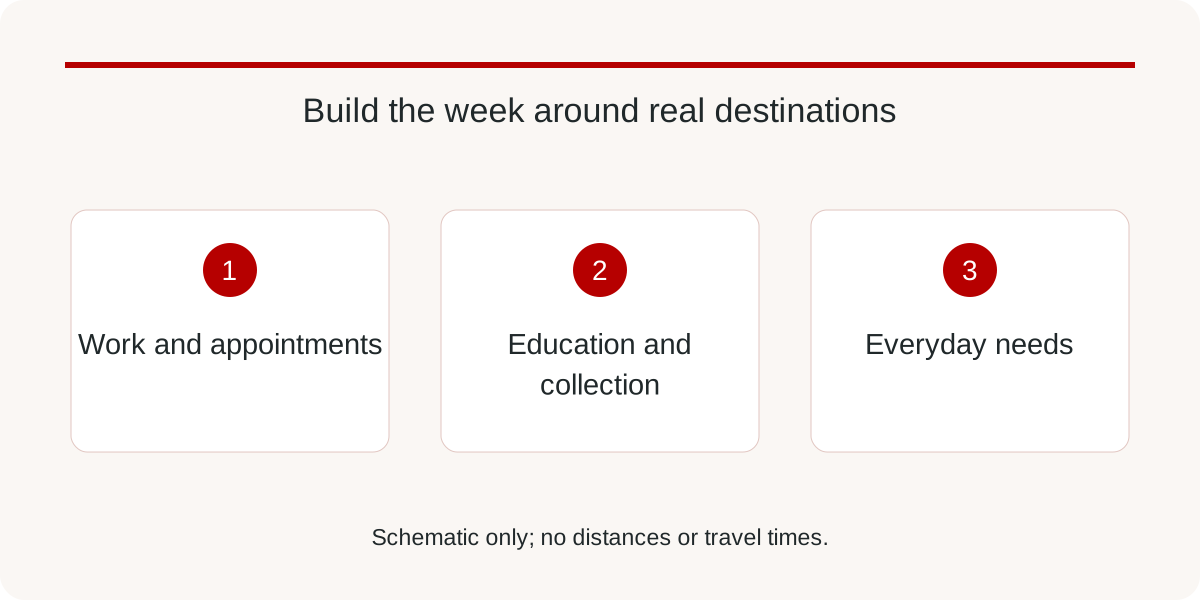
For a home you will occupy, start with the people who will use it. Their work locations, school requirements, mobility, parking needs and tolerance for surrounding construction shape the shortlist. Test the actual journey from the proposed entrance at a relevant time, rather than borrowing a travel estimate from another building. Treat a nearby school as a possibility to investigate: admissions, curriculum, transport and cost still need their own answers. A location can be attractive while failing one requirement that is decisive for your household.
A rental purchase needs a different explanation. Identify the sort of household or occupier the layout could serve, then test that idea against competing homes and actual operating conditions. Bedrooms alone do not describe usability: storage, bathroom access, furnishing, maintenance and parking can affect whether the home suits the intended occupier. Do not convert a one-bedroom description into a promise of a separate living room unless the plan supports it. Buying a home you personally enjoy and buying an asset to let may lead to the same unit, but they require separate reasons.
Build an Abu Dhabi operating file, not just a purchase budget
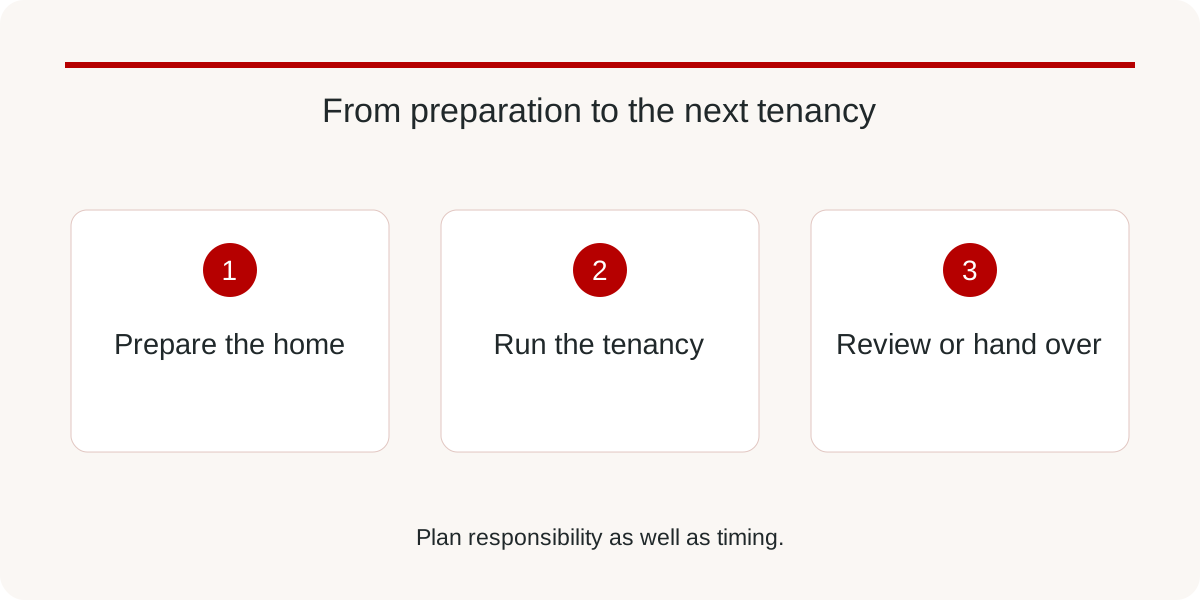
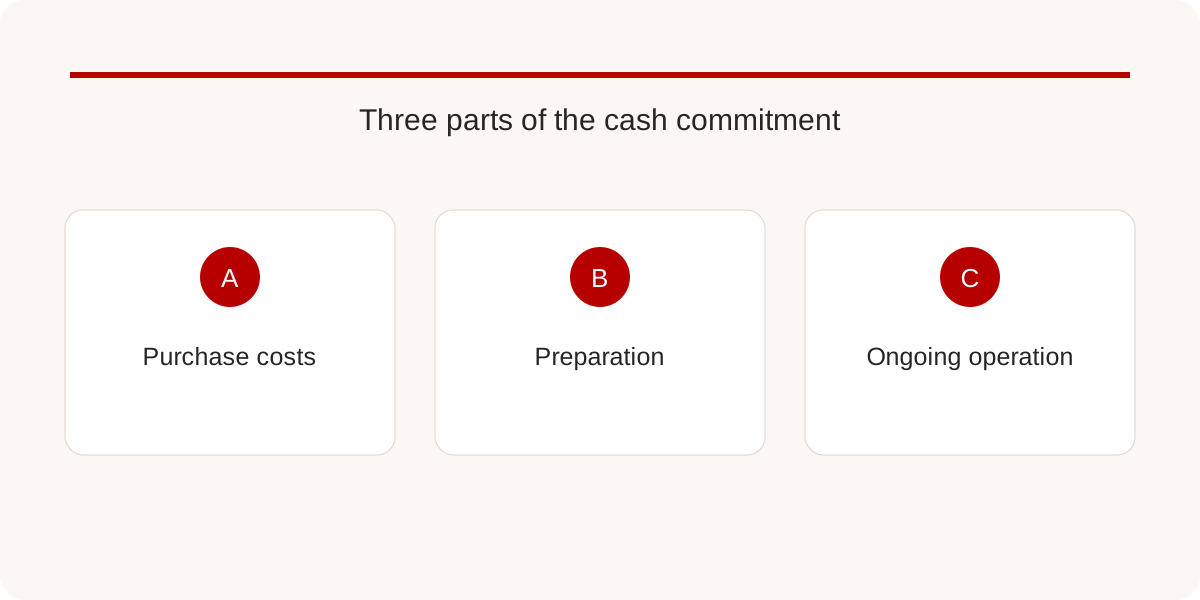
Ask for the charges and responsibilities that belong to the selected building or community. Request the available service-charge information, maintenance arrangements, insurance requirements and utility setup details, then identify which costs fall to the owner under the applicable documents. Put dated written estimates beside confirmed amounts. A payment plan describes when purchase money is due; it does not show the cash needed to prepare, maintain and manage a home. Include a reserve for work identified by inspection instead of treating the advertised price as the final amount invested.
If you will manage the property from overseas, establish who can inspect it, arrange authorised repairs and report expenditure. Agree how invoices will be approved and how keys and access will be controlled. Ask the proposed manager to distinguish their own fee from third-party charges. Before assuming any letting arrangement is permitted, confirm the relevant local requirements and the property's rules for that use. Instructions written for Dubai should not be treated as Abu Dhabi procedures simply because both properties are in the UAE. Link each required action to the responsible local service or professional.
Compare evidence with the same boundary and date
Market information is most useful when its scope survives the journey into your decision. An emirate-wide transaction total cannot establish the rent of one apartment, and a report covering several property uses cannot automatically describe the residential segment you are considering. Keep a note of geography, period, property type and transaction definition beside every figure you use. When those fields differ between two sources, explain the difference rather than producing a percentage comparison that looks precise but answers no consistent question.
The same discipline applies to the development around a property. Separate an operating service, construction under way and a future announcement. If a future connection or facility is central to the purchase case, record what the official evidence actually commits to and consider whether the home still works without it. This is especially useful when comparing a ready home with an off-plan alternative: they offer access to different periods of use. The relevant question is what you will pay, receive and need to manage during each period, not which image looks more complete.
Turn the shortlist into a decision that can be checked
Prepare a separate decision note for each serious candidate. State its exact identity, the intended use, the evidence supporting that use and the outstanding issue most likely to change your choice. Give each unresolved question an owner and a next action. For example, a project identification mismatch needs documentary clarification; a concern about household access needs a visit; an uncertain repair allowance needs an inspection or quotation. These are different tasks, and combining them under a vague request for more information makes follow-up harder.
Bring PGI the shortlisted property references, your intended use and the budget you want to preserve after completion. A useful consultation can then focus on comparable alternatives and the documents needed for the next decision. Keep any agreement conditional on the checks appropriate to the transaction, with professional advice where rights or contractual obligations require interpretation. The strongest shortlist is one in which each remaining home has a defensible purpose and a traceable record. A large collection of unconnected offers is less useful than a small set you can actually evaluate.
Official sources
- ADREC: project and professional directory — Checked 13 October 2026
- ADREC: official FAQs — Checked 13 October 2026
- ADGM real estate services and jurisdiction — Checked 13 October 2026