Begin with the purpose of the comparison
Write the decision at the top of your worksheet. You may be choosing between two homes, assessing an asking price, preparing a mortgage application or reviewing an eventual sale. The same information can contribute to several decisions, but the required conclusion differs. A price you are willing to pay for a preferred layout is not automatically the value a lender will accept, and a target resale price is not an offer from an identified buyer.
Describe the subject property before collecting examples. Include the actual property type, bedroom count, documented area and current stage, together with the location and any verified features that materially affect your comparison. Preserve uncertainty where a detail is missing. Calling two properties apartments does not make their layouts, condition or purchase terms equivalent. A precise subject description makes it easier to explain why some attractive-looking examples were excluded rather than selected to support a preferred answer.
Label the evidence before using the number
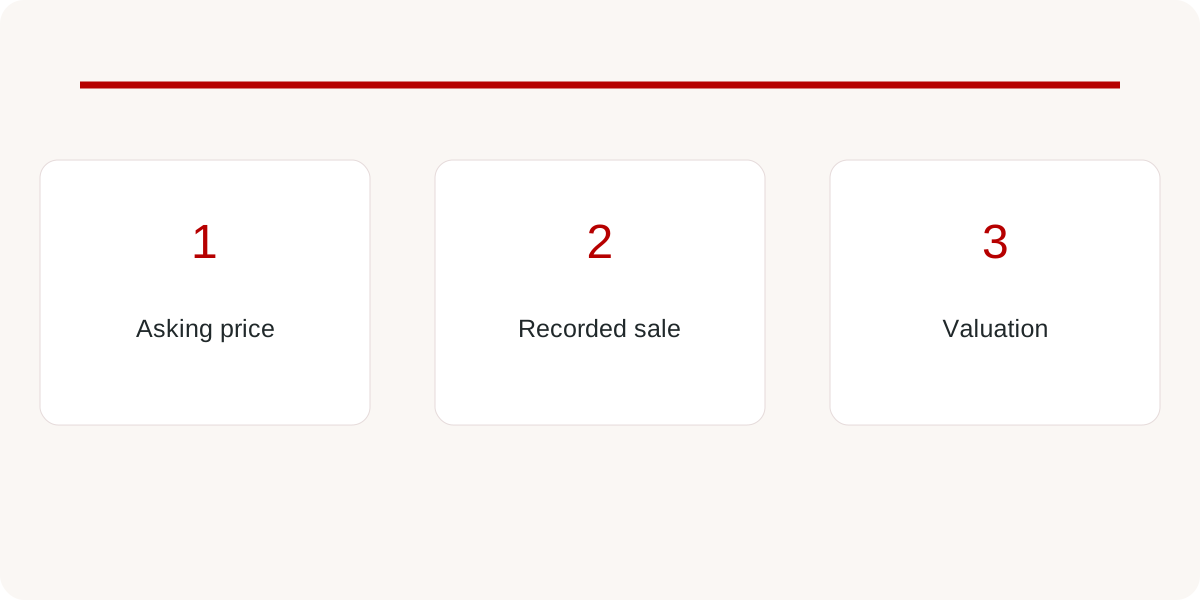
Separate asking prices from recorded transactions and from professional valuation opinions. Dubai Land Department's Real Estate Data page distinguishes transactions, rents and valuations, with separate fields and filters. Read the definition and scope of the information you actually obtain. A transaction category or area field matters to the comparison; a number copied without that context may not represent the type of sale or property you intended to study.
For every example, retain the source, relevant date and the characteristics that can genuinely be established. Do not fill missing details from a different advertisement simply because the descriptions look similar. Repeated listings may concern one property, so check for that possibility before treating them as independent evidence. If only asking prices are available, say so in your own analysis and keep the conclusion provisional. A collection of advertisements does not become completed-sale evidence through averaging.
Make the area comparison consistent
Use the same unit of measurement and the same definition of area before comparing price per unit of space. Check whether a figure relates to the whole property, a transaction interest or an area definition that includes different components. Balcony space, internal rooms and shared areas should not be casually combined or removed to make one offer appear better. If the underlying definition cannot be reconciled, mark the comparison as limited instead of disguising the difference with a precise ratio.
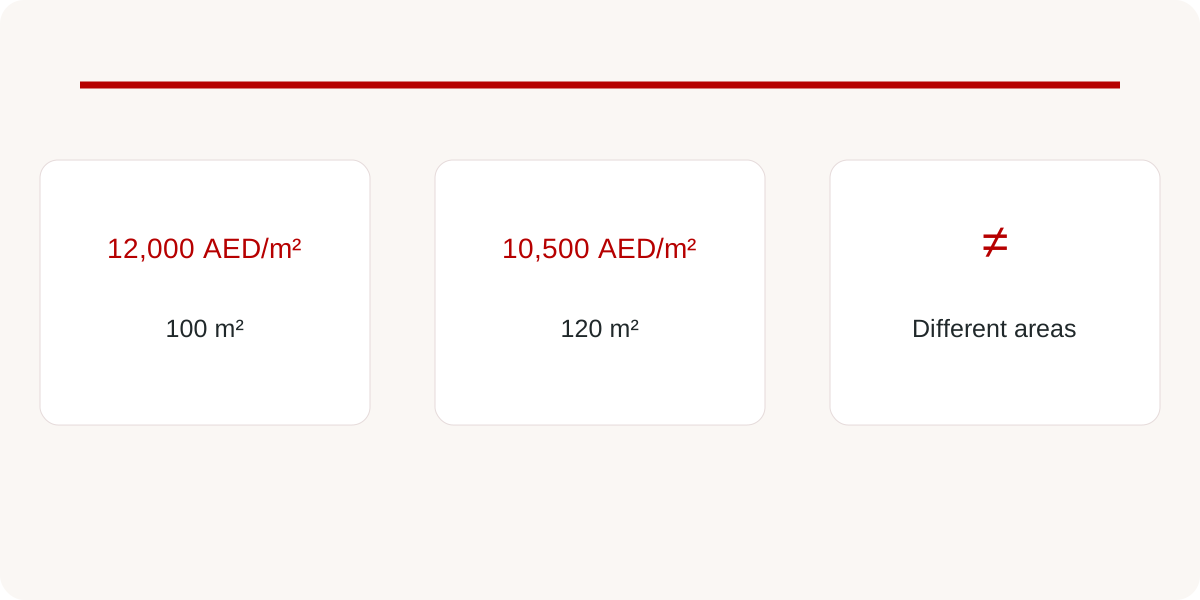
An illustrative example shows why the total price alone is insufficient: a property priced at AED 1,200,000 with an area of 100 square metres works out at AED 12,000 per square metre. Another priced at AED 1,260,000 over 120 square metres works out at AED 10,500 per square metre. These invented figures demonstrate arithmetic only. They establish neither value nor preference until the area definitions, condition, rights and other relevant differences have been examined.
| Example | Total price (AED) | Area (m²) | AED / m² |
|---|---|---|---|
| A | 1,200,000 | 100 | 12,000 |
| B | 1,260,000 | 120 | 10,500 |
Explain differences without inventing adjustments
Consider location within the development, layout, condition, occupancy and purchase terms where these are verified and relevant. Describe how each difference could affect your decision, then seek evidence before assigning it a monetary adjustment. A higher floor or different orientation does not justify adding an arbitrary percentage. Where reliable adjustment evidence is unavailable, compare a range of reasonably similar alternatives and explain which characteristics make them stronger or weaker reference points.
Dates deserve the same care. A recent comparable may still describe a different stage of development or payment structure. An older example may be useful historical context while carrying less weight for today's decision. Keep the observation date distinct from the date you downloaded the file. If the comparison relies heavily on a single unusual example, show the result with and without it. The aim is to expose sensitivity, not to remove inconvenient evidence until the preferred price appears.
Keep financing and personal affordability separate
A lender's valuation has a particular purpose within the financing process. Emirates NBD's home-loan key facts statement describes valuation as an independent assessment of market value; the individual loan's terms still need to be confirmed. Do not substitute a seller's price discussion for the bank's assessment or assume the loan amount follows automatically from either figure. Ask which documents and decisions are final, and which remain subject to further conditions.
Even a supportable property price can exceed your comfortable commitment. Calculate the money needed for the purchase and the reserve you intend to retain without using the valuation as permission to spend everything available. If a lower bank valuation changes financing, use the detailed cash-gap article below to rebuild the completion calculation. This chapter concerns the quality of the price evidence; that article addresses the separate question of how much cash the changed financing requires.
Write a conclusion that another reader can challenge
Summarise the selected evidence, exclusions and remaining uncertainties in plain language. Present a supported range where the evidence warrants one, without implying that a spreadsheet determines a guaranteed selling price. Note what new information would change the conclusion: a corrected area, better-matched transaction, inspection finding or different contractual term. This makes the review useful when another adviser examines it and helps you avoid repeating the entire exercise from memory.
For an investment decision, connect the price review to the area's evidence and the wider market indicators without letting broad statistics decide the value of the exact unit. The linked materials below address these separate layers. Preserve the original sources and calculations, then revisit them when the actual proposal changes. A comparison should help you negotiate, investigate or decline with reasons; it should not turn incomplete information into a promise of capital growth or an assured exit.
- Define the property and comparison purpose.
- Separate asking, transaction and valuation figures.
- Reconcile area definitions before calculating ratios.
- Retain exclusions and unresolved differences.
Sources and reference
- Dubai Land Department — Real Estate Data — Checked 13 October 2026
- Emirates NBD — Home Loan Key Facts Statement — Checked 13 October 2026