
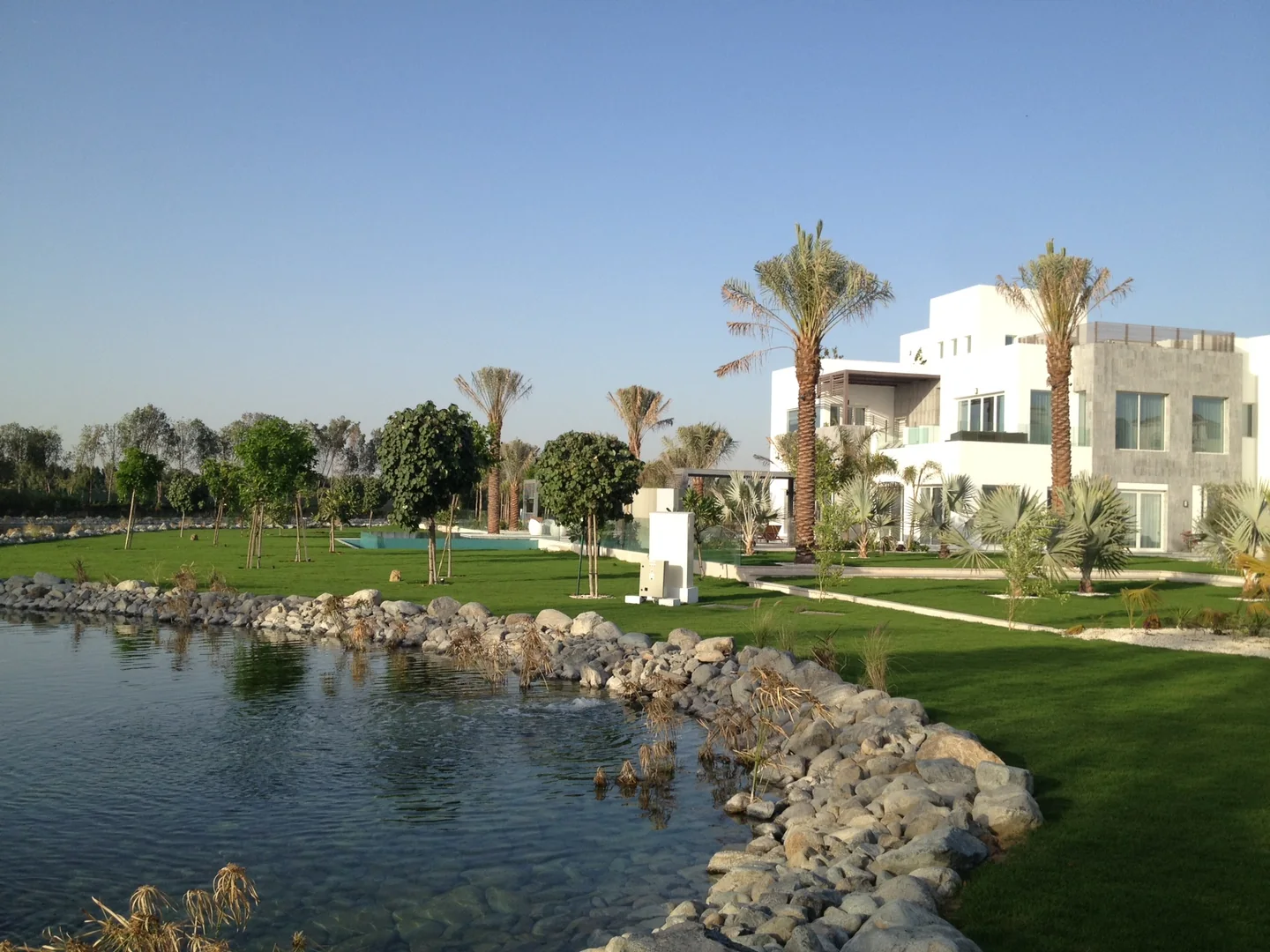
A villa listing can show a private garden without showing who can see it, when it is usable, or which part of it is screened. Before ranking villas by garden size, decide where you would sit, eat or play outside. Visit those positions in the actual home. Then check the direction of neighbouring windows, roads and walkways, and ask which screening and boundaries are documented for that exact property.
Open the Dubai property search and narrow it to villas. Save a site plan and ground-floor layout for each possible home. Pinpoint the outdoor seating area and the side entrances before viewing. This gives you the same questions for a corner plot, an internal plot and a home with green space or a road behind it.
Stand where you expect to spend time
Walk out of the room that leads to the garden as you would with a meal, child or guest. Stand at the likely table, sit at the height of an outdoor chair, and move to the path beside the house. A wall may screen somebody seated at the table while offering little screening to a person standing by a door. A hedge may close one long opening while leaving a gap where people pass through the side path.
Sketch the outside edge and note each direction with a view into it. Pay close attention to higher windows and terraces. The relevant question is whether the parts of the garden you use are exposed from common viewpoints, such as the street, a neighbouring upper floor or a shared footpath. Inspect from lawful public or shared access. You can assess sightlines from the viewing without entering another home or photographing its occupants.
Separate view, privacy and sound
A garden behind a green strip may feel open and bright, yet be visible from a busy walking route. A higher boundary may improve screening and have little effect on noise from a road. Treat these as separate observations. Record who can see the garden, what you see from it, and what you hear when sitting in your likely place. Check the main room with doors open and closed if you plan to use the outdoor area as an extension of the living space.
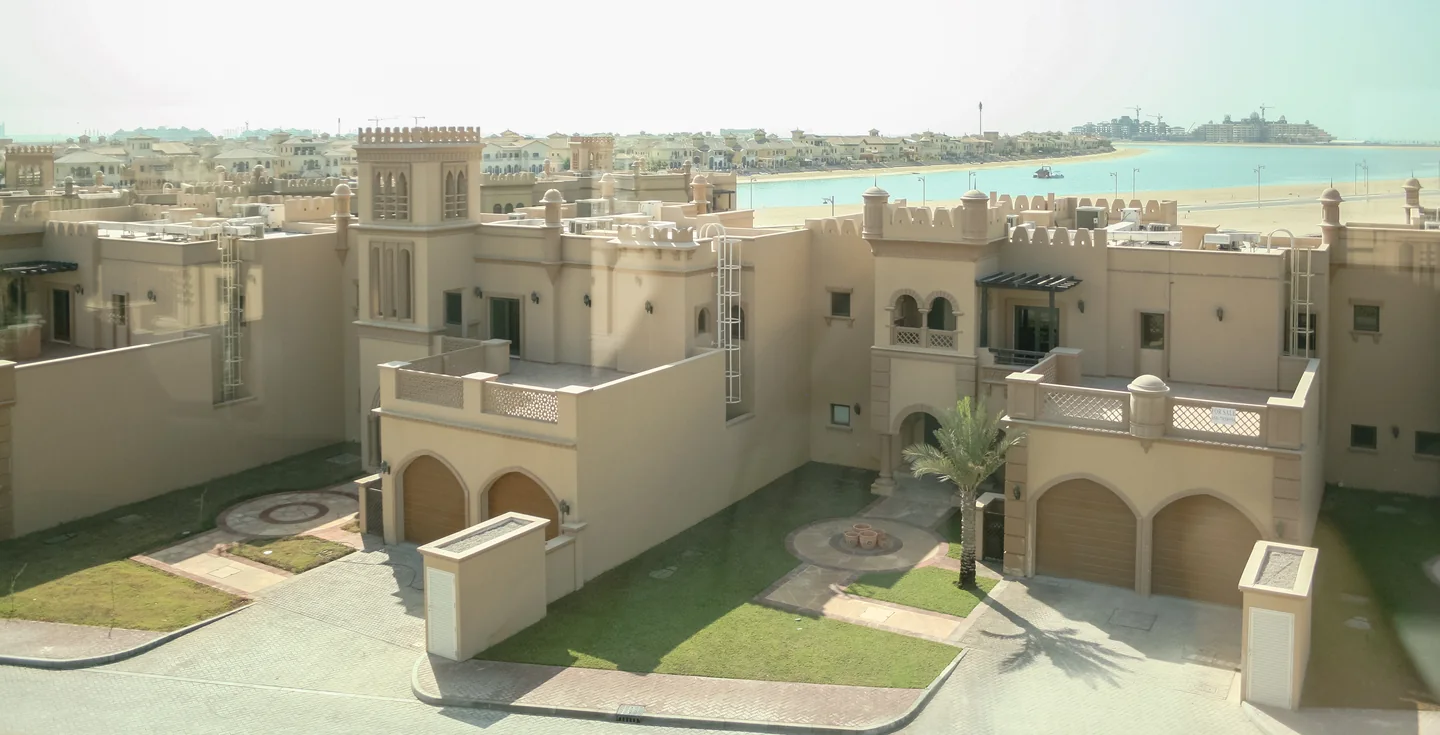
Visits reveal only the conditions at that time. If the first visit is early and quiet, arrange another visit near the hour you would normally eat outdoors. Look for ordinary patterns such as use of a nearby path or vehicle access to the next property. Take notes on ordinary use, the direction of direct sunlight and any uncertainty that another time of day could resolve.
Look at the plot, not the listing crop
Identify where the plot starts and ends on the current plan. Match the plan to the gate, paving, fence and planting you see. Ask which parts you are entitled to use and which form part of a shared or maintained area. The Dubai Land Department’s property-status enquiry and title deed verification can help identify and check the documented property. Confirm the boundary and use rights with the documents and professionals handling the particular sale.
A landscaped extension past an existing fence can make an outdoor space look larger on a visit. Decide based on what belongs to the villa and what is approved for the use you want. If you would need to move a fence, add a screen or rely on planting outside your own plot, ask what approvals and maintenance responsibilities would apply. Keep the proposal out of your price assumptions until you can confirm it.
Compare different exposures with the same questions
A hypothetical corner villa has a side garden beside an internal path. Its terrace faces a wall and is comfortably screened while seated, but the route to the garage is visible. A second villa has fewer passing pedestrians on the ground and an exposed view from a neighbouring upper level toward the table. A buyer who uses the terrace every evening may prefer the first. Another buyer may want an enclosed route into the house and weigh the same observations differently. Nothing in the example describes a current listing.
Before deciding, repeat each observation at the expected height and time of use. Leave the visit with four details you can put into a comparison. List the exact seating area, the direction of the main sightline, the part a resident can control, and the point that still needs evidence. A note such as “upper-level view toward the rear table, current shrubs screen only the path” gives an adviser a specific problem to help verify.
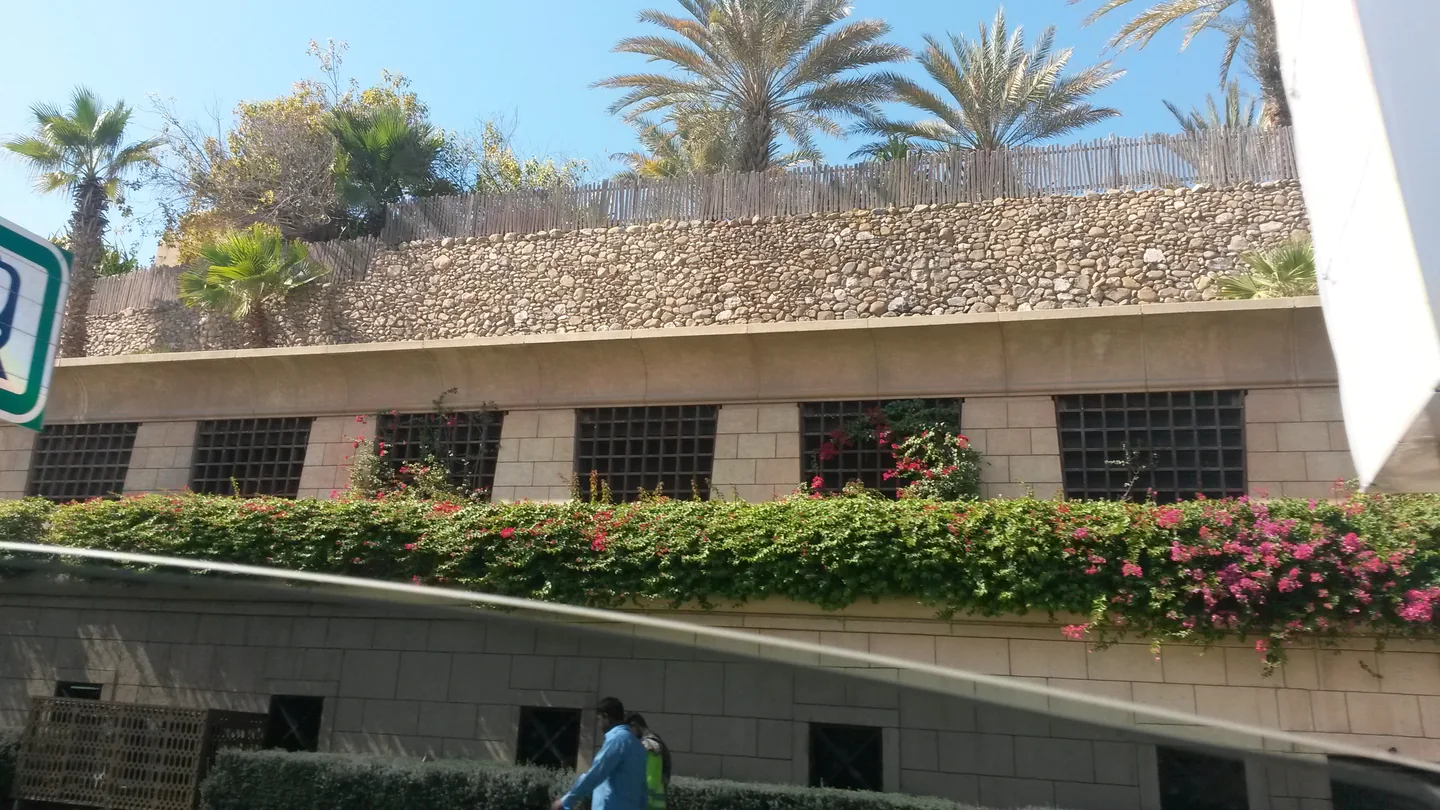
Plan a lawful viewing from more than one position
Ask for enough time to walk from the living room around the outdoor space. Start indoors and look toward the garden before going out. Some exposures chiefly affect a row of windows in the living room; others affect a seating corner that you could position differently. Follow the everyday path through the door, to the likely table or play area, then toward the side gate. If you will use a service entrance for deliveries or gardening, include that path separately. Each position can present its own angle of visibility.
Then step back to a permitted street or common path and look toward the boundary without photographing the neighbours or entering private space. Sometimes a wide, exposed entrance from the street opens into a well-screened rear terrace. In another home the street feels quiet but a pathway behind the plot leads directly toward the garden. Record the two observations separately. Street privacy, the path from a car to the front door, and privacy when using the garden serve different parts of the day.
Look up as well as sideways. A wall that screens the garden at ground level can leave an upper window or terrace with a sightline to the rear table. You can often identify the direction while standing in your own potential outdoor area. Where the view is ambiguous, note it as uncertain rather than making an assumption about a neighbour. During a later viewing, focus on whether the position you actually plan to use is visible and whether a practical seating position already offers the screening you need.
Record the condition and control of the existing screen
Separate permanent features shown on documents from features you can simply see today. A mature hedge can be important to your experience. Its value depends in part on where it is planted and who maintains it. Ask whether the fence, hedge or wall is within the plot, on its boundary, or outside it. If information comes from a conversation, record the statement and ask for supporting documentation before relying on it. A plan and a current observation complement each other. The plan helps show the property limits; the visit shows the actual passage of light and sight.
A position next to an outer edge deserves special attention because you may have more than one party to check with. A property can sit next to communal greenery, another plot or a strip of land that is not part of either private garden. Its current landscaping may block a view but say little about your ability to maintain that screen. For the places where screening makes the home usable to you, ask who is responsible for upkeep and what evidence supports that answer.
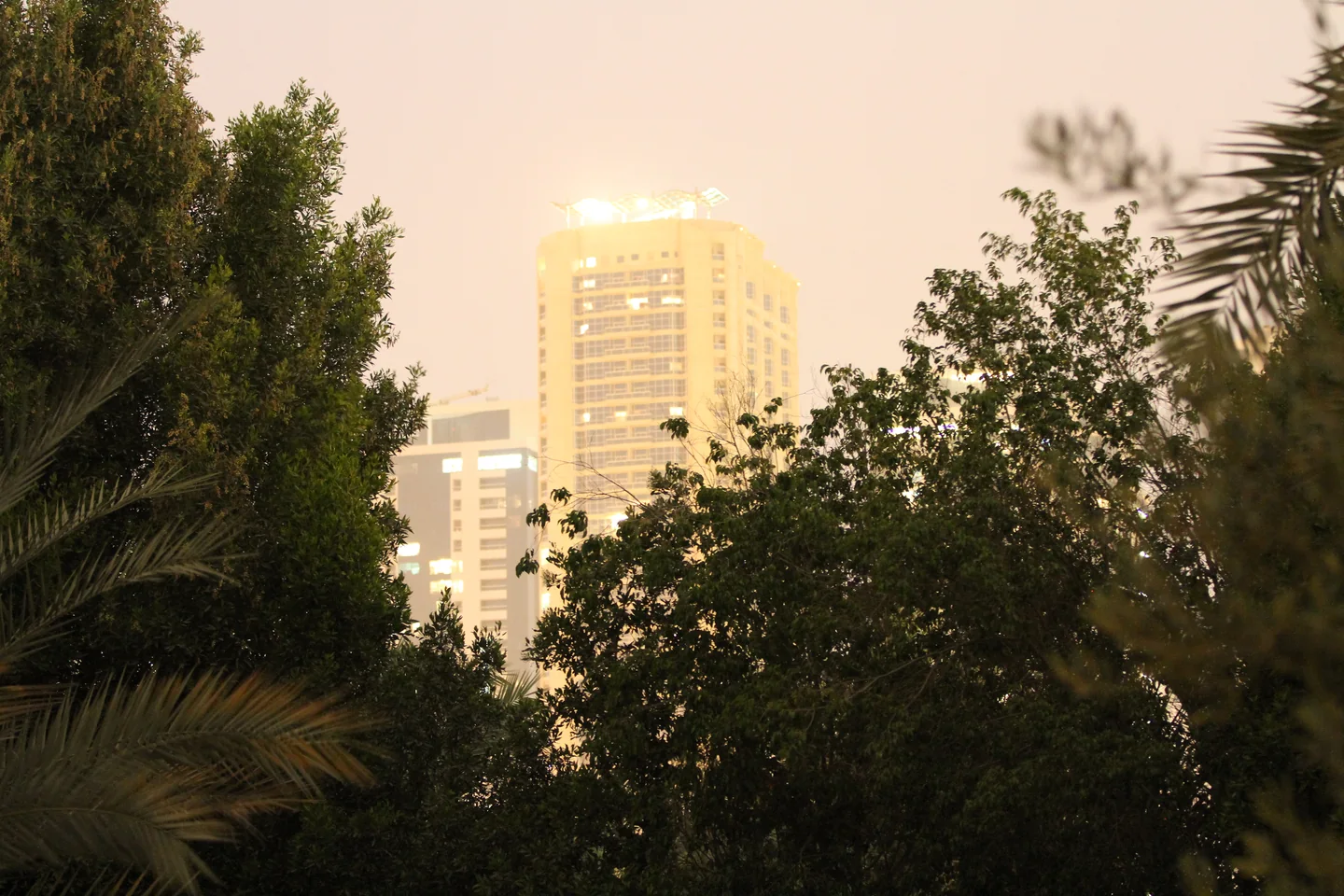
Do not price the property as though a future alteration had already been approved. If it works with a simple furniture arrangement, test the arrangement using the space and features already there. If it needs a new wall, extended screen or other lasting change, ask the adviser what would have to be confirmed for the particular property and put that confirmation on your conditions list. You can compare the homes now based on their existing use and separately consider what may be possible later.
Turn what you observe into a repeatable comparison
At each villa identify one main outdoor activity and one place where it would happen. For example, your household may usually eat supper outside together and occasionally want a shaded place to sit during the day. Try these activities at realistic heights. Have one person sit where the table will go while another stands inside the living room and describes what is visible. A quick sketch is enough if it shows where you were, the source of the sightline and whether the screen is already there. Avoid estimating your comfort in a hypothetical location without first checking the place you expect to use.
Build a short table with one row per villa and separate columns for the place, time, sightline, level of confidence, current screening and questions about control. You can make the categories simple. For confidence, note whether you saw the effect while sitting there, inferred it from a different visit time, or found it only by looking at a marketing photograph. Those distinctions can help decide what deserves a second visit. An observed drawback in one villa should not outweigh an equivalent unmeasured drawback in the other without checking it.
Include notes on whether the relevant space is comfortable as well as screened. A courtyard with barely enough room to add a chair may offer privacy and still fail as the place where your household wants to eat. A terrace can fulfill its purpose even if another corner is more visible. Measure only the dimensions that affect the activities you listed. The point is to find usable space, not to assign broad labels to the whole plot. This short comparison also makes it easier to see when you are paying extra for outdoor area that you would rarely use.
Allow a second viewing to answer a specific question
A second visit is most useful when you know what the first one left uncertain. Ask for a time when expected use is representative. If you usually return after work, a quiet morning may not tell you how the adjoining path works in the early evening. Check which side of the seating area is in shade at the time you want to use it. Then compare visibility with the door open from the main room and again from the outdoor seat. Record the new observations beside the old ones. It is normal for the two visits to differ.
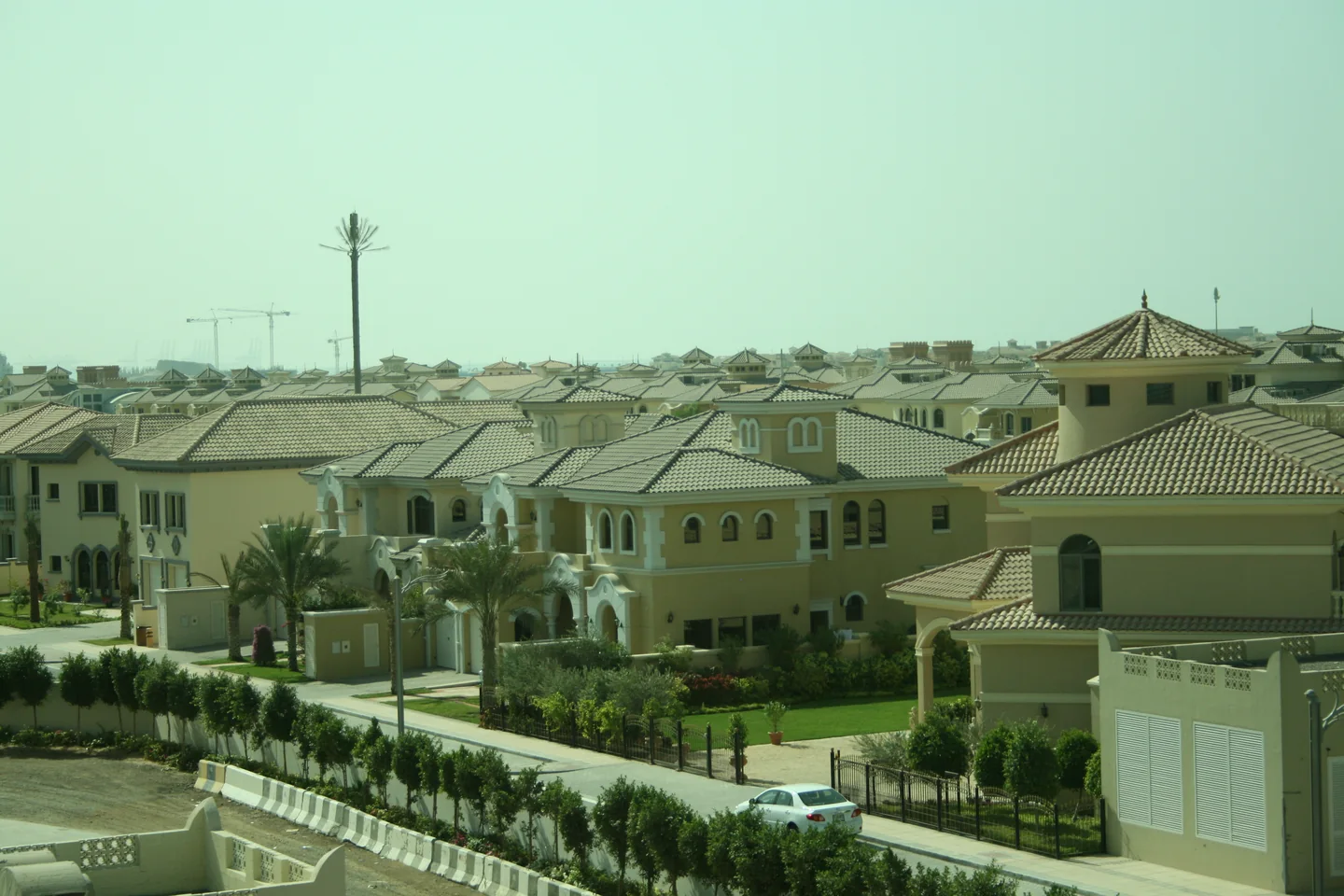
Decide whether what changed is important to your buying decision. A window can be visible from outside even if that part of the property is seldom occupied. A passing route can still matter if it is especially close to the place you would sit daily. The purpose of the repeat visit is to connect the condition to your household's actual routine. Where a condition depends on possible construction or a change to nearby access, keep that separate from the privacy you can see today. If the outcome would only be acceptable with that uncertain future result, it is a good reason to continue searching.
Give your adviser requests that can be checked
Send the exact listing and a short note with the location of the outdoor activity, the direction you are concerned about, and the evidence you need. For example, identify whether you want the current plot plan and confirmation about a particular strip of planting, rather than asking whether the garden is generally private. A useful response should address the specified property and viewing angle. If a different villa in the same community is offered, use the same questions and check its particular exposure again.
Leave yourself a decision rule. One garden might work as it stands with a change in seating position. Another may depend on a proposal for which you do not yet have documentation. Compare them under current conditions, then keep any future changes in a separate column. Finding a villa whose outdoor space can already serve your household is a more useful result than choosing the largest outdoor area on a listing filter.
Choose a garden you can use as it is
Flag the changes you must have for a property to work. A movable table or a different seating position is easy to test. A permanent alteration to a plot or a promise about future neighbouring construction requires more evidence. Compare the homes based on current conditions, then attach any proposed improvements to the row with a date and a source.
Return to the Dubai property filter with your preferred layout and the two privacy conditions that matter most. Ask to see homes that meet those conditions from the current plan and an actual viewing. Compare the shortlisted villas for the outdoor space you will really use throughout the week.


