
An apartment can look ideal during a viewing and still be unsuitable for the animal that lives with you. The listing may say “pet friendly”, but that phrase does not tell you which pets are permitted, which entrances you may use, whether there are restrictions in shared areas, or whether the management's position has changed. If living with your pet is essential, treat those answers as purchase information. Obtain them for the particular building and unit before you commit money.
Dubai Municipality's general guidance says companion animals are permitted at home, subject to restrictions on dangerous animals. That answer is a starting point, not a building approval. Dubai Land Department explains that unit owners and tenants in jointly owned property must comply with the applicable community declaration and building management regulation. Rules therefore need to be checked at the address you are buying. Neither a general city statement nor an agent's description proves that a particular building will allow your current pet and your normal routine.
This guide is for buyers considering a resale apartment in Dubai. It gives you a way to compare written rules with the practical route from your door to the street. If you are still making a shortlist, compare resale apartments for sale in Dubai, then ask for the rules of each building that interests you. The filter helps you find units; the document check decides whether one of them works for your household.
Start with the exact household question
Write down the animal you have, its size and ordinary routine before asking whether a building is pet friendly. A vague yes can mean different things to a buyer with an indoor cat, a dog that needs several outside trips, or two animals that share the home. Do not assume that a policy covering one animal covers a second, or that an old exception transfers to a new owner. Ask management to identify the written rule and any registration or approval process that would apply after transfer.
Keep the question factual. “Can my dog live in apartment 1204, and which route may we use to reach the street?” is more useful than “Are pets allowed?” Mention the number and type of animals without exposing unrelated personal details. If a rule distinguishes between owners, tenants and visitors, ask how it applies to you now and how it would apply if you later rented the apartment. The answer may affect a purchase even when you intend to occupy the home yourself.
An agent can help obtain documents and introduce the management company. The agent's assurance is useful as a lead, but the current rule or a written management response is the evidence to retain. If the answer depends on a one-off discretionary approval, understand who grants it, whether it is tied to the animal or the occupant, and whether it can be withdrawn. Do not describe a discretionary permission as a permanent feature of the property.

Ask for the governing documents, not only a sales message
Request the current building management regulations and the relevant master-community rules or declaration. Ask whether there is a specific pet policy, a resident handbook, or a registration form. Check the date or revision and the name of the issuing management body. A screenshot of an old marketing brochure may describe the launch position rather than the rules applied to occupants today.
Read the definitions. A policy may separate a private unit from common areas such as a lobby, lift, corridor, garden or pool deck. It may distinguish between carrying an animal through a space, walking it there and allowing it to remain there. Read any conditions concerning leads, cleaning, noise, unattended animals, registration and access routes. These are examples of questions to check, not claims that every Dubai building imposes them.
Where the document is unclear, send a short list of specific questions to the management company and save the answer with the unit reference. Ask the seller for any current written permission and any notices about changes. A seller's experience is valuable but may reflect an informal arrangement, an earlier policy or a different animal. Compare the seller's account with the current text. If there is a conflict, resolve it before relying on the listing.
The Dubai Land Department's explanation of jointly owned property is relevant here: the building rules are part of the unit owner's and tenant's obligations. It does not give every building the same pet policy. The practical conclusion is to check the documents for the building you are considering, and to seek qualified advice if a material rule is disputed. A property purchase is a poor time to guess how an ambiguous clause will be enforced.
Walk the entire daily route at a viewing
The unit itself is only one part of your pet's home. For a dog, trace the normal route from the apartment door to an outdoor area. Note the distance to the lift, the number of doors and access controls, whether you must cross a busy vehicle area, and the location where an animal can be taken outside under the actual rules. For a cat or another indoor animal, think through moving day, veterinary visits and safe movement through the common areas. Do not assume that a landscaped courtyard is available for pets merely because it appears in the listing photos.
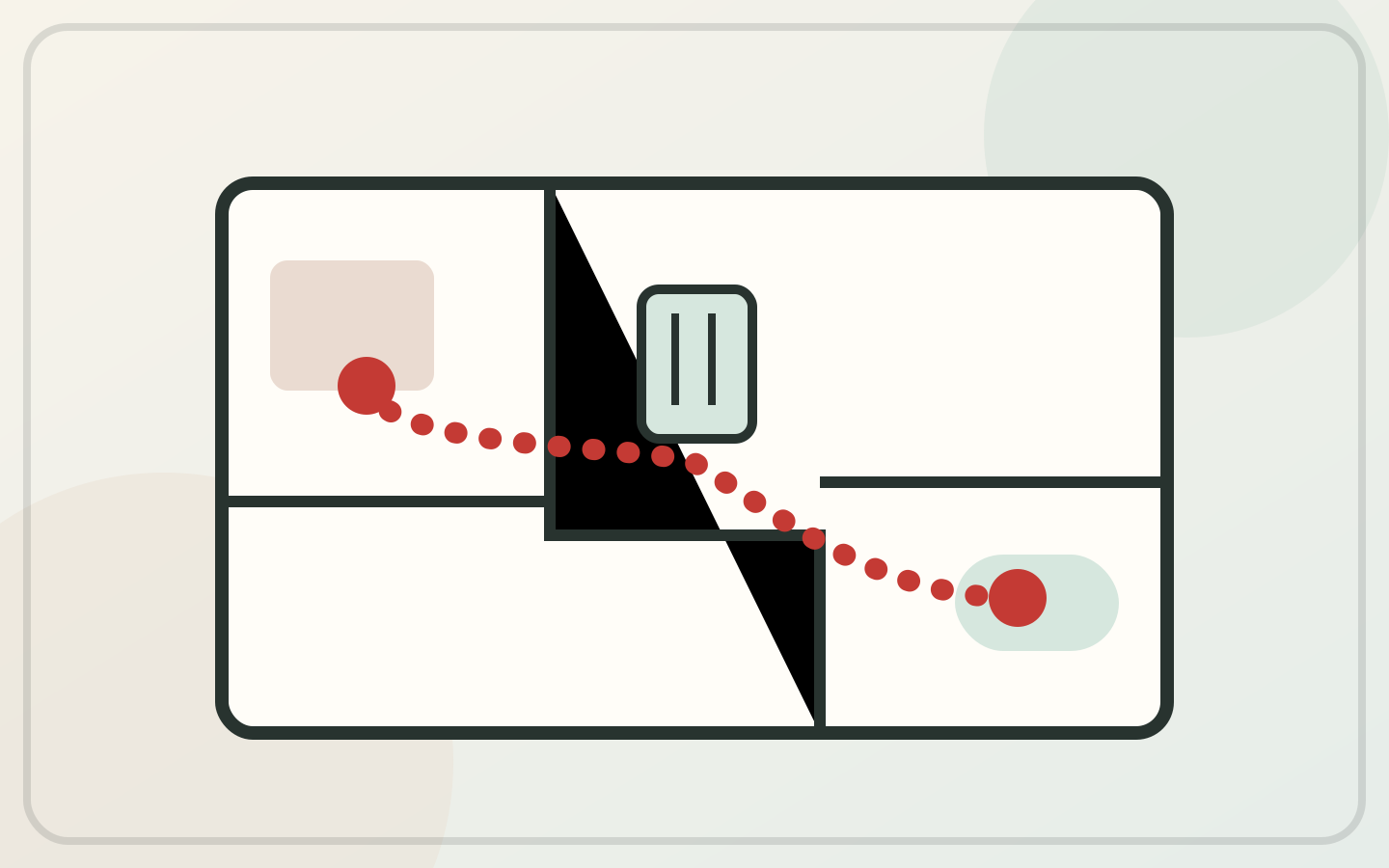
Visit at a time that resembles your routine if possible. A quiet mid-afternoon lobby may not show the morning or evening congestion you will encounter. Check how a carrier or a leashed animal fits through the entrance without blocking others. Notice whether the route includes an exposed stretch in summer heat and whether there is a practical place to wait while arranging transport. These observations are about your use of the building; they are not evidence that management has approved the animal.
The private layout matters too. Look for a safe place for food, water, bedding and cleaning equipment without turning a narrow circulation route into an obstacle. If the apartment has a balcony, inspect the actual railing and gaps, access door and exposure. Never assume that a balcony is safe for an animal from a marketing photograph or from the fact that another resident uses one. A specialist can assess a proposed safety installation, while management should confirm whether alterations are allowed before you plan them.
Think about noise in both directions. Will a pet hear repeated corridor traffic next to a bedroom? Would normal activity in the unit disturb a neighbouring home? Visit the corridor and stand in the room with the door closed. Ask about any relevant notices or complaints attached to the unit, but do not treat silence from one seller as a guarantee. A purchase decision should account for the household and the neighbours who share the building.
Separate a usable apartment from a usable building
A spacious floor plan may not compensate for an impractical exit route. Conversely, a strict common-area rule may be manageable for a household whose animal stays indoors. Compare the same questions across shortlisted units instead of letting a single “pet friendly” label decide the result. Keep a simple record: current written rule received, management answer received, registration steps known, daily route walked, and any unresolved condition.
Use that record to make three decisions. Proceed when the rules and the route both work for your household and the remaining steps are clear. Investigate further when a rule is missing or an answer is oral only. Set the unit aside when a material condition conflicts with how the animal actually lives and no documented solution exists. This is a practical screening method, not a legal classification of the building.
If two apartments are otherwise similar, ask which has fewer assumptions. A building with a clear current policy and a workable route may be a better fit than one with an attractive garden but no written answer about its use. Price, location and space still matter, but a daily constraint that cannot be solved after transfer deserves weight before purchase.
The first viewing may also reveal a problem that a floor plan hides. A large apartment might have its only practical outdoor route through a car park entrance, or an apparently convenient gate might be reserved for service access. Do not solve that problem in your head by assuming that staff will make an exception. Walk the route with the access that an ordinary resident would have. If you need permission to use an alternative route, ask for it in writing. An arrangement that depends on one concierge's discretion is less reliable than an arrangement described in the current building rules. Keep your observations concrete: door, lift bank, exit, permitted outdoor destination and the time the trip took during your visit. That makes a comparison with a second building more useful than simply labelling one “better for pets”.

Check future flexibility without inventing a resale promise
Your circumstances can change. You might add another pet, rent the apartment, or sell to a buyer with a different household. Ask whether the rule applies to the unit, the current resident, or a registered animal. A permission limited to one resident should not be advertised to a future buyer as a permanent property entitlement. If you intend to rent out the unit, check the rules for tenants separately and make sure any tenancy information is accurate.
Pet suitability is not a verified price premium. Do not assume a more permissive building will command a particular rent or resale gain. The immediate value of this research is avoiding a mismatch between a purchase and the way you live. Any investment claim needs evidence for the particular market, unit, costs and period rather than a general pet-friendly label.
Keep copies of the rule and response that informed your decision, with dates and the name of the management contact. Rules can be revised later, so a buyer should also understand the process for receiving updates. If a proposed alteration, enclosure or pet-related installation would affect the exterior or common property, obtain the appropriate written consent before treating it as part of your plan. Never assume that a previous owner's modification proves a new proposal will be accepted.
Questions to send before an offer
Send management and the seller a concise, unit-specific request. Ask for the current pet rule and building management regulation; ask whether your animal and number of animals can be registered; ask where animals may pass through common areas; ask whether there are conditions on lift use, outdoor space or moving day; and ask what documentation or fee, if any, applies. These are questions, not assertions that a fee or restriction exists. Request a written response if the answer will determine your offer.
Ask the seller whether there have been notices or unresolved complaints related to the unit's animal occupancy, and whether any permission was personal. Ask the agent to verify the exact property identifier and the current management contact. If the requested documents are unavailable, record that as an open issue and decide whether you need them before progressing. A positive verbal answer should not be silently converted into “confirmed” in your notes.

During the viewing, test the route yourself and photograph only spaces you are permitted to document. Keep your own observations separate from the rules. The fact that you see another resident with a dog establishes neither the building policy nor the conditions attached to that resident's animal. Equally, seeing no pets during one visit does not establish a ban.
A practical comparison before signing
Imagine two resale apartments at a similar price. The first has a larger balcony and a listing marked pet friendly, but the seller has only an old email and the agent cannot produce the current rule. The second has less outdoor space, but management supplies the current document, confirms the applicable registration process in writing, and you have walked a safe route to the street. The second option has fewer unanswered household questions. That does not make it the right apartment for every buyer; it makes the evidence easier to evaluate.
Now change one fact: the second building permits the animal in the unit but restricts the outdoor route you would need several times a day. A written yes is no longer enough. Your routine has to fit the entire property. This is why the document review and the viewing must be read together, rather than substituting one for the other.
When you shortlist Dubai resale apartments, keep a column for pet-rule evidence beside the usual price, size and location fields. Ask a PGI adviser to obtain the current building documents for the specific units you are considering. Make an offer only after you understand any condition that could prevent your animal from living with you as planned.
Sources and limits
- Dubai Municipality FAQ on keeping companion animals at home. This is general municipal guidance and does not certify an individual building. - Dubai Land Department explanation of obligations in jointly owned property. The applicable building and community documents still need to be obtained for the property.
This article gives a buyer's verification method. It does not state that any listed apartment permits a particular animal, and it does not replace a current building rule, management confirmation or advice on a disputed legal point.
