

Take the route you would use most days and time it from the point where you call the first lift. Include any walk between banks and any security gate that affects access. Then repeat it during the hours when your household would normally leave and arrive. An apartment can have a shorter everyday trip even when it sits on a higher floor, depending on which lifts serve that floor and where they stop. A useful viewing shows what the route requires and which parts you still need to verify.
Draw the route to the front door
Ask to begin at the same entrance a resident uses after work. In some buildings you may reach the apartment directly from the lobby. In others you may change lifts between parking, the street entrance and a residential level. If you typically bring shopping in from a garage, start at the allocated space rather than at the agent’s meeting point. Draw a simple route on your phone with the parking level, access doors, lift banks, transfers and the apartment floor. Note any part the seller cannot show you.
Repeat the exercise from the pedestrian entrance. A tower can have several ways in, with different access rules for residents, visitors and staff. Some entrances may be convenient for getting to a taxi or collecting a delivery yet unavailable at a different time of day. Ask about ordinary operating hours and which entrance a guest uses when you are upstairs. Compare the resulting trips instead of assuming they share the same lobby and lift.
When reviewing resale apartments for sale in Dubai, keep the route attached to the exact listing. Two flats in the same tower can sit in different lift zones. Apartments on the same floor may have different walking distances from the assigned bank. The extra minutes that matter around departure time might come from a parking transfer or security procedure. A single note that says “three lifts” leaves those differences unexplained.
Find the bank that serves your floor
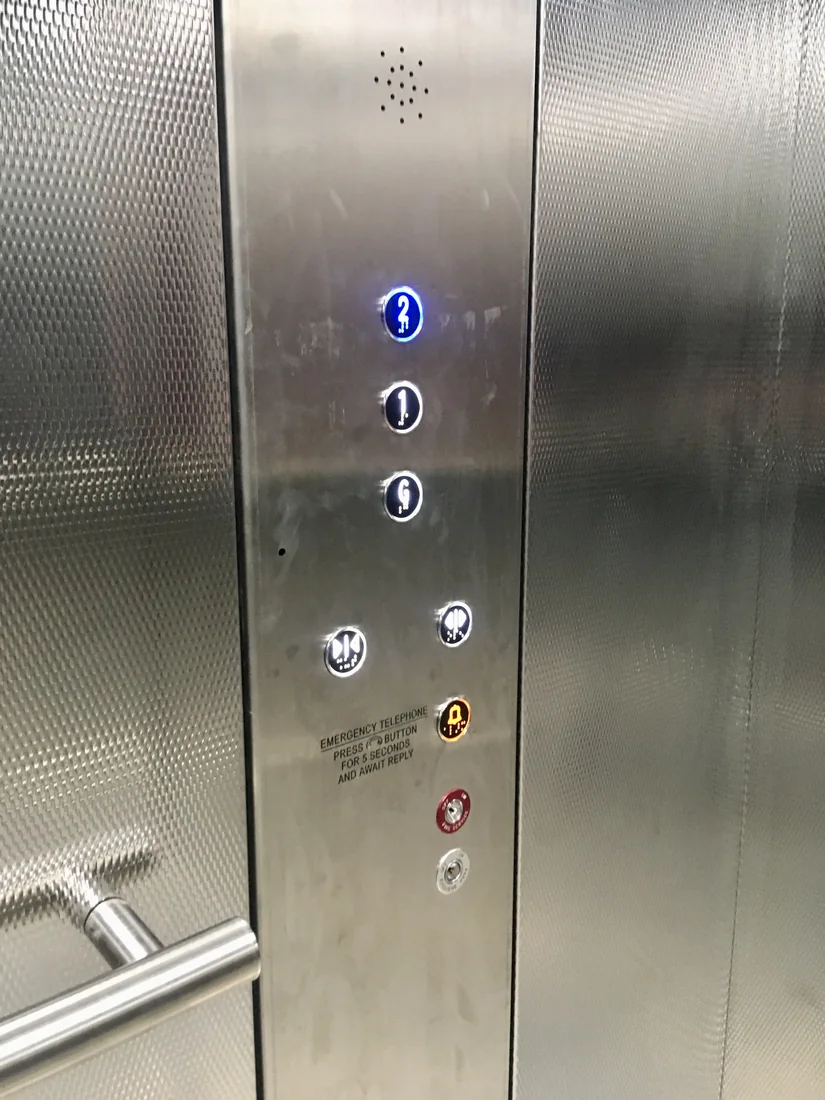
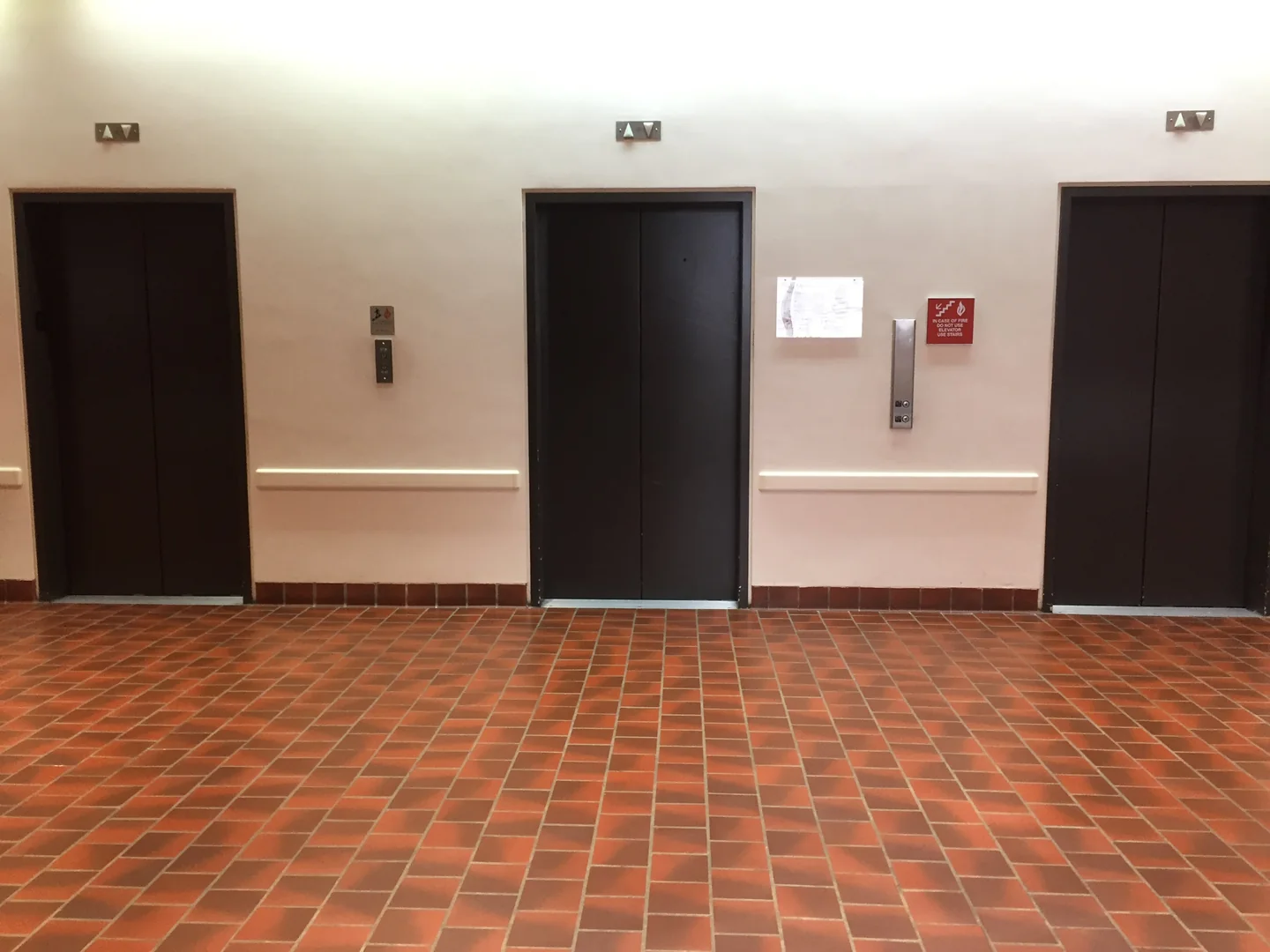
Ask which lifts a resident in that specific flat can use. Look at the labels and permitted destinations at the lobby and garage. A nearby lift may be reserved for another residential zone, a hotel, amenities or deliveries. Count the cars that actually make the daily trip and note if another bank can serve the same floor when one lift is out. If an access card or a destination selection panel sends residents to a specific car, try the normal procedure with the agent or resident.
Look at what the bank connects before deciding that more lifts mean a faster trip. A direct route from parking can be convenient for a household that uses a car daily. A flat normally reached on foot may benefit more from a simple street entrance and fewer changes. For a family coordinating school runs, write down whether two people leaving for different destinations can conveniently meet downstairs. For a buyer who receives regular assistance or has visitors several times a week, test the access process with the person who would use it if they can attend.
An agent can often arrange the viewing from whichever entrance is easiest. Ask to see the ordinary resident route even if it takes longer. If you cannot use the garage on the first visit, mark that leg outstanding and ask for a return visit. A route map or a photo of the bank can help you understand the layout, but a timetable and a live ride provide different evidence about the routine.
Time separate parts of the trip
At two visits record three intervals. Measure the time from the call to the doors opening for a car you can enter, the time spent riding, and the time spent walking or making transfers. If the first arriving car is full, continue timing until you board. A minute on the walk can be predictable. A fluctuating wait might matter more if you need to leave by a fixed time with children, equipment or groceries. Record what happened instead of filling gaps in the timing with an estimate.
Pick one visit close to the time you would usually go out and another near your usual return. Ask about typical patterns if the flat is rented or the manager can describe what they observe. If you visit during a quiet period or a public holiday, mark the circumstances. A few observations help compare routes but cannot establish a building-wide average. Keep the raw results and compare them to your own tolerance for disruption. A late-arriving lift may affect a visitor with a fixed appointment differently from someone with a flexible schedule.
On the first visit, use the measurements to decide what to repeat. If the ride is fast but the transfer is uncertain, revisit from the garage. If the view looks promising yet the main bank was full twice, ask about repeat access during the same period on a different day. In buildings with more than one tower entrance, test whether your backup entrance leads to the right bank with your resident access. Avoid timing a route for which the building staff have temporarily bypassed its usual access procedure.
Ask management how servicing changes the route
Walk up to the management or security desk with the floor and bank details. Ask how residents learn about planned servicing, whether maintenance usually removes one car at a time and what route residents use in that situation. If the building maintains notices or service reports it can share, note their dates and scope. A photo of a maintenance sign confirms an event on that day. Information about operating procedures and recurring issues needs separate confirmation.
Ask about traffic from other uses of the building. A lift bank that serves amenities, short-stay units, offices or a shared podium can be quiet at some times and busier at others. The question is which destinations share your normal ride and whether access changes on weekends. A delivery or removal booked in the same bank may affect residents for a short period. If a separate service lift is available, check which floors it serves and how management allocates it. Our furniture-delivery guide discusses booking a move. This check concerns the everyday route once the move is over. Check the furniture delivery guide if you also need to reserve a service lift for the move.
If reliable access is essential for a member of the household, ask about how the building works during servicing or disruption. Visit with their usual mobility aid if possible and check the complete approach to the unit. The wait, level change, turning space and door controls all matter. Dubai Municipality’s Universal Design Code and Wosool information explains how specialists assess accessibility in existing buildings. A building’s classification or inspection, where available, can inform your review. The person’s own route and needs should guide the viewing, and any life-safety or emergency procedure should be checked with the responsible building team.
Compare two flats on the same terms

Imagine a lower-floor apartment served by a lift from a lobby reached after a parking transfer and a higher-floor apartment served directly from the garage. The higher floor might give a shorter overall trip on some days even with a longer ride. Record each stage for both homes during comparable hours. If either visit was outside your usual time window, leave that estimate open. You may see that one apartment has a shorter routine but a weaker fallback. The other could be more predictable when a car is under maintenance. Consider what you need more often.
Think about the actual trips in a week. School runs, taking a pet out and short trips for groceries can add several returns through the same bank. If the family usually leaves together there may be fewer calls. If several residents come and go separately, a difficult transfer will affect more journeys. Avoid multiplying the longest observed delay by every trip and presenting the result as a forecast. Use a typical observed trip, an observed slow trip and a separate note for what happens when part of the service is unavailable.
Weigh those observations against reasons for preferring the flat, such as its usable rooms and the price. A lift route that adds predictable time can be acceptable when another benefit matters more. An unverified backup is a more significant issue for a household that depends on it before a daily deadline. If that is your situation, ask the adviser to confirm the fallback in writing before you decide to proceed. You may find that a repeat visit resolves uncertainty more cheaply than paying a premium for a floor number.
Worked example using three separate timings
Imagine that a viewing begins at the buyer’s prospective parking bay and the measurements include all door access. At flat A, the road back to the garage takes no special detour, but the garage lift stops at a transfer lobby. The buyer records 35 seconds for the wait and ride on that car, 45 seconds to walk and cross the transfer gate, then 90 seconds for the wait and ride in the residential bank. At flat B, the buyer records 30 seconds of walking to the lift and 85 seconds waiting and riding directly to the floor. In these made-up observations flat A takes two minutes and 50 seconds while flat B takes one minute and 55 seconds. Both measurements begin at parking and end on the home floor.
Repeat the timings from the street before drawing a conclusion. If flat A has a separate pedestrian entrance that reaches the residential bank directly, its advantage for someone who rarely drives may be greater. If the higher-floor apartment requires a guest to obtain a pass at another entrance, the buyer who expects visiting family might put more weight on that route. In a second viewing a full car may add to the wait on either bank. Record when that happens and whether you could use a different bank, rather than changing the result to an assumed average.
If you normally leave home with a fixed deadline, approach each flat with the same question. Can you reliably reach the place at which your car, bus or taxi journey starts? Work backwards from the deadline using your observed walk, ride and transfer times and a margin that works for your obligations. Avoid borrowing the margin from someone with a different household routine. If your biggest constraint is picking up a child from a nearby stop rather than getting to work, observe the building at that time of day.
When you discuss the result with management, distinguish what you saw from what you were told. The 90-second wait in the example is a single observation. A manager’s explanation about how a bank is commissioned or serviced may help explain patterns. Ask how to confirm whether the procedure affects your floor. If one building can describe the alternate route and the other has not confirmed an alternative, record the latter as an unresolved risk instead of inserting a fictional delay.
Questions to put in the viewing notes
For each listing, write the entrance and parking bay, apartment floor, lift bank, usual access steps, observed wait and available fallback. Attach the visit date and identify who confirmed management details. Note whether a guest can follow the same route. Keep questions tied to the specific circumstance you could not observe, such as whether the remaining cars on that bank serve the floor when one car is out. A manager can give a more useful answer to that question than to a general request to rate the building’s lifts.
Ask to see the complete journey to the front door again if the seller or agent has changed the unit you are being offered. A neighbouring unit may be served by the same bank but be farther from the doors or approached from another parking level. Bring a realistic bag, stroller or mobility aid if that is part of your routine and there is space to use it safely. Where an escorted demonstration is required, note which steps the escort performed and confirm how a resident would do those steps alone.
The decision should rest on the route that you can actually use. The quickest ride to the floor can be a poor guide if parking requires changing cars or reaching a visitor desk first. If you enquire with PGI, give the listing reference, floor, entrance you expect to use and a realistic visiting time. That lets you arrange a repeat ride on the right bank and compare your finalists using the same conditions.


