
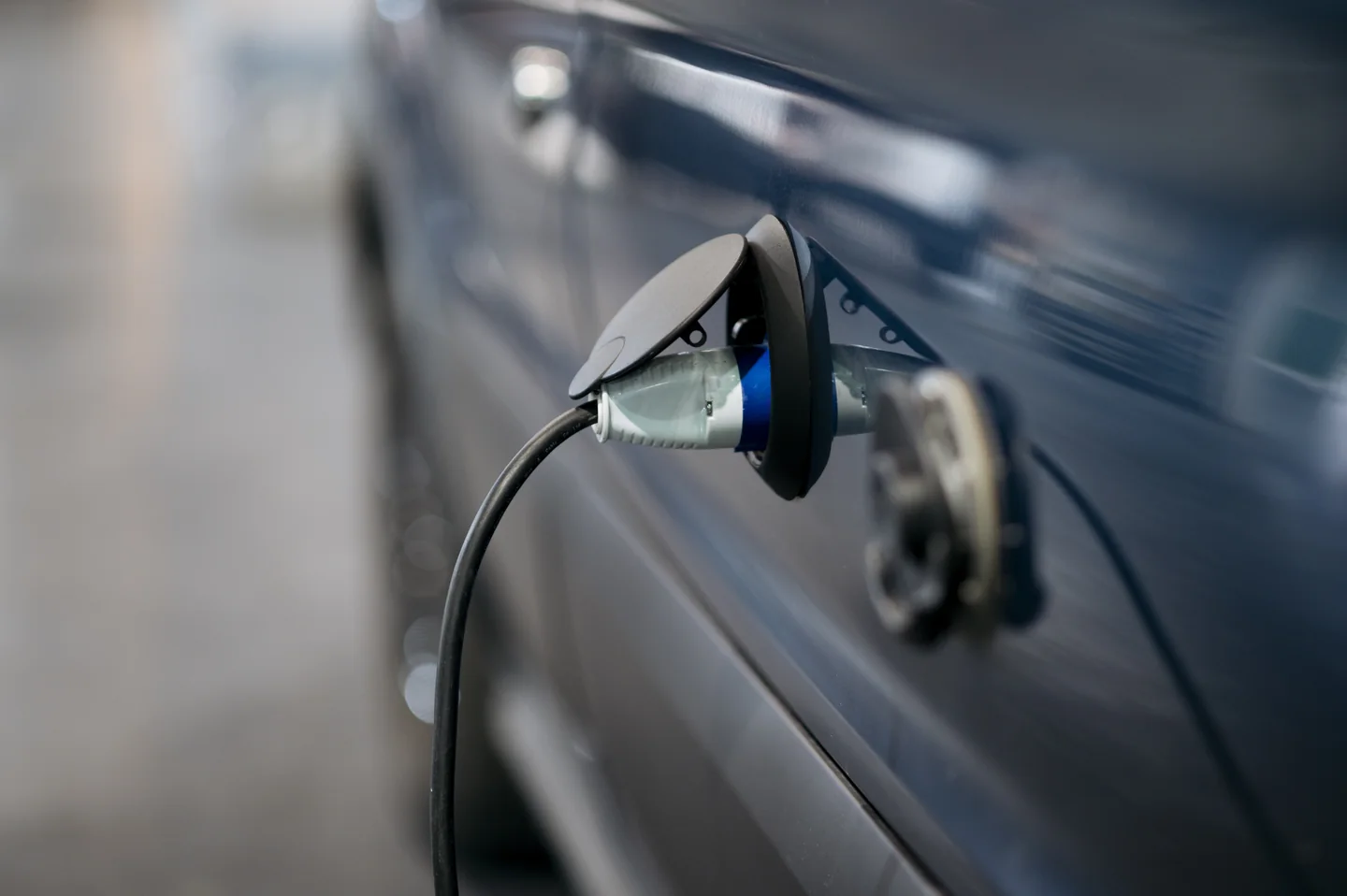
Confirm who can charge at the building, where the car must be parked and how a session is paid for before pricing the convenience into an apartment offer. A map pin can point to a charger that anyone can use, a machine inside a resident-only garage or a unit managed by a third party. Those arrangements lead to different routines. For a buyer who drives most days, the practical question is whether the exact flat and parking allocation support a reliable charging week after the seller hands over the keys.
Start with the bay and an ordinary week
Record the unit and parking bay numbers as separate items during a viewing. If the seller refers to “the charger downstairs,” ask them to walk you from the ramp to the machine and show you whether a car can remain in that space overnight. A charger serving a shared bay may require you to return to move the car. A charger at the seller’s allocated bay may be useful every evening, provided the equipment stays with the property and the new resident can use the associated meter or account.
Estimate your own week using odometer readings or the vehicle app. Include longer outings and the days you reach home later than planned. Then write down the periods when you can leave the car connected. Someone who parks for ten hours most nights can tolerate a different rate of charging from someone who needs to recover a day’s driving during a short visit. The number printed on the charger tells you the equipment rating. The car, installation, demand from other users and length of your stay determine how much energy you can actually add.
When comparing resale apartments for sale in Dubai, keep the charging status next to the unit and bay references. Use plain evidence labels such as installed and transferable, shared and tested, written installation approval pending, or public charging only. If a property portal groups multiple homes in the same building, get the evidence again when the offered apartment changes. An arrangement that works for one parking level can be unavailable at another. For the space itself, use this apartment parking and access checklist to compare the garage entrance, manoeuvring room and route to the building.
If the seller already charges at the allocated bay
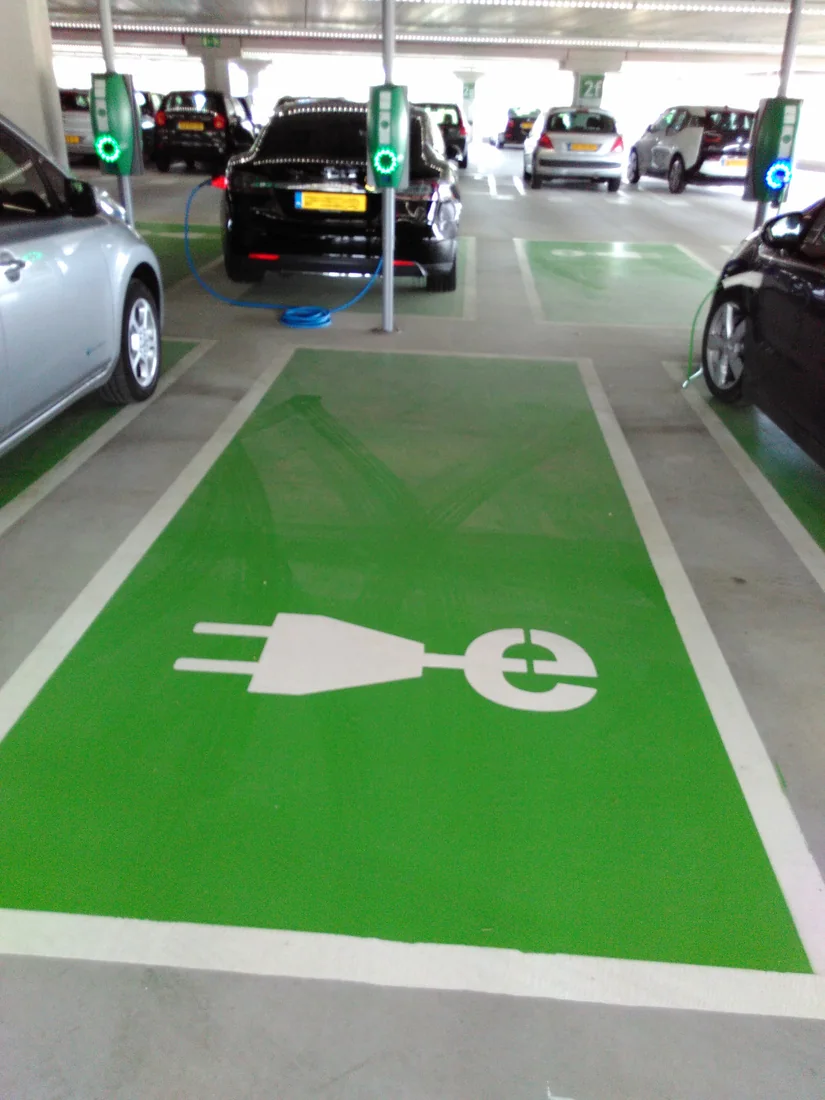
Ask what the seller owns, what the building owns and what the charger provider manages. A usable handover can involve hardware, a power supply, keys or access permissions, a registered account and support details. Establish whether the seller plans to remove the charger and whether an agreement with the building or operator permits the buyer to retain it. Record the make, equipment reference and who repairs it. Request redacted documentation or a demonstration with the owner present, so you can verify operation without collecting someone else’s login or payment information.
Find out what the electricity is billed against. The supplier may be the apartment account, a separate meter, or a building or operator account that bills sessions. Ask what will change at transfer and what action must be taken by the buyer. If the current resident can show a redacted bill or statement, check what dates it covers and whether it includes fixed fees. A screenshot of a successful charge establishes that the equipment ran at that time. The invoice and account-transfer instructions answer different questions.
DEWA’s EV charging FAQ describes home chargers installed behind the customer’s meter and points to DEWA-approved electrical contractors. Use that guidance to ask the manager which arrangement is in place for this bay. Do not infer that a shared tower garage is wired to the apartment account, or that a charger that works today automatically transfers to the next account holder.
If you would use a shared resident charger
A resident charger is convenient when residents know where to park, can start a session reliably and can get help when the unit is out of service. Ask how many bays are open to residents at the times you drive, how machine availability is communicated, whether sessions have time limits and when an idle or parking charge applies. If access depends on a reservation, ask how reservations are made and whether a full evening schedule is common. A security barrier, valet requirement or swipe-card rule can change the time needed even when the charger is close to your building.
During a second visit at your ordinary arrival time, ask whether the building can show normal operation. If a test is permitted, check the connector your car needs, how a session starts, whether your phone has reception at the bay and how you would report a fault. Note whether residents have a place to wait or would need to return later to move the car. If no test is permitted, obtain the current operating instructions and a point of contact, then mark availability as untested. A charger that can be seen through the garage gate tells you little about account eligibility or how often a bay is full.
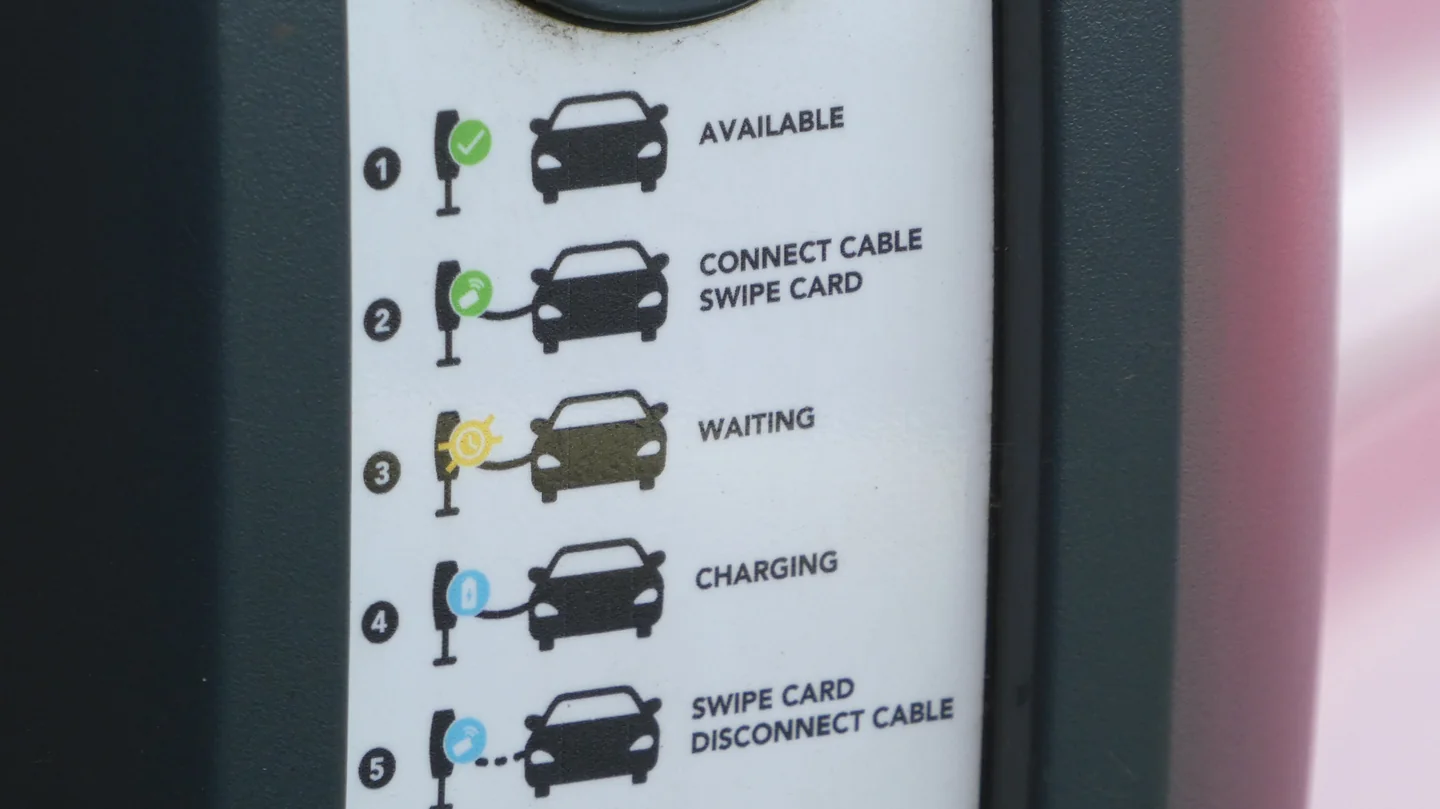
Ask whether any fixed access charge follows an apartment, a vehicle, or a resident’s account. If the seller uses a benefit from an employer or a historic subscription, price your own plan. Review how the shared charger handles periods of high demand, since a system can keep sessions running at a lower charging rate while several cars connect. For buyers who rely on a short overnight session, a delay to the start time or a reduced rate can matter more than a small difference in price.
If your plan depends on a new installation
Treat a “charger-ready” description as a request for details. Ask what is already provided at the precise bay. There may be a route reserved for a cable, a nearby panel, a conduit with no live connection, or a functioning charger. Ask building management for the written installation process, including the documents and contractors they accept, who decides whether there is spare capacity, and how shared areas may be used. An installer can verify the bay and make a site-specific proposal once the building has explained its process. Leave electrical work and load assessment to qualified providers.
Request a written quote tied to the bay. Ask what it covers, how long it remains valid, what access the contractor needs and what parts would be billed separately. Installation, the equipment itself, making good the garage surfaces and recurring electricity or maintenance can appear on separate documents. If two buyers are sharing costs or a company car may be replaced, verify how the charging arrangement would work with a different vehicle. A quote is evidence of an estimate. Manager approval and commissioning supply different evidence.
DEWA’s regulatory framework for EV charging infrastructure describes how different charging arrangements are regulated in Dubai. Ask the building and a qualified provider what approvals apply to the proposal in front of you. The goal of the viewing is to establish whether a declared option is viable and who can confirm it. Leave the final technical specifications for the contractor and authorities responsible for the installation.
Build and price a backup route
Identify a backup charger with published access terms and try to visit at a time you would need it. Use the provider’s current station information to check connector, opening arrangements, price and any parking conditions. A public station by your office or supermarket is easier to use when it fits a trip you already make. Check what happens on a public holiday, if your work parking closes or if the provider marks the charger unavailable. A station a short distance away can still change the way you plan an evening if it needs a separate stop.
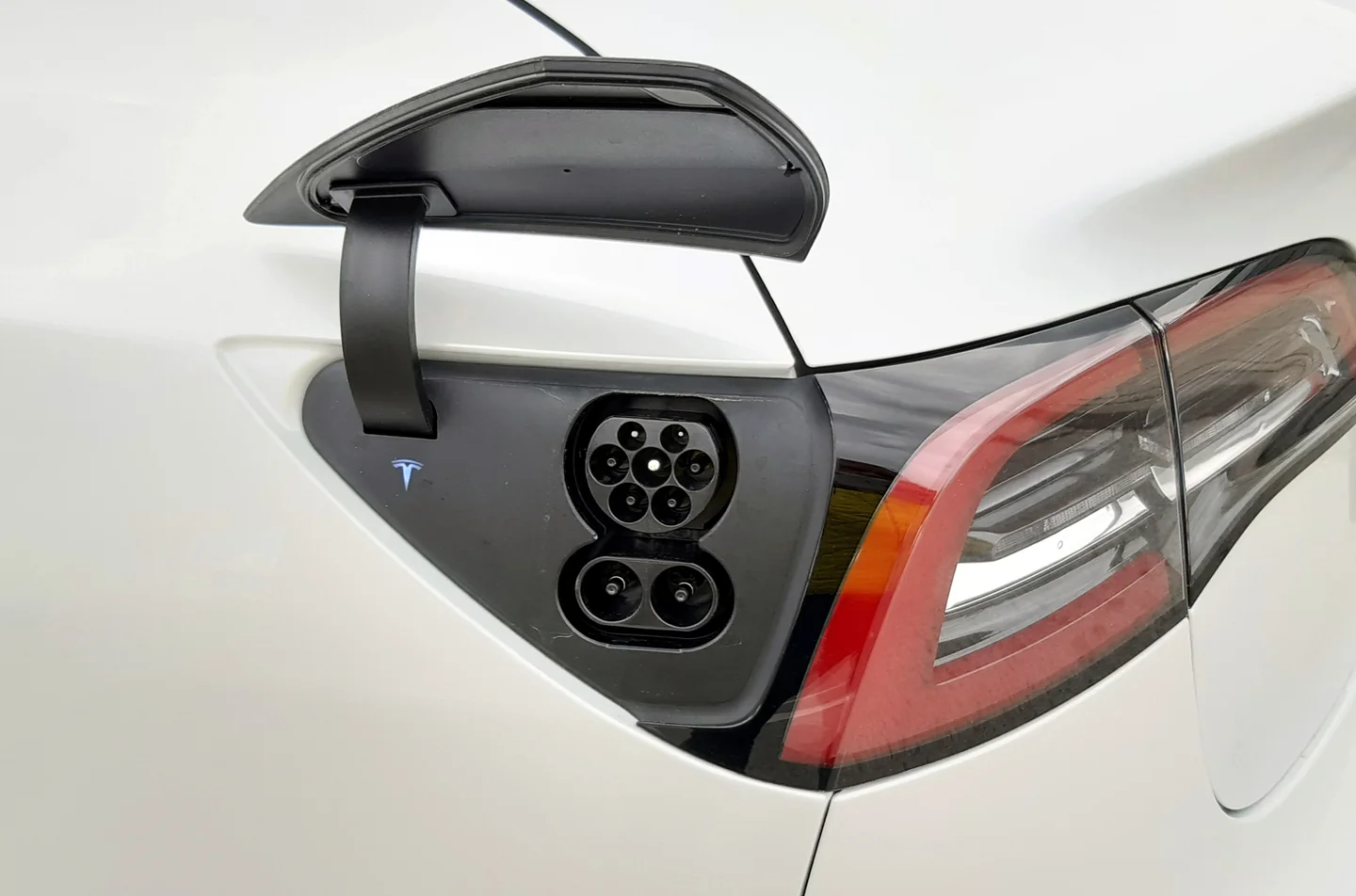
Suppose you shortlist two flats. The first has a documented bay charger you can use overnight. The second costs less and has a shared charger plus a public backup at a supermarket. Work through a normal week as if you already lived in each. For the first, count any transfer or installation cost and review the actual billing arrangement. For the second, count expected shared sessions, parking or idle charges, and trips that would need the backup. If you cannot verify how often the shared charger is free, run both a comfortable case and one in which you use the backup often. A price difference can be worth accepting if your actual timetable makes the second routine easy.
The decision can change when two drivers depend on one car. Record whose phone starts the session, who usually brings the car home and who can move it if the bay must be cleared. A shared station that works for a resident with flexible hours can be inconvenient for another household. If you occasionally expect friends or relatives to charge, check the visitors’ charging arrangement separately. Their ability to reach the garage or use a public charger need not match resident access.
Compare the cost of the routine you would actually use
Create one line for upfront costs and one for a normal month. The first may include a charger, account setup, the part of the installation you must fund or a deposit the operator requires. The second should distinguish electricity or session charges from parking, idle fees and a subscription. Check when any deposit is returned and whether a monthly allowance applies to the specific stations you plan to use. Use current written terms. Do not substitute a general electricity rate for a bill issued by a private charging operator.
For example, take two nights that would normally be spent at home and one day when you often stay out late. At a flat with a working bay charger you might use those two overnight periods. At a building with a shared station you might need one evening slot and one session outside the building. Start by listing what has to change in your week under each option. Only then calculate the cost from your own energy use and the current tariffs. If an important figure is missing, leave a blank and test how much the answer would have to change to affect your choice.
Keep one-time costs visible when comparing flats with different asking prices. Test both the plan you expect and a period when the home charger is unavailable. A backup that adds a small cost for a week can still be workable. A backup that requires arriving early at a garage you cannot access during work hours is a different problem. Document who is in a position to confirm access before treating it as part of the value of the apartment.

Separate written evidence from viewing observations
Keep a short record for each flat. Include the equipment status, the unit and bay numbers, who confirmed access, what a live demonstration showed and the documents still outstanding. Timestamp the information about prices and availability because operators and building procedures can change. For a flat with a promised installation, define who will confirm it and when you need the answer. For a flat with a shared charger, decide what evidence would demonstrate that the morning or evening routine works.
Write down the unresolved points before revisiting a seller. “Can the next owner take over the existing bay charger and begin using it after registration?” is a more useful follow-up than “Is this an EV-friendly tower?” Request the written instruction for the exact situation, then compare it with what you saw. A new owner may need a new account even if the machine remains installed. A resident who can show a successful session may still be using a legacy arrangement.
If charging will influence what you pay or whether you buy, discuss the relevant evidence and timing with the adviser handling the transaction. A manager’s informal estimate of when a new charger might be installed is weaker evidence than an existing assigned charger and current instructions. That distinction also helps prevent double-counting a feature. A lower price and a credible backup can be a better fit than a more expensive flat where billing, permissions and availability are unclear.
What to take away from the viewing
Leave with one confirmed plan for ordinary charging and one fallback. The ordinary plan needs an owner or operator, current access instructions and a realistic session window. The fallback needs a route and charging time that fit your schedule. Compare those findings alongside the flat’s condition and price. If the main plan still depends on an uncertain installation or a seller’s account, leave the apartment on the shortlist with that issue unresolved until someone responsible can verify it.
When contacting PGI about a listing, share the exact listing reference, how often you normally charge and whether you need overnight access. That makes it possible to ask the building a specific question before allocating another viewing. Note whether you are willing to use a shared station or need an assigned bay. The most useful comparison is the one you can repeat using the same questions at the next building.


