

Dubai South property decisions should connect the area's wider development story with the buyer's actual use of the home. A location associated with aviation and logistics can be relevant to a household or rental strategy, but it does not establish the suitability, completion date or income of an individual property. Those questions require a specific project and a clear purchase brief.
This guide explains how to compare Dubai South homes by address, development stage, journeys, layout and ownership costs. It also shows how to evaluate future plans without counting them as present-day facilities. Whether you want an apartment, townhouse or larger home, begin with the date you need it and the commitments you can manage throughout ownership.
What this guide covers
• Understand the wider area and your exact project
• Choose around the journeys that matter
• Separate present-day living from future plans
• Compare apartments with townhouse living
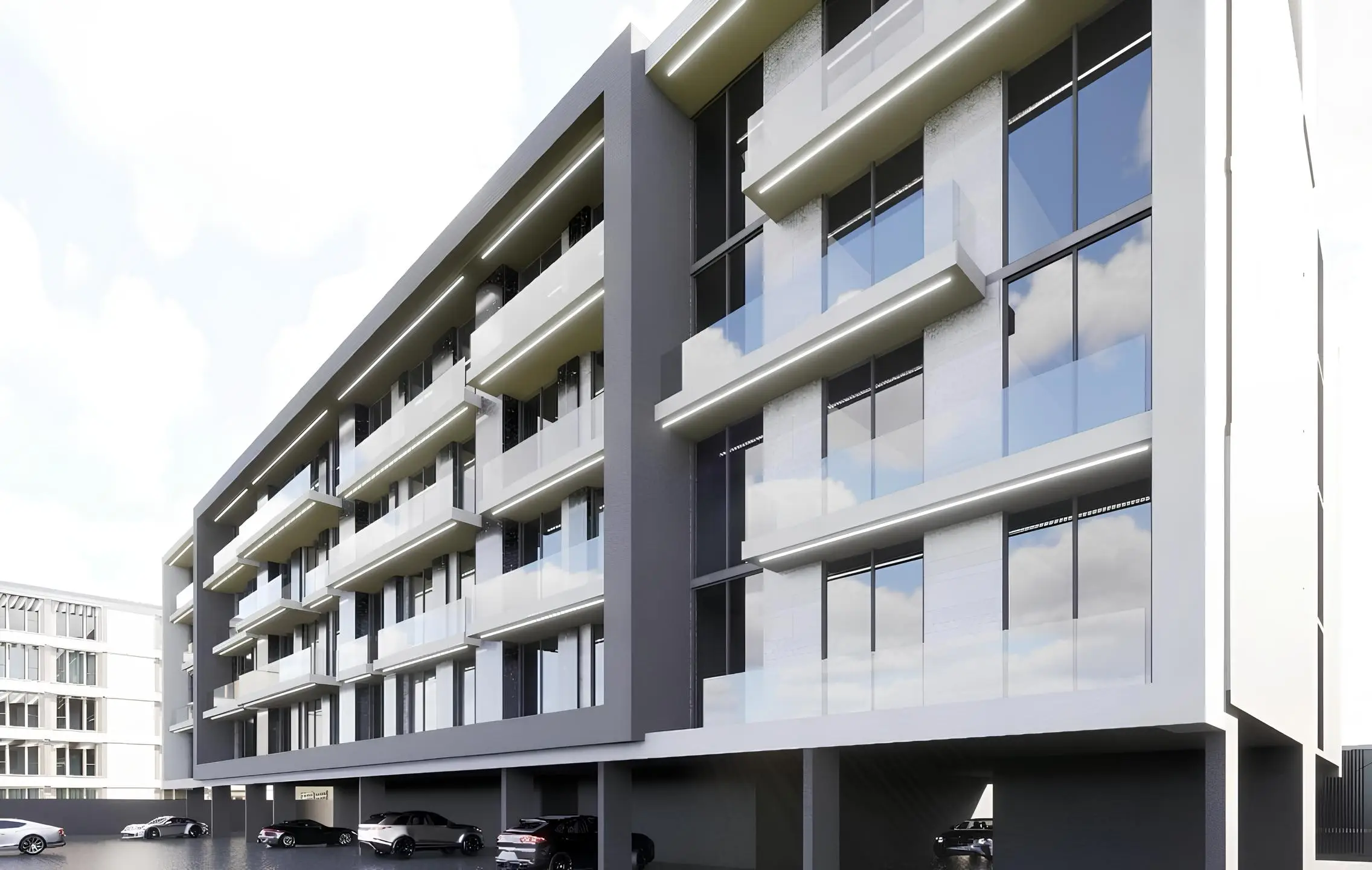
SYNERGY "Greenfield Living" catalogue image in Dubai South. Project marketing illustration; confirm the exact home's condition, specification and availability separately.
Understand the wider area and your exact project
Dubai South's official review of its 2025 activity describes its aviation, logistics and real-estate ecosystem. It also distinguishes delivered residential work from planned handovers and further development. This is useful context for research, while individual project status and current availability need separate confirmation at the time of purchase.
Ask for the exact project name, phase, plot and building or home identifier. A broad Dubai South label can refer to different residential settings. Map the actual entrance and surrounding roads before comparing homes. Proximity to a large destination or employment area should be tested through the real route rather than assumed from a regional map.
Keep the master development and individual sales proposal separate. A news announcement about a wider district does not prove the delivery stage or specifications of your chosen property. Request dated evidence for the particular project, and keep its identifiers consistent across quotations, plans, payment schedules and transaction documents.
Choose around the journeys that matter
List the destinations you will reach regularly, including workplaces, schools, shopping and relatives. Assess the whole household rather than focusing only on the nearest employment centre. A property convenient for one person can create a demanding journey for another. Those recurring demands deserve explicit weight in the shortlist.
Drive the route at relevant times and include the journey from the home's parking space to the destination entrance. Check the return direction as well. A short brochure estimate may omit internal roads, access gates and the time needed after reaching a large workplace or transport destination.
If you intend to use public transport, investigate the current connection for the exact address. The RTA S'hail journey-planning resource can support this check. Keep operational routes separate from future transport expectations, and consider how you would travel if a preferred connection does not fit your working hours.
Separate present-day living from future plans
Make two lists: facilities you can use now and features described as planned or under development. Visit the current facilities and record their route from the property. A completed home can still require driving elsewhere for services that appear nearby in a future masterplan. That difference affects the daily experience and setup budget.
For a proposed facility, ask which party is responsible and what dated source supports the expected timing. Do not treat an announcement as a fixed operating date. If the feature is important to your decision, explain how you would manage without it for longer than expected. This turns a vague growth story into a practical contingency.
Future development can inform a long-term view, but it should not become a guaranteed price or rental forecast. Evaluate whether the purchase works with the available home, services and costs. If the case depends entirely on a future improvement, identify that dependency clearly instead of presenting the optimistic outcome as established fact.

DAMAC "Celestia" catalogue image in Dubai South. Project marketing illustration; confirm the exact home's condition, specification and availability separately.
Compare apartments with townhouse living
An apartment may suit buyers who want shared-area management and a home on one level. Check lift access, storage, parking and how facilities are allocated. The layout should support ordinary activities rather than simply show an attractive amenity list. Inspect the actual building operations where the development is occupied.
A townhouse introduces a different balance of space, stairs and private outdoor upkeep. Assess the connection between living rooms and garden, bedroom separation, parking and access for visitors. Consider whether the household will use the additional space and whether the outdoor area is practical at the times occupants would normally be at home.
Compare the complete cost and routine rather than only the advertised price per square foot. A townhouse can require more private maintenance, while an apartment can have a different shared-cost structure. Use the villa and townhouse comparison guide to keep relevant functional differences visible before deciding which type to prioritise.
Review the home as a usable layout
Request a dimensioned floor plan and place realistic furniture on it. In an apartment, check whether dining, work and relaxation can coexist without blocking circulation. In a townhouse, walk the route between bedrooms, laundry and shared rooms. The value of the layout depends on the intended household, not only the advertised room count.
Think about storage and daily equipment. Suitcases, bicycles, cleaning items and children's belongings can occupy more space than a show home suggests. Identify where they would go and whether doors can open fully. A room that works only with unusually small furniture should not be compared as though it provides the same usable space as another plan.
For outdoor space, inspect privacy, shade and practical access. Ask which landscaping or alterations require approval and how boundaries are maintained. A terrace or garden can add useful flexibility, but its upkeep and usability should be considered alongside the internal living space rather than treated as a free benefit.
Inspect the immediate environment
Visit the roads and plots around the candidate home. Look at current access, nearby works and the way vehicles move through the area. Observe conditions at a time relevant to the occupants. Avoid drawing a district-wide conclusion from one street; the decision concerns the particular property's surroundings and the routine it must support.
Because the wider area includes aviation and logistics activity, test any location-specific sound or movement concerns directly. Assess the apartment or home with windows open and closed where appropriate. An official regional description cannot settle the acoustic experience of an individual bedroom, and a single daytime visit may not answer every question.
Record observations with dates and photographs, noting any uncertainty. Ask the relevant project or management contact about access changes and planned work where reliable information is available. If an issue is important enough to affect the purchase, arrange another visit or a suitable specialist check rather than relying on reassurance without evidence.

OKSA "Aristo" catalogue image in Dubai South. Project marketing illustration; confirm the exact home's condition, specification and availability separately.
Check ready-home possession and condition
For a property described as ready, establish whether it is vacant, occupied or awaiting remaining handover steps. Ask when it can actually be used and what evidence supports that timing. A broad completion description should lead to specific answers about possession, utilities, access and the condition proposed at transfer.
Inspect the home and obtain appropriate professional help for technical issues. Record defects and clarify responsibility for correcting them. If equipment or furnishings are included, request an inventory and check what is operational. A finished-looking interior does not by itself establish that every system has been tested or that all items belong to the sale.
Plan the first month after completion. Utility setup, curtains, furniture, cleaning and contractor access can affect move-in readiness. Include temporary accommodation if necessary. The Dubai handover and snagging guide helps organise inspection and practical setup questions before the household depends on the home being usable.
Review off-plan obligations over the full timeline
Request the proposed contract, specification, project information and payment schedule for the exact unit. Identify which visual features are illustrative and which are written inclusions. Ask how construction updates, changes and handover notices are communicated. Keep the source and date of every important document in the purchase file.
Map the payments against the funds you can actually access at each stage. Consider later milestones, setup costs and any financing conditions rather than focusing only on the booking amount. A payment plan can spread the cash commitment without reducing the total sum or eliminating the need for contingency.
Test a delay scenario and a change in your own plans. Could you maintain the commitment while paying for another home or managing reduced income? This is an affordability exercise, not a prediction about the project. The payment-plan cash commitment guide provides a useful structure for comparing schedules on the same basis.
Confirm services that the household needs
Identify the shopping, healthcare, childcare and school arrangements you would use. Check actual opening and access rather than assuming a planned destination is available. A facility within the wider area may still require a journey that affects daily convenience. Explore a fallback option for services that are especially important to the household.
For schools, use the KHDA school directory as an official starting point, then ask the school directly about the relevant year group and current admissions. Proximity is useful only after curriculum, places and fees fit the family's needs. Travel the route at the time it would actually be used.
For building services, ask about resident registration, move-in booking, deliveries and contractor access. Confirm who handles urgent repairs and how a remote owner can appoint a representative. These details affect the first weeks of ownership and later tenant changes, so they belong in the purchase comparison rather than only in a handover checklist.
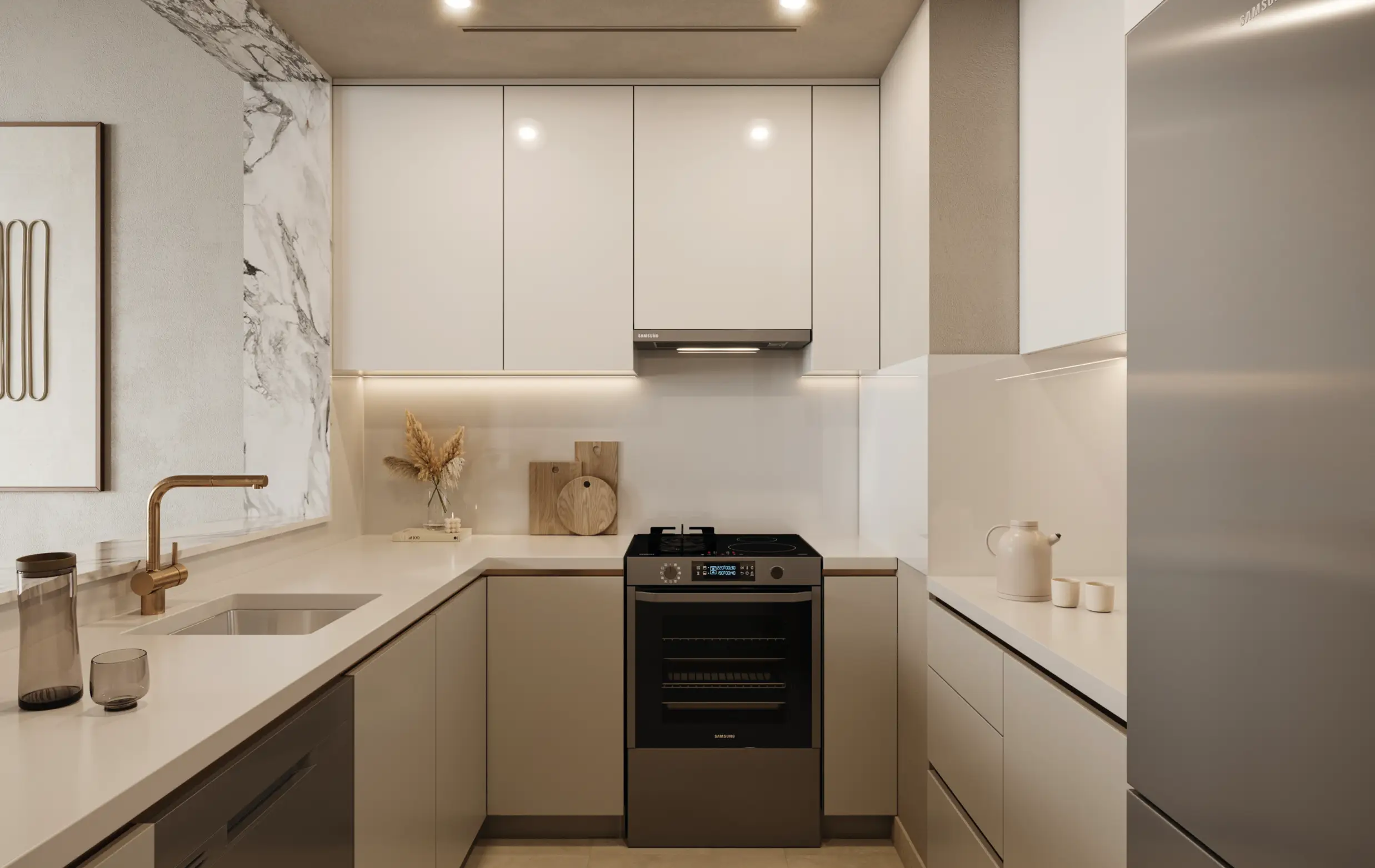
BT PROPERTIES "Cascada 1&2 at Waada" catalogue image in Dubai South. Project marketing illustration; confirm the exact home's condition, specification and availability separately.
Build the cost model from actual evidence
Separate purchase and transaction spending from recurring ownership costs. Request the latest available shared charges and clarify their scope. Add utilities, cooling, insurance where relevant, furnishing, private upkeep, management and finance. Keep material unknowns visible until they are resolved with reliable information or a clearly labelled estimate.
Compare homes over the same period. A property requiring immediate work has a different setup commitment from one that suits the intended use without changes. Obtain quotations for substantial furnishing or repairs. When the home has private outdoor equipment, include maintenance information instead of borrowing an apartment's operating assumption.
Preserve a reserve after completion rather than spending the full available cash on the purchase itself. For a rental strategy, include periods without income and the cost of returning the property to lettable condition. The model should show the owner's ability to handle ordinary uncertainty, not merely the attractive result under uninterrupted occupancy.
Investigate rental demand without assuming an employer base
Employment activity in a wider region can support a research question, but it does not establish demand for every type of home. Describe the prospective resident and the reason they might choose your property. The relevant factors could include a practical workplace route, household space, budget or ease of managing daily needs.
Seek current comparisons matching the building or neighbourhood, property type, size, condition and furnishing. Ask whether the evidence is an asking advertisement or an agreed tenancy and note its date. A luxury apartment, a family townhouse and a smaller furnished unit should not share one assumed rental outcome simply because they are in Dubai South.
Model a range after vacancy and operating costs, then test a slower letting period. Consider what would make the home competitive for the intended resident and which improvements are necessary. Avoid presenting a regional airport or business announcement as proof of a guaranteed rental yield or immediate appreciation for the chosen unit.
Frequently asked questions about Dubai South purchases
Is every Dubai South home close to the same destinations? The wider development contains different locations and residential settings. Verify the exact address and routes to the places you use. A regional map or community label does not establish a convenient journey for every project.
Should future airport plans determine my purchase? They can form part of research, but the property must also work with your current needs, costs and timeframe. Keep future development assumptions explicit and understand how the purchase would perform if anticipated improvements take longer to influence everyday living or demand.
Can a ready property still have development around it? Yes, the home's completion stage and the condition of surrounding plots are separate questions. Inspect the immediate environment and request reliable information about nearby work. Assess any uncertainty against your intended move-in date and tolerance for a changing setting.
How should I compare apartment and townhouse rental strategies? Define the intended resident for each, obtain matching evidence and use the relevant cost structure. Compare setup, vacancy, maintenance and management rather than only the gross rent. The strongest choice depends on the specific property and a commitment the owner can sustain.
Your practical action plan
1. Specify the home type, required date and regular destinations.
2. Map the exact project and test present-day access.
3. Separate current services from future development assumptions.
4. Check condition or off-plan documents and every payment stage.
5. Stress-test setup costs, vacancy and the remaining cash reserve.
Prepare a Dubai South brief with clear limits
State the exact destinations, intended use, property type and timing that your purchase must support. Mark future features separately from current services, and keep payment obligations, inspection evidence and recurring costs together. A disciplined brief helps distinguish a property that fits your plans from one whose case depends on assumptions you have not tested.
Contact Property Gulf to discuss a Dubai South shortlist and request current project-specific information. Share your move-in deadline, preferred home type, commuting needs and cash plan. The most useful next step is a comparison of actual homes, followed by targeted checks that make location, delivery stage and ownership responsibilities clear before you commit.