

Choosing a Dubai Marina apartment means comparing the specific tower and home with the lifestyle you expect to lead. A marina view and nearby restaurants can attract interest, but the everyday experience also depends on lift access, parking, room layout and the route from the building to useful destinations. Those details deserve the same attention as the waterfront setting.
This Dubai Marina buyer guide explains how to evaluate apartments for personal occupation or a rental strategy. Start with Property Gulf's Dubai Marina property page, then investigate the exact homes that meet your brief. Request current availability, condition and commercial terms rather than treating the presentation of an existing listing as final evidence.
What this guide covers
• Understand the promenade and tower setting
• Decide how much waterfront living you will use
• Inspect the view from normal living positions
• Compare tower access and lift operations
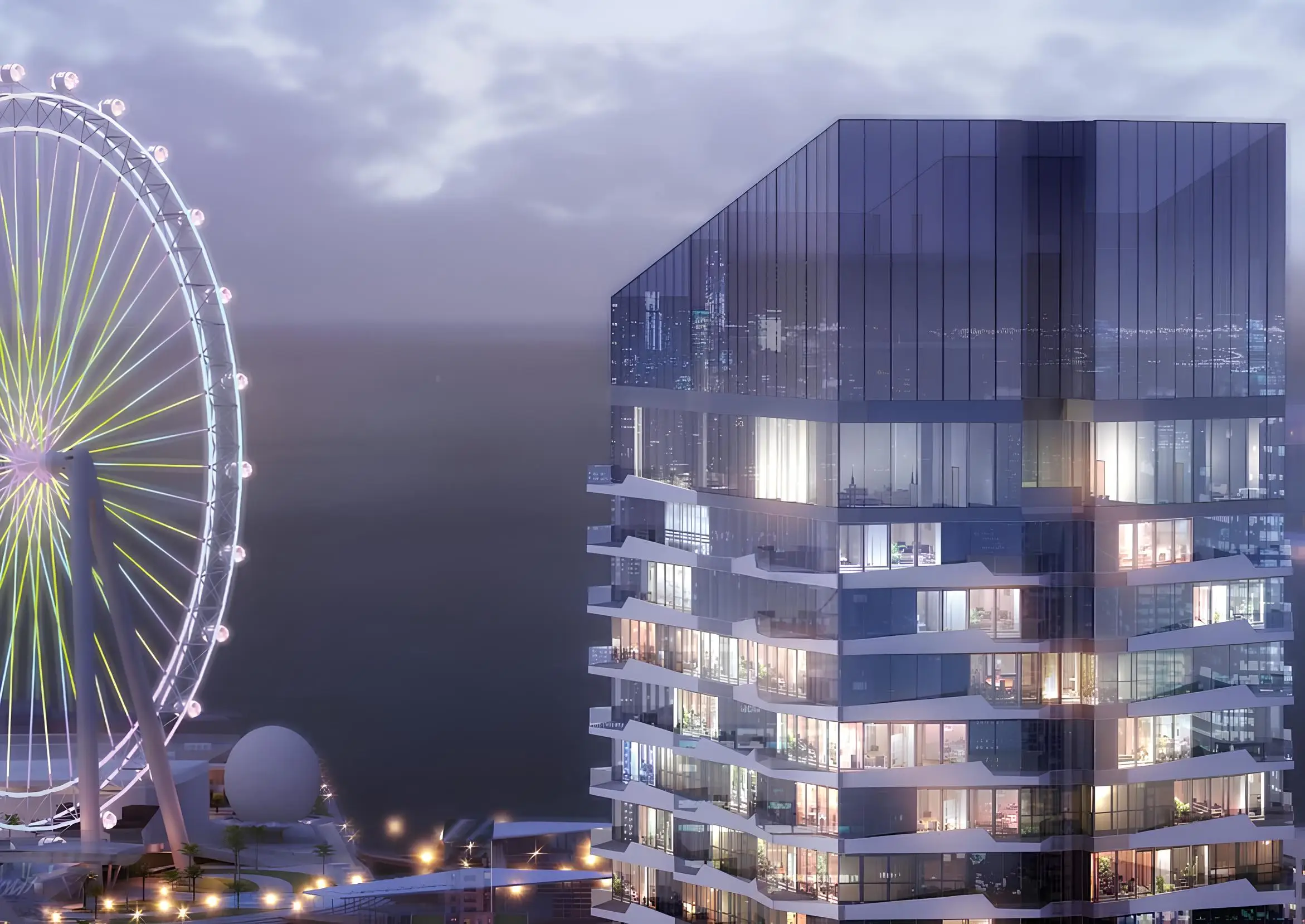
SCOPE INVESTMENT "Stella Maris Tower" catalogue image in Dubai Marina. Project marketing illustration; confirm the exact home's condition, specification and availability separately.
Understand the promenade and tower setting
The official Emaar Community Management overview of Dubai Marina describes the area's waterfront towers and landscaped walking routes. This gives buyers context for the setting. It does not establish a particular apartment's outlook, the quality of its building management or the convenience of its route to the promenade.
Identify the tower's actual entrance and the way residents reach the water. Some attractive photographs show the wider district rather than the immediate surroundings of the home. Ask which route you would take from the apartment and inspect it with the intended occupant's routine in mind.
Keep Dubai Marina and neighbouring location descriptions precise. A property marketed through the area's broad lifestyle appeal still needs an exact address and project identity. Check those details against the plan, quotation and transaction documents. Consistent identification helps prevent assumptions about one building's facilities from being applied to another.
Decide how much waterfront living you will use
Write down what the setting would change in an ordinary week. You might expect to walk after work, meet friends nearby or spend more time outside. Test those activities through the actual route from the building, including lifts, exits and crossings. A useful habit needs to be convenient often enough to become part of daily life.
Consider your preference for activity around the home. An urban waterfront can suit someone who enjoys having destinations nearby, while another buyer may want a more private or quieter routine. Assess the specific apartment at relevant times rather than using a general description to decide how the whole district feels.
For a rental purchase, describe the intended resident's reasons for choosing the location. A convenient commute and a spacious home office are different propositions from a premium view or furnished lifestyle package. The resident brief should guide the choice of building and the comparisons used to investigate achievable rent.
Inspect the view from normal living positions
Ask exactly what the unit overlooks and visit the rooms where the outlook matters. A view can be direct, partial or visible only from the balcony. Stand and sit where the furniture would normally be. This reveals whether the advertised outlook contributes to everyday room use or relies on a particular photography angle.
Look at nearby balconies and windows as well as the water. Privacy, glare and room orientation can affect how comfortable the apartment is throughout the day. A buyer who works near a window should test light on a screen, while someone who enjoys a balcony should consider its depth and exposure.
For an off-plan home, review the unit's floor and position using the specific building plan. Ask what information supports the illustrated outlook and what is known about surrounding plots. Treat artist impressions as illustrations, without interpreting them as a permanent-view guarantee. The premium for an outlook should be assessed alongside its uncertainty and your budget.
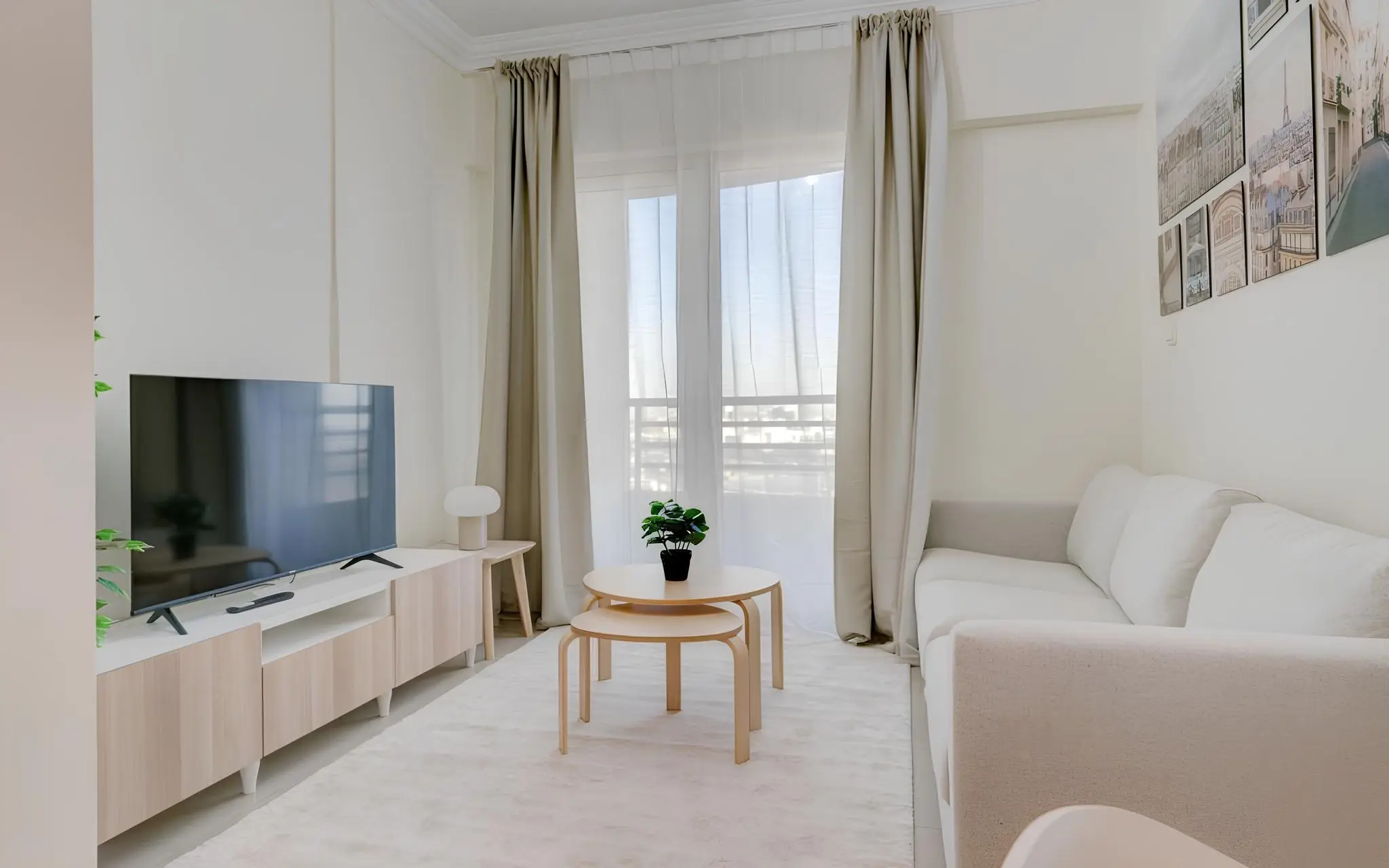
MANCHESTER PROPERTIES "Manchester Tower" catalogue image in Dubai Marina. Project marketing illustration; confirm the exact home's condition, specification and availability separately.
Compare tower access and lift operations
Walk the route from the building entrance to the apartment rather than judging the lobby alone. Observe lift access and waiting at a useful time. Ask whether different uses within the project have separate entrances or share circulation. Those arrangements can influence daily convenience, visitor access and the way facilities are used.
Inspect corridors, access control and common areas for signs of current operating condition. Request the maintenance-reporting process and identify who communicates with owners. A clean viewing is helpful, but written procedures and available information about ongoing work provide a broader basis for assessment.
Consider the needs of the household. A resident who carries equipment frequently, travels with children or has limited mobility may place greater weight on circulation and access. The right tower is not simply the one with the most striking exterior. It is the one whose practical arrangements support the intended occupants repeatedly.
Test the road journey and parking arrangement
Drive to the resident entrance and inspect the allocated parking bay where access is available. Check the ramp, clearance and manoeuvring space, then consider how the vehicle would fit when adjoining bays are occupied. Confirm the allocation in the relevant documents rather than assuming the space shown during a viewing belongs to the sale.
Assess the approach and exit at a relevant time, including the return direction. Look for alternative routes if the usual approach is inconvenient. A single journey does not predict every day's traffic, but it gives better information than a brochure estimate that starts from an unspecified point in the area.
Ask about visitor parking, deliveries and contractor access. For someone who often hosts guests, those arrangements can shape the experience of living in the home. For a remote landlord, they affect repairs and tenant changes. The parking and access checklist helps make these questions part of the initial shortlist.
Check public transport through the full route
If you plan to use public transport, walk to the stop or station entrance you would actually use. Include crossing points, level changes and the route back to the building. An apartment's location within a transport-connected district does not prove that the complete journey is convenient for every resident.
Consult the RTA S'hail journey-planning resource for current connections. Test the route to your own destination and the times you travel. Keep waiting, transfers and the final walk visible, rather than comparing only the time spent inside a train or tram.
Consider a fallback for days when the normal route does not fit the schedule. An occasional taxi or different connection may be practical, but it has cost and time implications. Include those expectations in the household budget if they are likely to recur. A robust location choice should account for ordinary variation in routine.
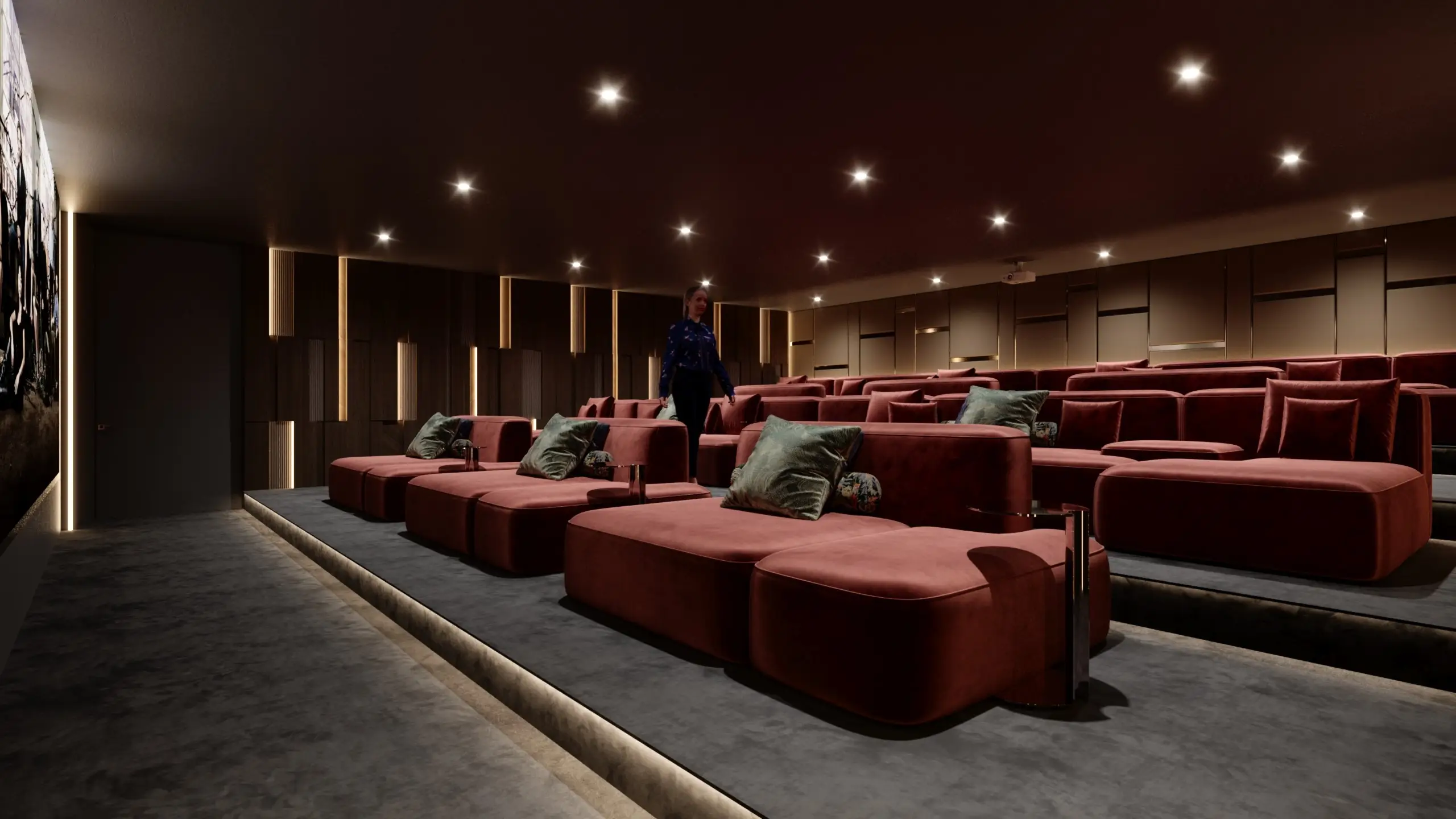
DEVMARK "Kempinski Dubai Marina Residences" catalogue image in Dubai Marina. Project marketing illustration; confirm the exact home's condition, specification and availability separately.
Examine the apartment's usable layout
Request a dimensioned plan and compare indoor space separately from the balcony. Check the main furniture positions, kitchen working area and storage. A room can look spacious in a photograph while offering few usable walls. Consider how the home will function with ordinary belongings and equipment in place.
For a couple or shared household, review bedroom privacy, bathroom access and the separation needed for different schedules. If someone works from home, identify where calls can take place without disrupting the living area. A desk shown in a corner may be adequate for occasional use but less practical for a full working week.
Measure important features during the viewing and note limits when access is restricted. Use consistent furniture dimensions across every candidate. A comparison is more meaningful when it reflects how the same household would use each home, rather than allowing one staged interior to create an impression of extra capacity.
Review the condition of an established apartment
Look beyond decorative finishes to the condition of windows, doors, bathrooms and included equipment. Record visible issues and arrange suitable professional inspection for technical questions. An attractive renovated interior may still require investigation of maintenance history and work that is not visible during a short viewing.
Ask what alterations have been made and what relevant documentation is available. Clarify which appliances and furnishings belong to the sale. The point is to understand the apartment you will receive, including responsibilities and potential setup work, rather than assuming that every item in a photographed interior is included and functional.
Building age should prompt questions, not a blanket verdict. An established tower may have useful operating history, while a newer one may present different uncertainties. Compare current condition, available maintenance information and planned works. These are more informative than deciding that one age category is automatically the best purchase.
Assess amenities and access rules
Inspect the facilities you expect to use. Check opening hours, current operation and any booking or registration requirements. A shared gym, pool or cinema can be appealing when it supports the resident's routine, but the advertised list should not substitute for understanding how access works.
Ask whether any facilities are shared with another component of the development or have separate charges. Confirm rules for guests and the arrangements during maintenance. This is especially useful when a project includes different building uses whose presentation may not explain which residents can access which spaces.
Rank essential services separately from leisure features. Reliable maintenance communication, practical circulation and suitable security may matter more often than a facility used occasionally. Consider the complete operating package and its cost rather than assuming that the longest amenity list creates the strongest value for every buyer.
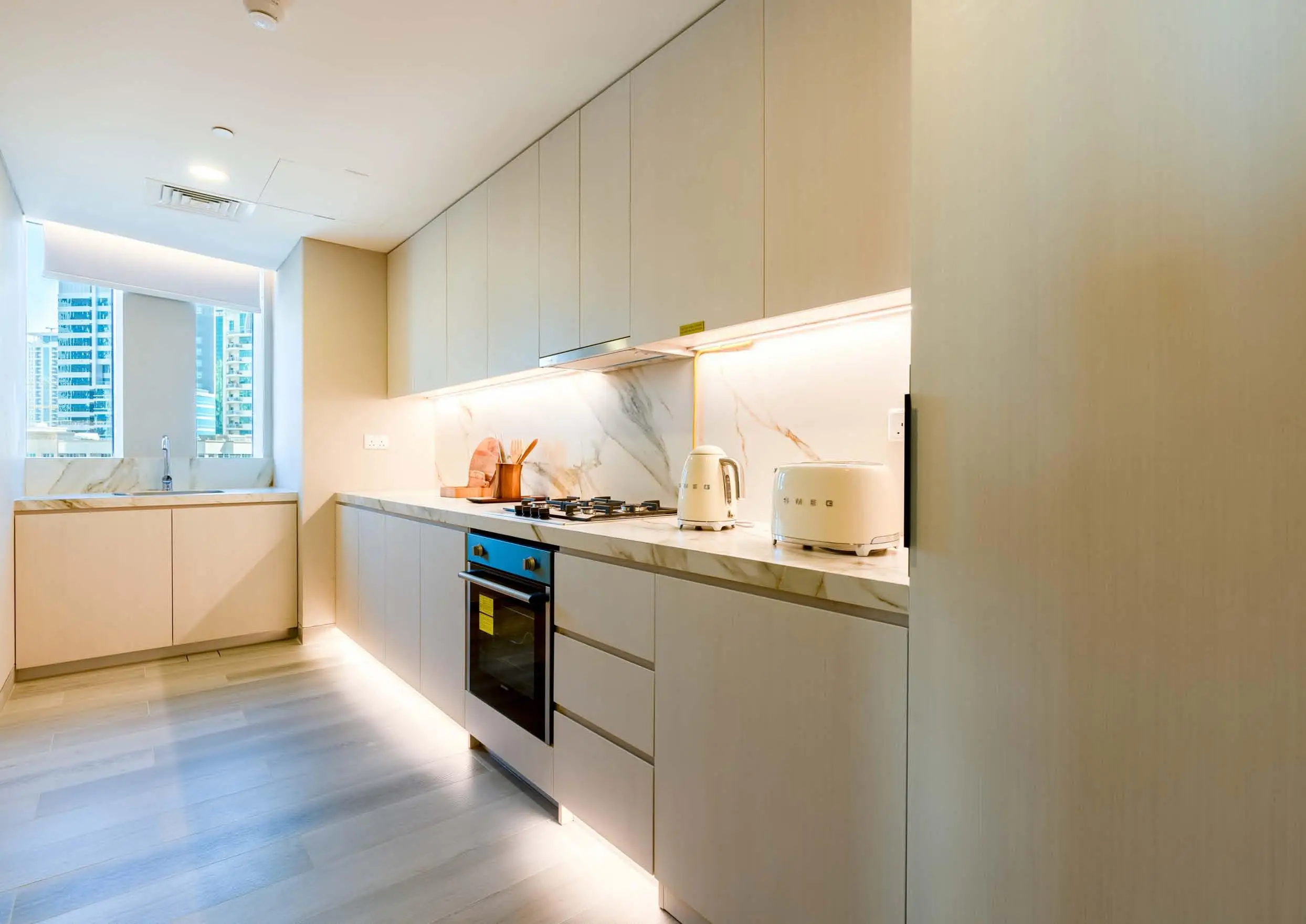
CONDOR "Marina Star" catalogue image in Dubai Marina. Project marketing illustration; confirm the exact home's condition, specification and availability separately.
Calculate a realistic ownership budget
Obtain current evidence for recurring building charges and clarify their scope, applicable area and billing period. Ask about outstanding balances and planned work through the responsible parties. Do not use a broad Dubai Marina average to finalise a specific tower's budget, since costs need to match the home being considered.
Add cooling, utilities, interior maintenance, furnishing and financing where relevant. Seek quotations for material repairs or setup work. Keep estimates clearly labelled and identify the questions that would change them. A complete budget can include uncertainty without hiding it, provided the buyer understands the range of possible commitments.
Use the service-charge ownership guide to organise the evidence. Compare initial expenditure and annual running costs separately, then preserve a reserve after purchase. For a rental home, the budget should remain manageable during vacancy or a repair period rather than assuming constant income.
Review rental evidence at tower level
Start with comparable apartments in the same tower where practical, then widen the search carefully. Match layout, size, floor, outlook, condition and furnishing. Explain differences rather than combining every Marina apartment into one assumed rent. The resident brief should help identify which comparisons are actually relevant.
Distinguish asking advertisements from evidence of agreements and record their dates. An attractive photograph and an optimistic asking figure do not establish the outcome for another unit. If the evidence is limited, model a wider range rather than making the projection look more certain than the information supports.
Deduct management, service charges, vacancy, maintenance and finance from the income model where applicable. For a more intensive rental operation, check permissions and the different workload before using its income examples. The long-term and short-term rental comparison helps keep different operating models from being mixed together casually.
A practical tower comparison example
Imagine two Marina apartments that both meet the bedroom requirement. Home A offers the preferred outlook, while Home B has a more useful work area and a parking route the buyer finds easier. The buyer initially prefers Home A from photographs, but the practical comparison is still incomplete.
They visit at a relevant time, measure the furniture positions and obtain building-specific running costs. They also inspect the current condition and calculate setup work. Home A's view may still justify a premium for this buyer, but that decision should be made with the additional commitment visible rather than based only on presentation.
Record your own accepted trade-offs. If a candidate requires giving up storage, cash reserve or a convenient route, explain why its benefits compensate. A clear decision file helps the agent negotiate around the right issues and reduces the chance of overlooking a recurring inconvenience because the first viewing was visually impressive.
Frequently asked questions about Dubai Marina purchases
Does a Marina address guarantee promenade access? Check the actual route from the tower entrance, including crossings and level changes. The wider area's walking routes do not establish equal convenience for every building. Inspect the journey with the intended resident's mobility and habits in mind.
Should I avoid an established tower? Compare current apartment and building condition, maintenance information and planned work. Age alone cannot settle suitability. An established building may provide more operating history, while a newer one can have different questions about completion and how facilities are functioning.
Is the highest floor always preferable? Floor level affects several features, including outlook, privacy and the lift journey. Assess the actual apartment and your priorities rather than assuming that higher is automatically better. Compare any premium with the usable layout, building costs and reserve remaining after purchase.
Can the view guarantee better rental performance? No individual outcome follows from a view description alone. Seek relevant evidence and compare the entire home, including condition, layout, access and costs. The outlook may support interest, but occupancy and future achieved rent remain assumptions to evaluate carefully.
Your practical action plan
1. Map the tower entrance and the route to the promenade.
2. Test both road and public transport journeys at useful times.
3. Inspect the actual view, privacy, lifts and allocated parking.
4. Review tower upkeep, recurring charges and apartment condition.
5. Rank household fit or rental evidence against the complete budget.
Organise the next viewings around evidence
Keep the tower, actual view, routes, parking, layout, condition and costs together for each candidate. Use a second visit or specialist inspection to answer important unresolved questions. Rank apartments only after you understand what each attractive feature adds to daily use and what commitment comes with it.
Speak with Property Gulf about your Dubai Marina apartment search. Share the intended use, working pattern, transport preferences, move-in date and budget. Request a shortlist that identifies the exact units and remaining checks, so the waterfront setting becomes one well-understood part of an informed property decision.