

Buying in Dubai Creek Harbour involves more than choosing an apartment with an attractive water view. The property's position, the route to useful destinations and the stage of its surrounding development all influence what ownership will feel like. A strong shortlist connects the waterfront setting with the practical experience of the exact home.
This Dubai Creek Harbour buyer guide helps you compare views, layouts, facilities, ready homes and off-plan commitments. It also explains how to examine costs and rental assumptions without turning a masterplan into a promise about an individual unit. Begin with your intended use and timeframe, then collect the evidence needed to decide whether a particular apartment supports them.
What this guide covers
• Understand the waterfront setting precisely
• Choose the view you will actually experience
• Test the waterfront lifestyle on foot
• Compare the phase and its immediate surroundings
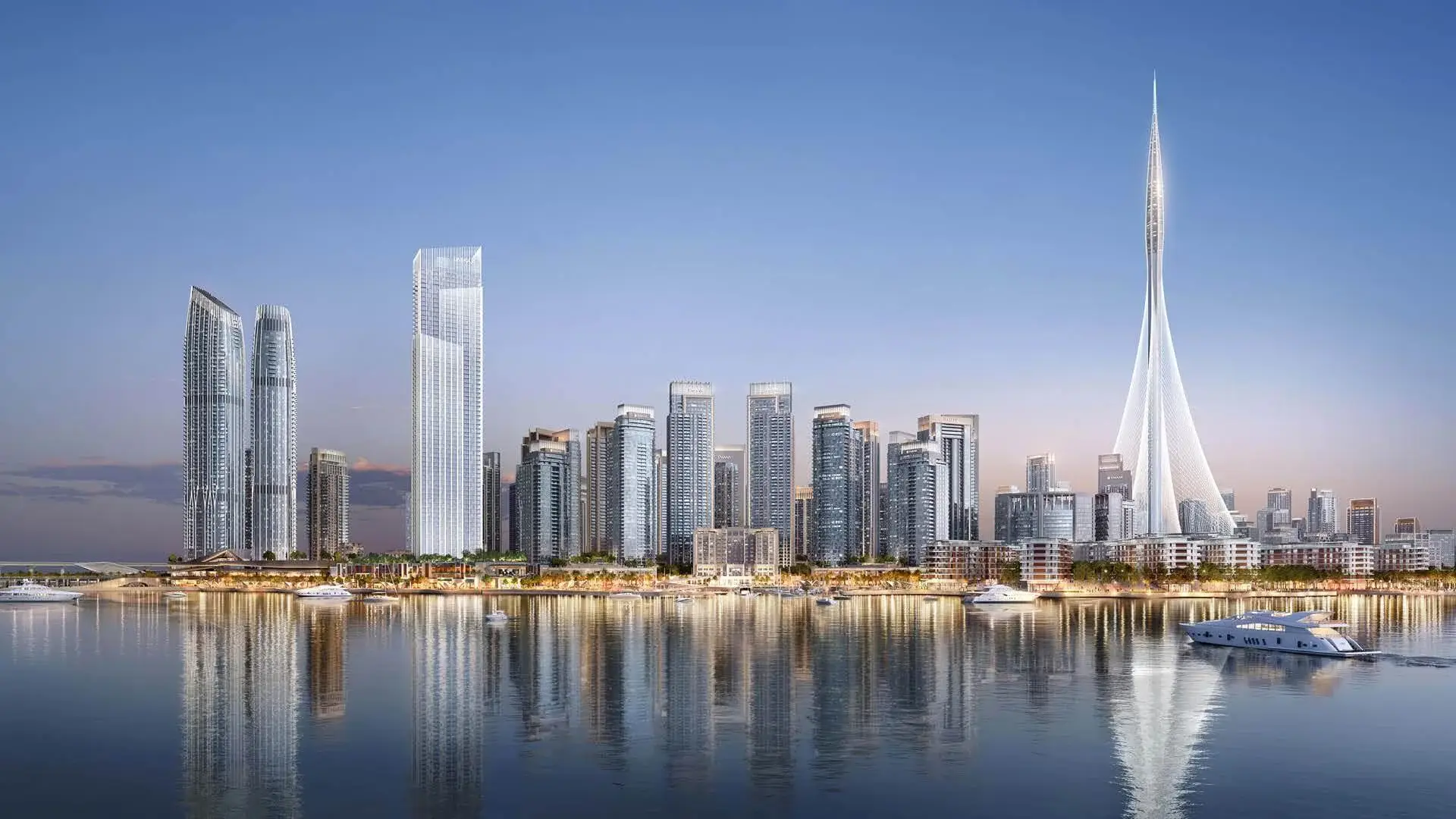
CASA BELLA "Island Park 2" catalogue image in Dubai Creek Harbour. Project marketing illustration; confirm the exact home's condition, specification and availability separately.
Understand the waterfront setting precisely
Emaar Community Management's official overview describes Dubai Creek Harbour's creek-side setting near Ras Al Khor Wildlife Sanctuary. That geographical context helps explain interest in the area. It should not be used to assume that every apartment overlooks the water, has an unobstructed sanctuary outlook or enjoys identical access to local destinations.
Identify the exact project, building and entrance. Ask whether a listing's reference to the master community describes its legal address or a broader marketing position. Carry the same unit and building identifiers through plans, quotations and transaction documents. Precise identification becomes especially useful when several buildings share similar names or belong to different phases.
Distinguish existing features from planned ones. A masterplan may show facilities and a skyline that are not the current surroundings of the property. Request dated project information and visit the site where possible. Use marketing images to understand the proposal, while treating actual condition and availability as separate facts to verify.
Choose the view you will actually experience
Ask the agent to describe the view from the specific apartment rather than from the building generally. Water may be visible directly, at an angle or only from one balcony position. Inspect it from the living room and bedrooms at normal standing and seated heights. Those observations make view descriptions much easier to compare.
Check whether the outlook remains useful with curtains open and ordinary furniture in place. Privacy, neighbouring windows and glare can affect the daily benefit of a dramatic view. A buyer planning to work beside a window should assess screen reflections and room use as well as the scenery visible in a photograph.
For an off-plan home, request the floor, orientation and unit position on the building plan. Ask what information supports the proposed outlook and what remains uncertain about adjoining plots. Do not assume that an artist's skyline establishes a permanent view. The waterfront property buyer checklist provides a practical structure for this review.
Test the waterfront lifestyle on foot
Walk from the apartment entrance to the waterfront route you would use regularly. Include lifts, gates, crossings and any detour around buildings or works. The presence of a promenade in a community is different from a convenient walk from your front door, especially when you plan to use it with children or a stroller.
Visit at the time you would normally go outside. Consider light, shade, wind exposure, seating and the return route with shopping or exercise equipment. Avoid drawing a conclusion from a single photograph taken at an attractive time of day. A practical waterfront habit depends on the route being useful repeatedly.
Ask about access rules where a facility is private or shared by selected buildings. Confirm whether a pool, beach-style setting or landscaped courtyard belongs to the development you are considering. Community marketing can show attractive spaces without explaining allocation. Keep public access, resident access and paid access separate in your notes.

EMAAR "Creek Palace Residences" catalogue image in Dubai Creek Harbour. Project marketing illustration; confirm the exact home's condition, specification and availability separately.
Compare the phase and its immediate surroundings
A completed apartment can still sit beside plots where future work is expected. Look beyond the unit's handover status to the roads, adjoining buildings and facilities that influence daily living. Request reliable information about the surrounding phase, while recognising that construction schedules and opening dates can change.
For an off-plan purchase, ask what is due with the building and what belongs to a later stage of the wider community. A home may be ready before every surrounding destination is operational. Identify which missing features would affect your intended use and what temporary arrangements could be necessary.
Keep your comparison anchored to what can be established today. Planned improvements may support a long-term interest in an area, but they should not be counted as current amenities or guaranteed price growth. If a future feature is essential to your decision, record the source, expected timing and consequences of delay explicitly.
Assess the apartment's internal space
Start with a dimensioned plan and a list of furniture you actually use. Check whether the main living area supports dining, relaxing and work without overlapping circulation routes. A panoramic window can dominate a room visually while limiting where furniture fits, so measure the usable walls as well as the floor area.
Review bedrooms for storage, privacy and bathroom access. Consider how the apartment would work when a guest stays or two occupants follow different schedules. A well-presented show home may remove ordinary belongings to make rooms appear simpler. Plan where suitcases, cleaning equipment and everyday household items would go.
Separate balcony area from indoor space in your comparison. Ask whether the outdoor area provides enough depth for intended furniture and whether its position suits regular use. A balcony may be valuable without compensating for an undersized kitchen or a bedroom that cannot fit the required bed and wardrobe comfortably.
View amenities as a service you will use
Inspect the facilities available to the specific building or phase. Ask whether they are currently operational and whether access depends on registration, booking or a separate membership. A list of amenities should lead to practical answers about what you can use, when you can use it and who maintains it.
Consider the intended resident's habits. A family might value a usable children's space and convenient routes, while another household may prioritise fitness equipment or a quiet room for occasional work. Do not assign equal value to every feature. The strongest package is the one that supports the routine you are buying for.
Check how shared spaces connect to the apartment. A facility several floors away can be convenient, but lift access and opening hours still matter. Ask about visitors, capacity and planned maintenance closures where information is available. These details help explain the real benefit of facilities more clearly than a staged photograph alone.

EMAAR "Montiva by Vida" catalogue image in Dubai Creek Harbour. Project marketing illustration; confirm the exact home's condition, specification and availability separately.
Plan work and school journeys from the exact home
Build a journey list before choosing a preferred building. Include the locations you visit frequently and the times you travel. Test the route from the parking bay rather than the community boundary. For a household with more than one workplace, compare both journeys instead of optimising only the one described in an advertisement.
Use current transport information and an actual route test to evaluate connections. The RTA S'hail journey-planning resource can help you investigate available options. Future transport announcements should be kept separate from services you can use now, with no assumed opening date unless reliably confirmed.
For school planning, confirm the institution, year group, admissions position and route directly. A school nearby on a map may not offer the required curriculum or a current place. Consider how the journey interacts with work and how the household would cope if a different school became necessary.
Establish the complete ownership budget
Request the latest available recurring charges for the actual building and period. Ask what they include, how the relevant area is calculated and whether any balances remain unpaid. Do not estimate a specific apartment's budget solely from another building in the master community, even if the two projects appear similar.
Include cooling, utilities, maintenance, furnishing and finance where applicable. Review windows, air-conditioning equipment and other items through an appropriate inspection rather than assuming that an attractive outlook means low upkeep. Label estimates clearly and gather quotations for material work before relying on them in a cash plan.
Use the Dubai service-charge ownership guide to organise the recurring-cost comparison. Keep initial expenditure and ongoing costs in separate columns. A property that uses more of the purchase budget may still be practical, but the decision should preserve enough reserve to handle ordinary maintenance and interruptions to expected income.
Review ready property and off-plan terms
For a ready apartment, confirm occupancy, possession and inspection access. Ask what condition and included items are proposed at completion, and document visible issues. If an inspection cannot reach an important area, record that limitation. The useful conclusion is what you know about the specific home, rather than what similar apartments usually look like.
For off-plan property, reconcile the quotation with the project identity, written specification and payment milestones. Ask which finishes and appliances are standard, and what the handover process involves. A sample interior explains design intentions, but the contract documents establish the commitments that require review by the appropriate professional.
Match the proposal to your timing and funding. Include temporary accommodation if the home cannot be used when needed, and test how later payments would be funded if circumstances change. Avoid assuming that a low initial instalment means the purchase will remain easy to finance throughout the construction period.
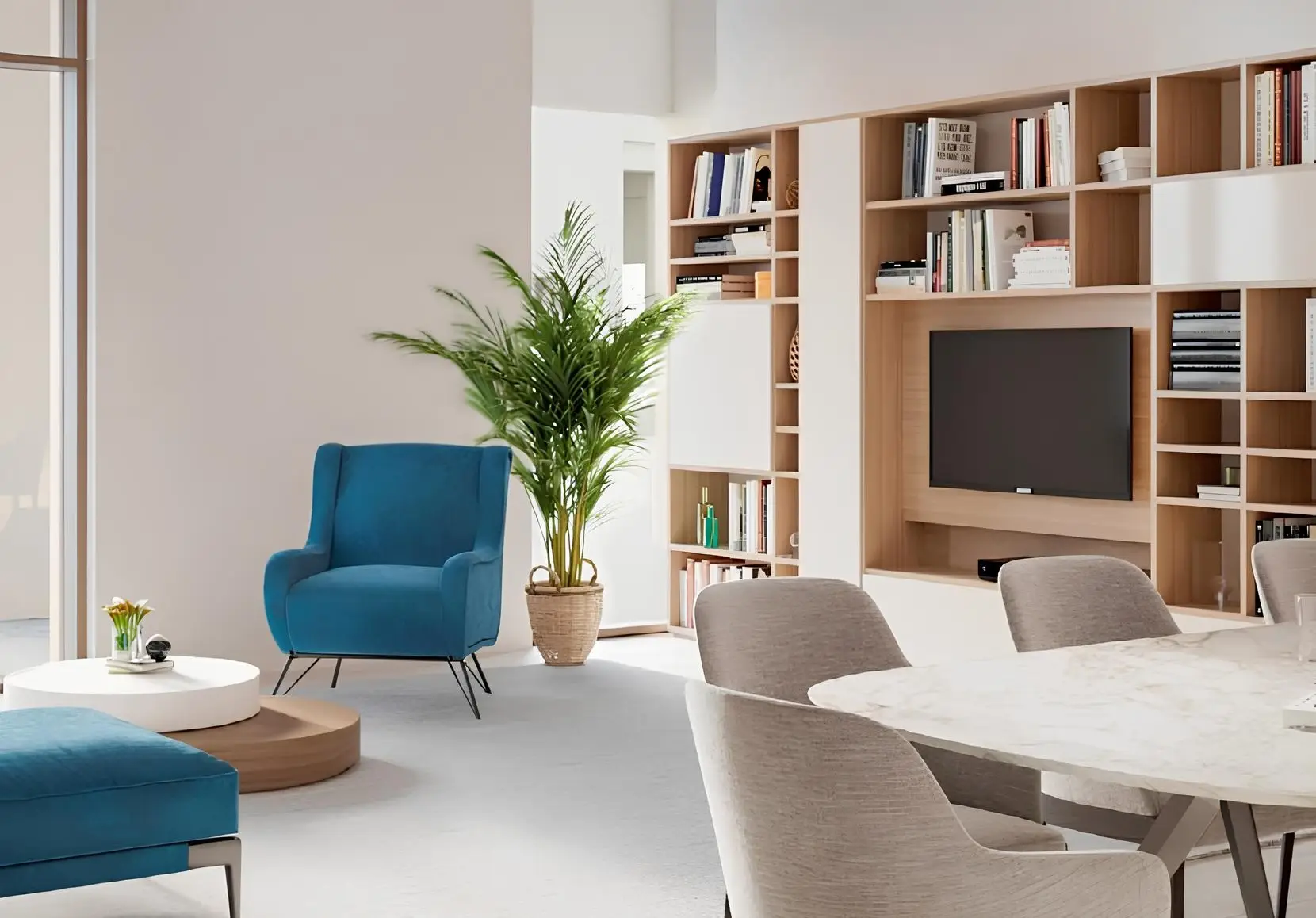
EMAAR "Orchid" catalogue image in Dubai Creek Harbour. Project marketing illustration; confirm the exact home's condition, specification and availability separately.
Examine rental demand at unit level
Define the kind of resident the apartment is intended to attract. An expansive water view, an efficient layout and useful building facilities can support different rental propositions. Request comparisons that match those qualities rather than collecting every advertised apartment with the Dubai Creek Harbour name attached.
Prefer current evidence from similar buildings and homes, explaining differences in floor, outlook, condition and furnishing. Separate advertised asking rents from evidence of agreements. If direct comparisons are scarce, recognise the wider uncertainty instead of presenting a single optimistic figure as though it has been established.
Calculate a range of outcomes after vacancy, management, service charges, maintenance and financing. Explore a longer period before the first tenant and additional setup work if needed. This reveals whether the owner can manage the operating commitment while the apartment is not generating the income assumed in the most favourable case.
A view-premium comparison example
Imagine two apartments with similar internal layouts. Home A has a stronger creek-facing outlook and a higher asking price. Home B has a less dramatic view but a more convenient route to facilities the buyer uses daily. The buyer likes both, so the decision depends on how much practical benefit the additional view premium provides.
They inspect the outlook from normal living positions, check privacy and request the same cost information for each home. They also calculate the reserve remaining after the purchase and setup. If Home A requires sacrificing needed cash flexibility, the premium has an operational consequence that should be considered alongside the scenery.
This example is a method, not a market valuation. Another buyer may place greater value on the outlook or have a different budget. The important step is to make the premium and its trade-offs explicit. Document the basis of your preference rather than assuming that a waterfront description always justifies paying more.
Frequently asked questions about Dubai Creek Harbour
Does every home have a water view? Verify the unit's orientation and actual outlook. Some views can be partial or visible only from certain rooms. For off-plan homes, check the specific plan and the evidence supporting the proposed outlook, while recognising uncertainty around future surrounding development.
Are all community facilities included with my apartment? Access can depend on the specific building, phase and facility rules. Ask which spaces are public, which belong to residents and whether separate fees or registration apply. Confirm the arrangements you need before treating a facility as part of your home's daily benefit.
Should I buy based on future infrastructure? Consider confirmed plans as part of a wider review, while keeping present-day use and costs clear. Do not treat a proposed connection or landmark as an operational service or a promise of appreciation. Understand what happens if the expected feature arrives later than anticipated.
Can a lower-floor apartment be a good choice? Floor level is only one variable. Inspect privacy, daylight, outlook, lift use and price alongside layout and condition. A home on a lower floor may suit some routines well, but its individual strengths and drawbacks should be checked rather than assumed.
Your practical action plan
1. Identify the project, building, phase and exact unit orientation.
2. Inspect the actual outlook and waterfront route.
3. Separate usable facilities from planned features and later phases.
4. Verify the specification, possession or payment commitments.
5. Compare costs and practical alternatives before choosing a premium.
Create an evidence-led waterfront shortlist
Bring together the specific address, phase, orientation, internal measurements, facility access and ownership budget. Plan viewings around the remaining questions and record what has been confirmed. Keep marketing illustrations labelled correctly and avoid allowing an appealing future skyline to obscure the evidence for the home you are considering today.
Contact Property Gulf with your Dubai Creek Harbour requirements, including intended use, move-in deadline, layout preferences and view priorities. Ask for a comparison of specific properties with current availability and costs reconfirmed. The next step should clarify the exact apartment's daily usefulness and financial commitment, so the waterfront setting supports an informed purchase rather than replacing one.