

Dubai building amenities can make daily life more convenient, but their value depends on access, operation, condition, and your own routine. A long brochure list does not establish how useful the facilities will be to a particular resident. A small, well-managed facility that you can use regularly may contribute more to your home than a dramatic feature with limited practical access.
Begin with the activities your household wants to support, then inspect the actual facilities and ask for current operating rules. This guide explains how to compare building amenities without assuming that more features automatically justify a higher price or produce better investment returns. Keep the amenities assessment connected to the exact unit, building costs, and intended use of the home.
What this guide covers
• Separate essential facilities from occasional attractions
• Confirm access for the exact unit
• Visit during realistic operating periods
• Inspect condition and maintenance evidence
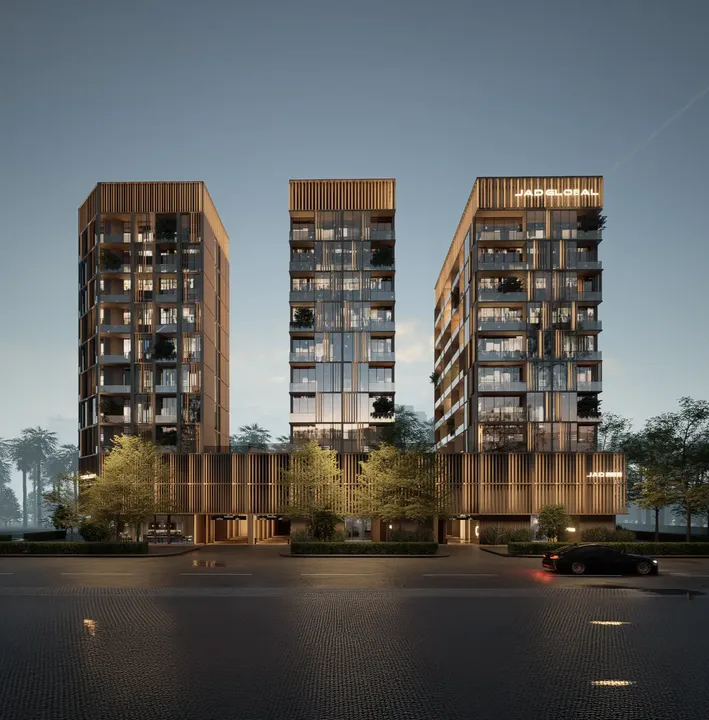
JAD 288 architectural visualization from the existing Property Gulf library. Shown as an example of project marketing imagery, not proof of delivered condition or availability.
Separate essential facilities from occasional attractions
List the facilities you would use during an ordinary week. Include the time of day, likely duration, and who would use them. A regular morning exercise routine, an occasional visitor meeting, and a weekend swim create different requirements. Your shortlist should reflect these activities rather than a generic description of a luxury lifestyle.
Mark each facility as essential, useful, or optional. An essential feature should be checked early, because its absence may eliminate the property regardless of other attractions. Optional facilities can still add enjoyment, but they should not conceal a weak layout, an inconvenient commute, or an uncomfortable ownership budget.
Compare amenities with alternatives you already use. If you prefer a particular external activity, the building version may have limited relevance. Keep any alternative cost or journey in the practical comparison. You do not need to assign a monetary value to every feature, but explain why it matters to your actual household.
Confirm access for the exact unit
Ask which facilities the unit's occupants can access and how entitlement is established. The fact that a development includes a facility does not prove that every building, phase, or occupancy arrangement uses it on identical terms. Obtain the current rule from the responsible management entity rather than relying only on a broad community brochure.
Check whether registration, cards, reservations, separate payments, or other procedures apply. Ask how a new owner or tenant receives access and how replacements are handled. A facility visible during a viewing may still require an administrative step before ordinary use. Put that step in your move-in checklist.
Clarify guest access where relevant to your plans. A room that would be useful for visiting relatives or a social occasion may have restrictions that affect its practical value. Keep permitted use separate from the activity you hope to arrange. The responsible manager should explain the applicable process before you rely on it.
Visit during realistic operating periods
Observe facilities at the times you expect to use them. A midday tour can look very different from an evening period when more residents are present. Record the day, time, and conditions. One visit is still a limited observation, so arrange a follow-up if capacity or timing could determine your choice.
Ask for current opening hours, maintenance closures, booking arrangements, and any seasonal changes. Compare those rules with your routine. An attractive gym has little practical benefit if it cannot be used during your available hours. A communal room may be useful if the reservation process supports the events you intend.
Distinguish current operation from proposed operation. A new building can show completed spaces before every service is fully available. Request the relevant management information and retain uncertainty where the start date remains unconfirmed. Your choice should remain understandable under the conditions you can verify now.
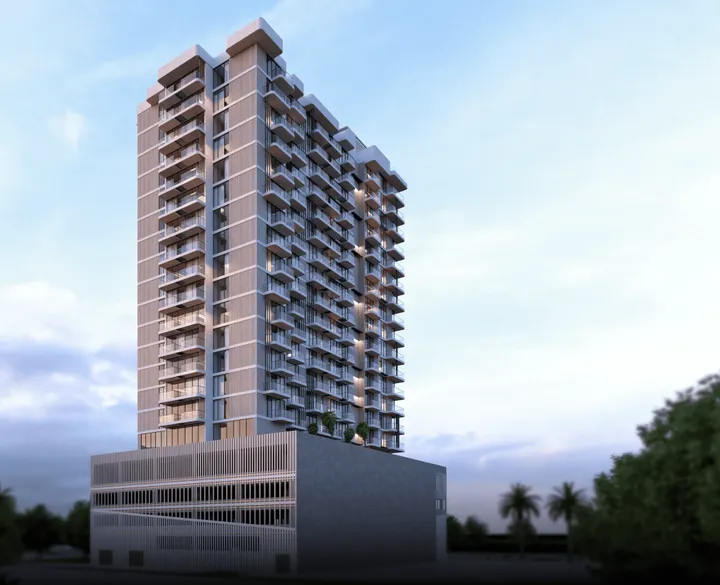
TETR1S Tower architectural visualization from the existing Property Gulf library. The actual unit, specification and current project status require separate verification.
Inspect condition and maintenance evidence
Look at cleanliness, visible wear, signage, equipment condition, and the route to the facility. These observations help form questions but do not replace specialist safety or technical assessment. If a particular concern affects your decision, ask the responsible entity for relevant information or arrange appropriate professional advice.
Ask how problems are reported and who follows up. A useful operating system makes faults, closures, and repairs visible to residents. Request clarification of a visibly unavailable item rather than assuming it is either permanently unusable or guaranteed to reopen immediately. The answer should distinguish current facts from expected work.
Consider maintenance accessibility and the facility's future operating commitment. Large equipment and elaborate features require an understandable service arrangement. This does not make them poor choices; it means the costs and processes deserve attention alongside the photographs. Ask what documentation can reasonably be supplied for the building you are considering.
Assess practical capacity and shared use
Observe how the available space supports ordinary use. The number of machines, seats, lockers, or bookable rooms matters in relation to actual access and demand. Avoid claiming a particular resident-to-facility ratio unless reliable information supports it. A visual impression can identify a question without establishing the full capacity picture.
Ask how queues, reservations, and time limits are handled where applicable. A clear system can make a modest facility useful, while unclear shared use can make an impressive facility inconvenient. Compare the procedure with the flexibility of your routine. Some residents can choose quiet hours; others have only one narrow window.
Think about simultaneous household use. If two people need the same facility during a busy period, ask whether the arrangement remains workable. Keep the answer specific to the activity and operating rules. A general statement that residents enjoy the amenities does not settle your own access requirement.
Evaluate work, meeting, and social spaces carefully
If a building advertises shared work areas, inspect the furniture, practical connectivity, noise, privacy, and reservation process. A comfortable lobby seat is not necessarily a suitable place for confidential calls or long working sessions. Match the space to your tasks and any professional obligations concerning information or visitors.
Ask whether social or meeting rooms have charges, deposits, booking limits, or use restrictions. Confirm the current process with management before treating a facility as an alternative to an external venue. Consider cleanup, access, and the number of people permitted through the actual arrangement.
Keep residential suitability separate from authorization for an intended business activity. A shared room's physical availability does not establish permission for every type of work or event. Where the use raises licensing or contractual questions, obtain relevant professional and official advice rather than relying on the amenity label.
Consider the route between home and facility
Walk the actual route from the apartment to the facilities you care about. Look at doors, lift changes, outdoor sections, and access control. A feature in another building or phase may still be useful, but the daily journey should be part of its assessment. Brochure proximity rarely describes every step.
Consider how the route works with equipment, children, visitors, or mobility needs relevant to your household. If accessibility is important, review the journey with the person affected and seek suitable specialist guidance where necessary. A broad entrance or attractive corridor photograph cannot establish complete suitability.
Ask how deliveries or equipment moves to a booked room are arranged if that matters to your intended use. Keep operational contacts with your resident information. The route and procedure often determine whether a facility becomes part of your ordinary routine or remains something you rarely use.
Illustrative property-planning scene from the Property Gulf media library; not a photograph of a unit offered for sale.
Connect amenities with operating costs
Obtain applicable building cost information and ask what services it covers. Do not assume that all amenity expenses are separately itemized or that every facility is included without additional payment. The relevant manager should explain the available breakdown and any separate charge structure.
The DLD Service Charge Index supports checking relevant approved building charges. Match the project and year to the property and obtain clarification of the charge basis. Keep unit expenses, utilities, and optional services separate in your ownership budget.
Read the service-charge guide alongside your amenities notes. An expensive building may still suit your household if the complete services and home fit your needs. A lower charge may be preferable if it reflects an arrangement you can use comfortably. Avoid deciding value from cost alone.
Compare current buildings with proposed new projects
For a completed building, inspect actual spaces and review current operating information. For an unfinished project, examine documented specifications and contract terms alongside the visualizations. Identify which details remain uncertain. A render can explain the design concept without establishing future operating hours, management quality, or practical demand.
Ask whether the illustrated facility belongs to the building, a wider community, or a proposed later phase. Keep delivery expectations for the apartment and surrounding facilities distinct. If a particular amenity is central to your choice, seek qualified advice on the documents that describe it and the implications of unresolved information.
The ready versus off-plan guide explains why the evidence differs between those purchase types. Compare uncertainty openly rather than assigning the completed and proposed facility the same confidence simply because their marketing images look similar.
Review investment claims with relevant rental evidence
A facility can support tenant appeal without creating a guaranteed rental premium. Identify the intended resident and compare relevant units with similar condition, layout, location, and operating costs. Ask your advisor which evidence supports a claimed rent difference and whether other property characteristics could explain it.
Keep gross rent separate from net cash. A higher assumed rent may be accompanied by greater shared costs or management commitments. Use the cash-flow model to assess the complete arrangement. Mark estimates clearly and test a case where the expected premium does not appear.
Amenities should also fit your holding and management plan. A property with specialized shared facilities may attract a particular resident profile, but you still need understandable operation and a realistic reserve. Avoid selecting an investment solely because a facility looks distinctive in marketing materials.
A hypothetical comparison of two buildings
Imagine a resident who exercises before work and occasionally needs a quiet shared space for a short administrative task. Building A has a larger facility list, but the relevant exercise space opens after the resident normally leaves. Building B has fewer features, with operating hours and access that match the routine. The useful comparison is practical use rather than the number of brochure icons.
The resident inspects condition, asks about maintenance and costs, and tests the route from the apartment. Building B may fit better even though its marketing is less dramatic. Another household with different hours may reach a different result. The record should explain the activity, access evidence, and trade-off so the decision remains understandable.
If either building's operating information is incomplete, the resident asks a targeted follow-up instead of filling the gap with an assumption. A reasonable shortlist can retain the option as uncertain while awaiting clarification. This gives facilities the appropriate weight without letting them displace the apartment's basic suitability.
Illustrative buyer-comparison scene from the Property Gulf media library.
Review how facility changes are communicated
Ask management how closures, repairs, booking changes and new rules are communicated to residents. A facility can be useful while occasionally unavailable for maintenance. The operating value depends partly on whether residents receive understandable notice and a practical way to ask questions. Record the contact and normal information channel rather than depending entirely on an informal conversation during the viewing.
If a facility is central to your decision, ask for current written clarification of its status. Keep an estimated reopening or service change distinct from completed operation. A follow-up can resolve uncertainty without requiring you to assume the worst or accept a favourable promise as fact. This approach gives the amenity appropriate weight in the comparison while preserving a realistic account of what the resident can use now.
Frequently asked questions about amenities
Does a longer facility list justify a higher price?
Only your complete property comparison can answer that. Assess practical use, access, condition, costs, and the rest of the home. Quantity alone does not establish value for a particular household or investment plan.
Can tenants use every owner facility?
Confirm entitlement and rules for the exact occupancy arrangement through the responsible manager. Do not assume identical access without evidence. Include registration, cards, bookings, and separate charges in your move-in plan.
Can proposed amenities be treated like completed ones?
Keep the evidence and uncertainty distinct. Review the documented specification and relevant terms for a proposed facility, and inspect actual operation for a completed one. Marketing illustrations do not establish every future operating detail.
Will amenities guarantee stronger rental income?
No. Use relevant rental evidence and complete operating costs. Facilities may influence resident appeal, but layout, location, condition, price, and management also matter. Keep any forecast labelled and test weaker assumptions.
Your practical action plan
1. List facilities your household would actually use.
2. Inspect current access, condition and operating hours.
3. Check capacity, booking rules and any separate charges.
4. Review the relationship with building operating costs.
5. Compare practical usefulness rather than brochure quantity.
Choose facilities around your actual routine
Use the viewing checklist to assess the full property, then request a shortlist with relevant building amenities. Describe the activities and hours that matter so the recommendations can explain practical access as well as attractive features.