

A Dubai apartment viewing checklist helps you answer a practical question: will this particular home work when you live in it? The apartment may look attractive online, yet the route from parking, the sound outside a bedroom, or the position of a washing machine can change the decision. A viewing is your opportunity to connect the advertised description with the exact unit and the building around it.
Use the first visit to identify suitability, then arrange specialist checks where condition or systems require expertise. This guide covers a normal buyer or tenant viewing, rather than a technical building survey. Record what you can observe, what needs documentation, and what remains untested. That distinction makes your notes more useful when comparing homes and prevents a quick tour from becoming an assumed guarantee of quality.
What this guide covers
• Prepare a short brief before arriving
• Follow the journey from street to front door
• Inspect room usability with your own furniture
• Check light, outlook, and privacy separately
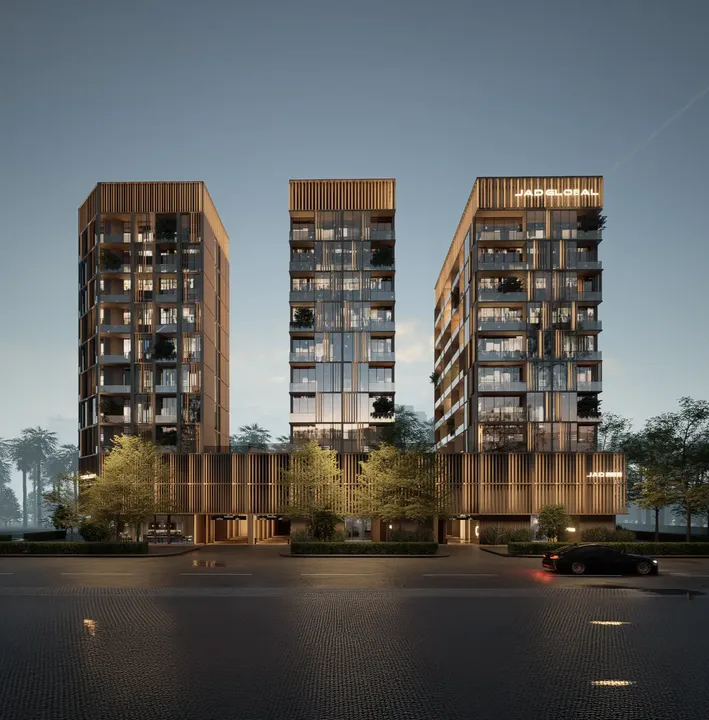
JAD 288 architectural visualization from the existing Property Gulf library. Shown as an example of project marketing imagery, not proof of delivered condition or availability.
Prepare a short brief before arriving
Write down your three essential requirements and three preferences. Essentials might include a workable commute, a bedroom that accommodates your existing furniture, and convenient access for a family member. Preferences might include a particular view or a larger balcony. A clear brief stops attractive staging from displacing the reasons you started looking. Share the essentials with your advisor so the viewing can focus on the questions that could actually eliminate the unit.
Bring a tape measure, your furniture dimensions, a charged phone, and permission to take photographs. Ask whether the apartment is occupied and which rooms or storage spaces will be accessible. Respect residents' privacy and avoid recording personal possessions unnecessarily. Confirm the unit number and whether the photographs in the listing show this apartment. A tour of a similar layout can explain the building, but it cannot establish the condition, outlook, or specification of the unit you intend to acquire.
Allow enough time to inspect the building approaches as well as the rooms. A tightly scheduled sequence of viewings can turn every visit into a hurried impression. Leave space immediately afterwards to write notes before the next property changes your memory.
Follow the journey from street to front door
Approach the property through the entrance you would normally use. If you drive, inspect the route from the allocated parking area. If you often arrive by taxi or on foot, look at drop-off arrangements and pedestrian access. Observe doors, corridors, lifts, and wayfinding. A polished main lobby may have little connection to the daily route from a distant parking bay or a service entrance.
Ask how deliveries, furniture moves, visiting relatives, and maintenance contractors enter the building. Check whether access cards are needed at several points and how replacements are obtained. These are operational questions, so seek the building management's current written procedure where possible. A salesperson may describe what usually happens without knowing the rule applicable to your building or floor. Record the contact responsible for clarifying anything important to your household.
Observe lift waiting and crowding without treating one visit as a complete measurement. If the journey seems difficult, revisit at a time relevant to your routine. Someone leaving for work early may experience different conditions from a resident arriving during a busy evening.
Inspect room usability with your own furniture
Measure the spaces that matter most: the bed position, dining area, sofa wall, desk location, and storage clearances. An attractive show arrangement can use smaller furniture than yours. Open doors and cupboards with permission and consider their movement when furniture is in place. A room that technically fits a bed may still leave inconvenient access to a wardrobe or a narrow route to the bathroom.
Walk the apartment as though several people are using it. Consider carrying groceries from the entrance, setting a dining table, and moving laundry to its drying location. Look for places where activities conflict. A kitchen passage used by everyone may become awkward when someone is cooking. A desk in the living room may be acceptable for occasional work but unsuitable for daily calls while another person watches television.
Keep notes in terms of use rather than labels. Write that the bedroom fits your bed with a clear route on both sides, or that the dining table would block a cupboard. These observations are easier to compare than simply describing rooms as spacious or small. Read the floor-plan guide alongside your measurements.
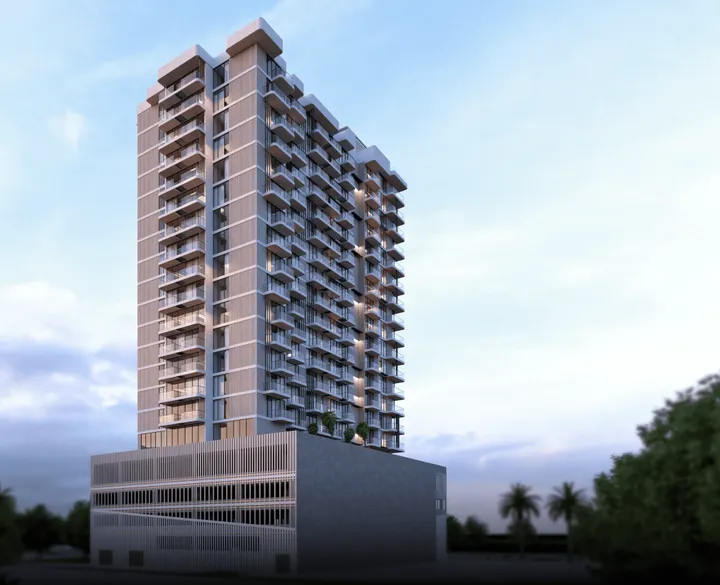
TETR1S Tower architectural visualization from the existing Property Gulf library. The actual unit, specification and current project status require separate verification.
Check light, outlook, and privacy separately
Natural light and a pleasant view are related but different qualities. A bright room can overlook a close neighbouring window. A wide outlook can sit behind deep shade. Record the viewing time, which blinds were open, and whether artificial lights were on. Ask for another visit if daylight is central to your decision. Photographs alone rarely communicate how light moves through a home during your normal hours.
Stand where you expect to sit, sleep, or work and inspect the outlook from that position. Do not assess privacy only from the centre of an empty room. Look at nearby terraces, corridors, and opposing windows. Avoid photographing other residents. If surrounding land or neighbouring construction may affect the outlook, ask for current documented information and distinguish it from a sales prediction about what will happen in future.
Check how blinds or curtains can be fitted and whether the glazing or door arrangement restricts furniture placement. A panoramic window can be attractive while reducing the available wall space for storage. Your decision should acknowledge both qualities instead of assuming that a better view improves every part of the layout.
Listen before discussing finishes
Pause conversation in each bedroom and in the living room. Listen with windows closed and, where appropriate, open. Notice road sounds, nearby mechanical equipment, corridor activity, and neighbouring operations. Record what you heard and where. A quiet viewing does not establish permanent silence, particularly when the building is partly occupied or a nearby activity operates at different hours.
Ask about current works in the building and nearby sites. If noise sensitivity matters, schedule a second visit during the hours when you need rest or focused work. Consider the apartment's position relative to lift lobbies, refuse rooms, plant spaces, and leisure facilities. These features do not automatically create a problem, but their proximity gives you specific questions to investigate. Separate personal tolerance from claims about technical sound insulation, which may require expert assessment.
Compare homes under reasonably similar conditions. A weekend morning in one building and a weekday evening in another are imperfect comparisons. Keep the time difference visible in your notes and resolve the most important uncertainty before treating one option as clearly quieter.
Observe condition without performing unsafe tests
Look for visible stains, damaged finishes, loose fittings, uneven doors, or signs that a recent repair needs explanation. Photograph relevant observations with permission and identify the room. Ask when the unit was last maintained and what records are available. A freshly painted surface may simply be routine preparation; it should prompt a question rather than an automatic conclusion about concealed damage.
Request demonstrations of normal controls where the property is connected and the responsible person agrees. Do not open electrical panels, dismantle equipment, climb onto unsafe surfaces, or conduct specialist tests yourself. If the cooling system is not operating or a room cannot be accessed, mark that item as untested. A property inspection by an appropriate professional may be worthwhile when you are close to commitment, especially where visible issues or unclear maintenance history affect your confidence.
Distinguish decorative preferences from functional concerns. Replacing a colour scheme is a different decision from investigating moisture or equipment performance. A concise issue list should identify the observation, the evidence requested, the proposed next step, and the person expected to answer it.
Understand the building's actual operating arrangements
Ask which facilities are available to this unit, when they operate, and whether separate charges or booking rules apply. Inspect the facilities you would realistically use rather than assuming every item in a brochure is included. Look at cleanliness, practical capacity, and access. An attractive gym that is unavailable during your preferred hours may have little value for your household.
Discuss pets, moving permissions, maintenance access, visitor arrangements, storage, and any intended changes to the apartment with the relevant management contact. Request the current rules instead of relying on a general statement about Dubai buildings. If you are buying, include verified ongoing costs in the comparison. The DLD Service Charge Index is a useful official reference for checking applicable approved building charges.
Separate services delivered by the building from services arranged individually. A reception desk does not necessarily provide parcel storage or in-unit maintenance. Write down who handles each need and how a resident submits a request. Understanding the operating system can reveal practical differences between otherwise similar apartments.
Illustrative property-planning scene from the Property Gulf media library; not a photograph of a unit offered for sale.
Use a comparison sheet with evidence and unanswered questions
After each viewing, score your essentials and write a short explanation for each result. Include the unit identifier, visit date, advertised price checked with the advisor, furniture measurements, and the most important unresolved question. A score without an explanation is difficult to revisit later. Two apartments may receive the same score for storage while providing very different arrangements for a growing family.
Keep seller statements separate from your observations. For example, you may have observed one allocated bay, while the advisor says an additional space is available. The second statement needs confirmation before entering your decision as an established benefit. Similarly, a maintenance promise should identify what will be done, by whom, and how completion will be checked. Your comparison becomes stronger when uncertain benefits remain visibly uncertain.
Return only to the strongest candidates with targeted questions. A second viewing should resolve something specific, such as evening noise, appliance space, or the parking route. This uses your time more effectively than repeating the same tour and hoping a different emotional impression will settle the decision.
Inspect storage where your possessions will actually go
Open the available cupboards with permission and measure the useful depth rather than only the door width. Look for shelves that can hold the items you own, space for suitcases, and a practical position for cleaning equipment. Decorative staging often removes everyday possessions, making limited storage less obvious. Imagine the apartment on an ordinary evening with shopping bags, shoes, laundry, and sports equipment present. A home should remain workable without depending on every object being permanently hidden elsewhere.
Check whether additional storage shown during the viewing is included in your arrangement. A shared room, locked cupboard, or parking-area enclosure may have separate allocation rules. Request confirmation before assigning it a value in your comparison. If you plan to add wardrobes or shelving, measure the proposed position and ask about permission or installation restrictions. Include the cost and the effect on room circulation. A storage solution that blocks a door or reduces the workspace may solve one problem by creating another.
Ask for an answer to each important follow-up
Send your advisor a short numbered list after the visit, separating requests for documents from requests for another inspection. State why each answer matters. For example, confirmation of appliance inclusion affects your setup budget, while an evening revisit addresses a noise question. Set a realistic response date and keep the replies beside your comparison sheet. When an answer remains incomplete, retain the uncertainty rather than replacing it with a favourable assumption. This gives your next viewing a purpose and helps the advisor arrange the evidence that will genuinely influence your choice.
Frequently asked questions about apartment viewings
How long should I allow for a viewing?
Allow enough time for the unit, your normal access route, relevant facilities, and a short written review afterwards. The appropriate duration depends on size and access. If the appointment cannot accommodate essential measurements or questions, arrange a focused follow-up before making a commitment based on an incomplete tour.
Can a viewing replace a technical inspection?
A normal viewing helps establish suitability and visible condition. It cannot establish the performance of every system or diagnose concealed defects. Use a qualified inspector when technical concerns or the stage of your purchase warrant it, and understand the scope and limits of that inspection.
What if the apartment is occupied?
Arrange access respectfully through the responsible contact. Ask what can be inspected and whether photographs are permitted. Record inaccessible areas and arrange further evidence where necessary. Occupancy also affects possession planning, so clarify the actual transaction and handover arrangements through the appropriate documents rather than drawing conclusions from the visit.
Should I photograph everything?
Photograph details that help your decision, with permission and respect for personal information. A labelled set of room dimensions, condition observations, and relevant outlooks is usually more useful than hundreds of unorganized pictures. Keep private resident possessions and documents out of your records whenever possible.
Illustrative buyer-comparison scene from the Property Gulf media library.
Your practical action plan
1. Confirm the exact unit and prepare essential requirements.
2. Inspect the route from arrival to the apartment.
3. Measure furniture positions and review light, noise and privacy.
4. Record visible condition and untested systems.
5. Send a targeted follow-up list before the final shortlist.
Turn the viewing into a decision you can explain
The strongest apartment choice fits your routine, has understandable operating costs, and leaves important questions resolved. Use your notes to compare specific homes rather than judging only their staging. For broader location questions, read the neighbourhood selection guide. Then request viewings for a focused shortlist, sharing your essential requirements and any condition checks you want arranged.