

An Al Furjan property search should begin with the kind of home and routine you need, then move to the exact address. An apartment, townhouse and villa can all provide useful options, but they involve different layouts, access arrangements and maintenance responsibilities. The community name alone cannot settle which option creates the right balance for your household or rental plans.
This Al Furjan buyer guide explains how to compare property types, assess the location within the community and investigate the complete ownership commitment. It is designed to help you prepare targeted viewings and questions. Start with your required move-in date, regular destinations and sustainable budget, then test whether a particular property supports them through evidence rather than general lifestyle descriptions.
What this guide covers
• Understand the community and its different settings
• Decide which property type fits the household
• Test transport from the actual entrance
• Check shopping, schools and daily services

MIRA DEVELOPMENTS "Trussardi Residences Phase 1" catalogue image in Al Furjan. Project marketing illustration; confirm the exact home's condition, specification and availability separately.
Understand the community and its different settings
The official Dubai Holding Community Management Al Furjan page describes the community's villas and townhouses, surrounding road access and resident facilities. It also provides routes to community services. This is useful context for research, while the facilities, procedures and charges attached to a particular apartment building or home require separate confirmation.
Identify the exact neighbourhood, project, plot or building before comparing offers. Ask which entrance residents use and where the allocated parking is located. A broad Al Furjan location reference can conceal differences in walking routes and road access that matter repeatedly. Map the home rather than a general community centre point.
Keep the master community and individual development distinct in the purchase file. A document explaining shared community services may not answer a question about a private building's lifts or apartment charges. Ask who is responsible for each issue and maintain consistent property identifiers across the floor plan, quotation and proposed transaction documents.
Decide which property type fits the household
Start with the way the household uses space. An apartment can provide rooms on one level and shared-area management. A townhouse can offer separation between living areas and bedrooms, while a villa may provide a different level of flexibility around private outdoor space. The actual plan matters more than a broad assumption about any type.
Consider stairs and accessibility early. A family may welcome separate levels while still needing a practical room arrangement for a visiting relative or someone with reduced mobility. Inspect routes between bedrooms, bathrooms and shared rooms. A bedroom count does not explain how easily people can use the home throughout the day.
Think about the maintenance you are willing to manage. Private garden space can be valuable, but it introduces work and spending that differ from shared apartment facilities. Use the Dubai villa and townhouse comparison to assess the functional choices, then compare the specific homes instead of ranking the labels alone.
Test transport from the actual entrance
If a listing highlights public transport access, walk the full route from the home to the relevant station or stop entrance. Include gates, crossings and level changes. A straight-line distance does not establish a comfortable journey with shopping, a laptop bag or a stroller. Record how the route works for the people who will use it.
Use the RTA S'hail journey-planning resource to investigate current connections to your own destination. Keep transfers, waiting and the final walk visible in the comparison. A convenient regional connection still needs to fit the intended working hours and daily routine.
For driving, test both directions at a useful time. Include access from the allocated bay or driveway and the route through the surrounding roads. Assess more than one household member's journey where relevant. A home that works well for one workplace should not automatically receive the highest location score for the whole family.

REEF LUXURY DEVELOPMENTS "REEF 999" catalogue image in Al Furjan. Project marketing illustration; confirm the exact home's condition, specification and availability separately.
Check shopping, schools and daily services
Identify the services you would use frequently and inspect their route from the property. A community pavilion or shop can be an attractive feature, but practical convenience depends on the exact address, entrances and crossings. A nearby destination described in a brochure may still involve a drive that changes the household's routine.
For schools, verify curriculum, current places, year group and fees before assigning value to proximity. The KHDA school directory offers official school information; ask the institution directly about current admissions. A school symbol on a location map does not establish that it meets the child's needs or has availability.
Consider backup arrangements for important services and journeys. If one adult normally handles the school run, test whether another can take over without disrupting work. If a preferred shop is closed or an access route changes, understand the alternatives. A practical community decision should support ordinary variation rather than only an ideal weekly schedule.
Inspect apartment layouts and building operations
For an apartment, request a dimensioned plan and test furniture placement. Examine storage, kitchen working space, laundry and bedroom privacy. Separate balcony area from indoor space so that a large advertised total does not obscure a living room or bedroom that is difficult to furnish for the intended household.
Walk through the entrance, lifts and corridors during a viewing. Ask how maintenance issues are reported and how visitors or contractors gain access. Inspect facilities that matter to the resident and confirm opening hours, current operation and any separate registration. A useful building package includes practical services alongside attractive leisure features.
For a remote landlord, establish how a representative can arrange inspections, repairs and move-ins. Ask about reporting, spending approval and access documents. These arrangements affect ownership after the purchase excitement fades. The property management company guide can help organise a comparison of local support and responsibilities.
Examine townhouse space and private outdoor use
Walk the route between floors and consider daily movement with the intended occupants. Look at landing space, storage and the relationship between bedrooms and bathrooms. A home with separate levels can provide useful privacy, but its layout must still support morning routines, household equipment and guest visits without unnecessary friction.
Inspect the garden or terrace as usable space. Measure the areas you expect to furnish and observe privacy from adjoining homes. Consider shade, planting and the connection to the living room. A generous outdoor area may be attractive while requiring more upkeep or a different use pattern from the one implied by the marketing image.
Ask about rules and approvals for proposed changes before assuming that you can alter boundaries, extend an outdoor structure or rearrange visible features. Request the applicable community guidance and suitable professional input where needed. The buyer's design plan should reflect what can be established, rather than depending on an unverified modification.

BNW DEVELOPMENTS "Orvessa" catalogue image in Al Furjan. Project marketing illustration; confirm the exact home's condition, specification and availability separately.
Review a villa's plot and equipment
Inspect the plot boundaries, adjoining properties and road exposure. A detached home should not be assumed to provide the same privacy in every position. Walk around the outdoor areas and observe the view from bedrooms and living spaces. The relationship between the building and its plot can matter as much as the internal room count.
Ask about private equipment and maintenance history, including cooling, irrigation and a pool where present. Arrange appropriate technical inspection for material concerns. A larger home can introduce more systems and surfaces to maintain, so its operating budget should be built from property-specific evidence rather than copied from an apartment comparison.
Consider whether the household will use the proposed space. Extra rooms and outdoor areas create flexibility, but they also affect furnishing, cleaning and upkeep. A smaller home with a better arrangement may fit some buyers more comfortably. The preferred villa should meet a clear brief rather than simply represent the largest option within reach.
Inspect parking, storage and visitor access
For each property, confirm the parking allocation in the relevant documents. Inspect the actual bay, driveway or garage and test how your vehicle would fit. Include turning space and access when surrounding areas are occupied. A count of parking spaces does not establish their practical usefulness for every vehicle or household.
Think about bicycles, outdoor equipment and household storage alongside cars. A garage that appears generous during a viewing may become constrained once everyday belongings are present. Decide where those items would go and whether storage use conflicts with access or community requirements. Resolve the question before treating it as an easy future adjustment.
Ask about visitors, deliveries and contractors. A household that regularly hosts relatives may value a straightforward arrival process, while a landlord needs clear arrangements for repairs and viewings. Keep those answers in the property comparison. Recurring access issues can have more influence on daily satisfaction than a decorative feature used occasionally.
Establish ready-home possession and condition
Ask whether the property is vacant, occupied or awaiting remaining handover steps. Confirm what possession is proposed and request relevant tenancy or completion information through the transaction parties. A buyer who needs to move soon should not infer immediate occupation simply from a resale label or a completed-looking exterior.
Inspect the actual home and record visible defects. Clarify which fixtures, appliances and furnishings are included, and obtain an inventory where appropriate. Seek suitable professional checks for technical questions. A viewing establishes useful observations, but it does not independently settle every condition or responsibility attached to completion.
Plan the setup required after purchase, including utility arrangements, cleaning, curtains, furnishing and any repairs. Obtain quotations for material work and keep the timing realistic. The first-month move-in guide can help organise tasks so that a possession date is not confused with the date the household can comfortably use the home.
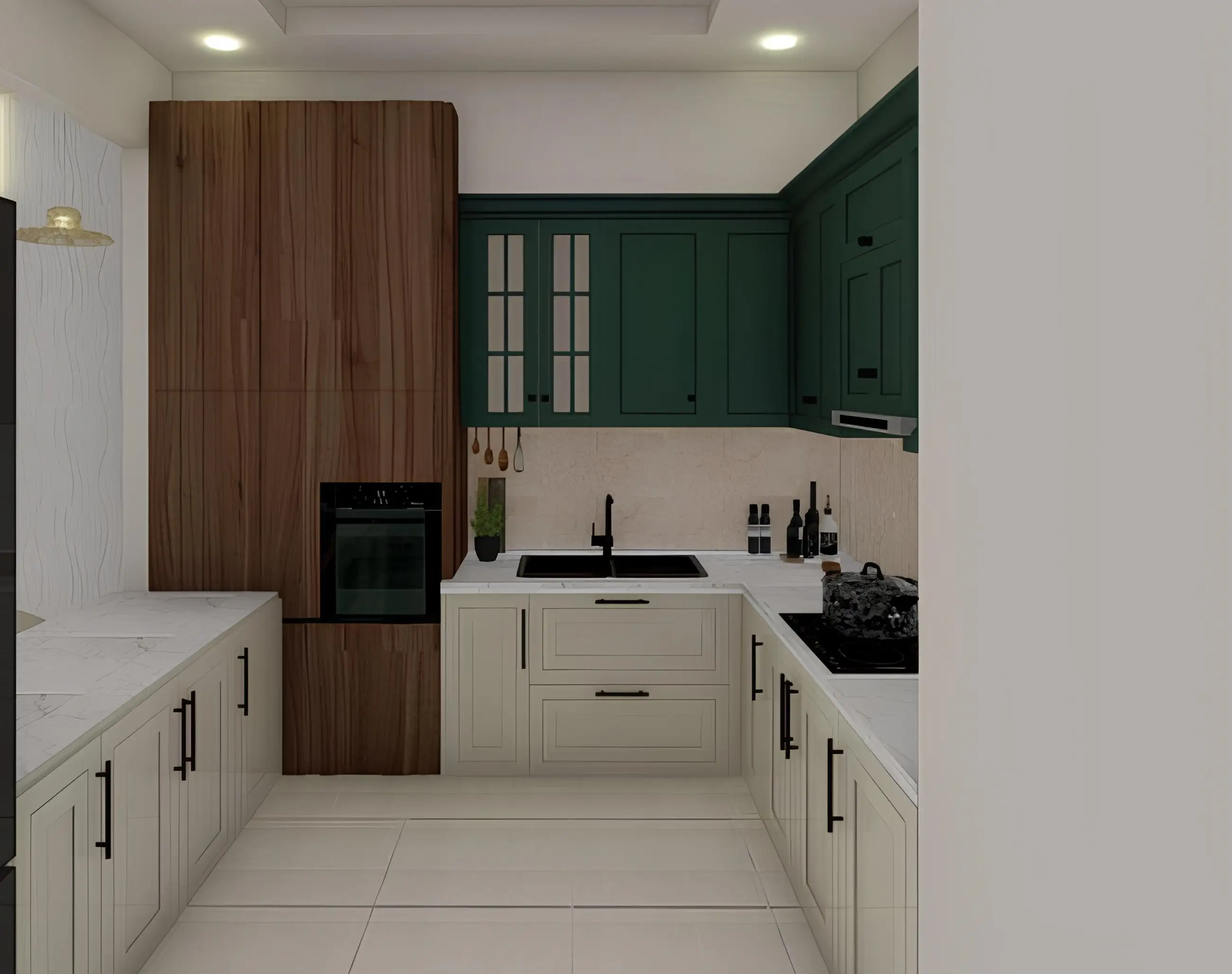
PURVANCHAL DEVELOPMENT "Purvanchal Townhouses" catalogue image in Al Furjan. Project marketing illustration; confirm the exact home's condition, specification and availability separately.
Analyse off-plan commitments and specification
For an off-plan proposal, request the exact project documents, unit plan, written specification and payment milestones. Ask which features in a sample home are standard inclusions and which are decorative presentation. Keep dated documents and reconcile any later change with the version used for your comparison.
Map every payment against funds you can actually access. Include transaction spending, finance conditions where relevant and the cost of making the home usable after completion. A small initial instalment may spread the commitment without reducing the amount needed overall. Compare schedules using the same cash assumptions rather than judging the booking headline alone.
Test how a timing change would affect your household. Could you manage temporary accommodation, school routines and later payments if the property is usable later than the convenient case? This is a planning exercise that helps identify fragile assumptions. The ready versus off-plan timeline guide provides a structure for comparing these different evidence types.
Compare the complete ownership budget
Request the latest available recurring charges for the exact home and clarify their scope. Apartment building charges, community-related spending and private villa upkeep should be recorded separately where applicable. Ask about outstanding balances and identify which party can confirm each line, rather than assuming the whole community shares one operating figure.
Add utilities, cooling, maintenance, furnishing, insurance where relevant, management and finance. For a garden or private pool, obtain appropriate upkeep information and quotations. Keep setup spending separate from annual costs. An apparently lower purchase price can involve a different initial commitment if the property needs work before it meets the intended use.
Maintain a reserve after completion and test ordinary uncertainty. A landlord should include vacancy, tenant changes and maintenance between occupants. An owner-occupier should consider repairs and any temporary accommodation during work. The preferred home should remain manageable beyond the most favourable first-year assumptions, with the evidence behind significant costs kept visible.
A household comparison example
Imagine a family considering an apartment with convenient access, a townhouse with more storage and a villa with a larger garden. The apartment reduces private outdoor upkeep, the townhouse separates living and sleeping areas, and the villa offers more flexibility. Each can be appealing, but the household needs a consistent way to compare the commitments.
The family ranks the school route, work space, accessibility and remaining cash reserve above decorative preferences. They test journeys, measure the plans and obtain setup quotations. The larger garden may remain desirable, yet its maintenance and cash implications must be weighed against features the household uses every day.
Write a similar rationale for your own shortlist. Explain what you gain, what you give up and which unanswered question could change the decision. A clear comparison helps the agent obtain focused answers and makes negotiation more productive than an offer based only on the most attractive photograph or broad community reputation.
Frequently asked questions about buying in Al Furjan
Is an apartment or townhouse better for a first purchase? The right choice depends on household space, accessibility, upkeep preferences and the complete budget. Compare actual layouts and responsibilities. A first purchase benefits from a clear brief and evidence, rather than a general rule that one property type is always preferable.
Does a Metro-related location description guarantee an easy walk? Check the route from the exact home, including gates, crossings and the station entrance. A map distance does not establish equal convenience for every resident. Test it with the intended routine and mobility needs in mind.
Can I alter a villa's garden or exterior freely? Request the applicable community guidance and appropriate professional advice before relying on a modification plan. The property purchase and permission for changes are separate questions. Keep any unresolved approval or technical requirement visible in your decision.
How do I estimate rental performance? Obtain current evidence matching the property type, neighbourhood, layout, condition and furnishing. Model costs and vacancy separately and investigate the intended resident's practical reasons for choosing the home. A community name does not guarantee achieved rent or uninterrupted occupation.
Your practical action plan
1. Choose the household brief and compare relevant home types.
2. Map the address and test the route to transport and services.
3. Inspect storage, privacy, stairs, parking and outdoor upkeep.
4. Confirm community rules, possession and property-specific costs.
5. Compare setup spending and reserve before committing to a home.
Prepare a focused Al Furjan property brief
State the intended use, required timing, regular destinations and property types worth considering. Compare the exact homes through access, usable space, privacy, condition and operating responsibilities. Keep current services separate from proposed features, and resolve important document and cost questions before making the purchase financially concrete.
Contact Property Gulf with your Al Furjan requirements and ask for a shortlist built around the household or rental brief. Share the budget, maintenance preferences, work pattern and move-in date. The next step should be targeted viewings and current property-specific evidence, making the chosen home's advantages and ownership commitment clear enough to assess confidently.