
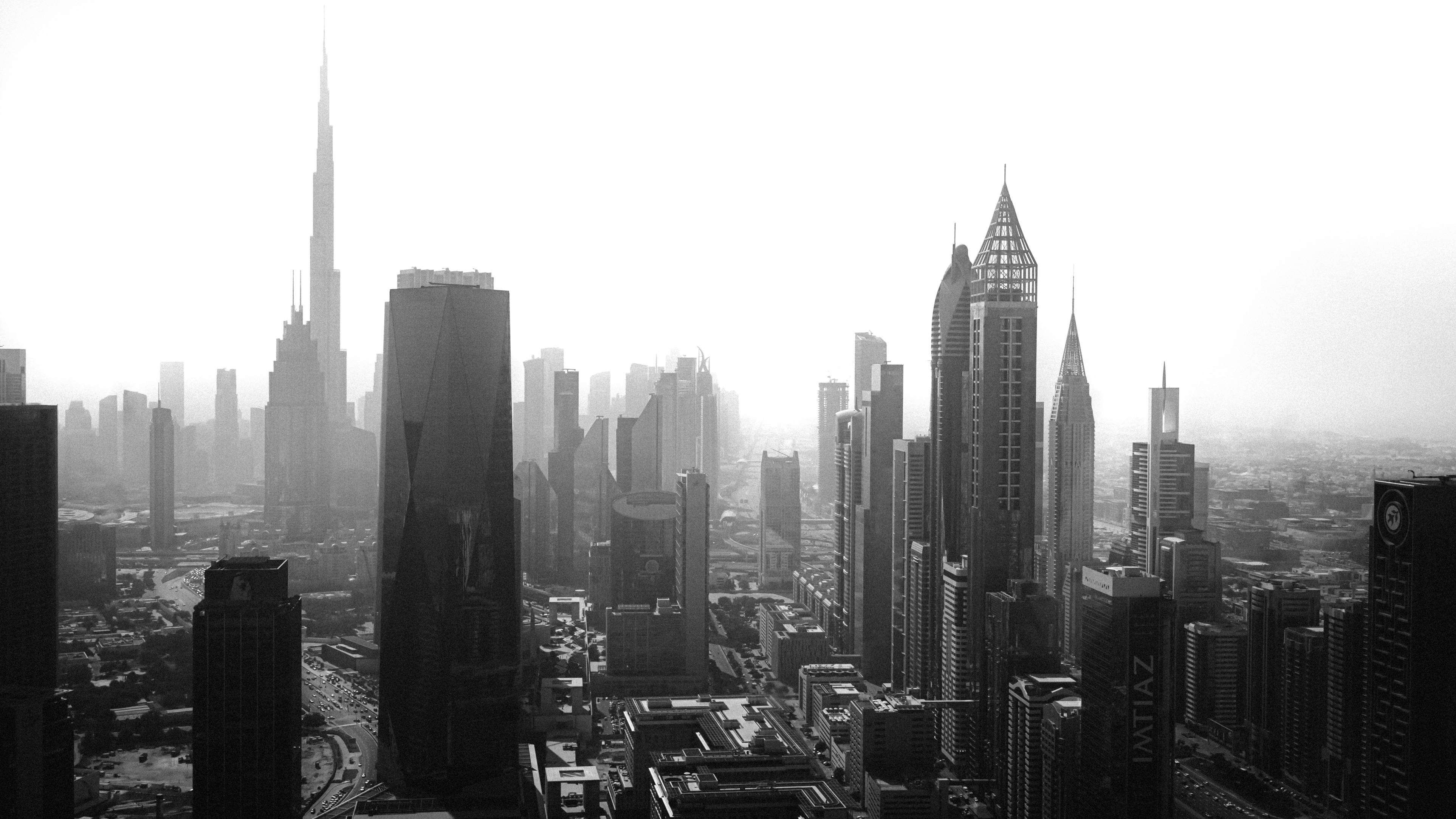
Dubai Rental Market Trends in 2026: What Tenants and Investors Need to Know

The rental market in Dubai has been operating at a speedy pace all along- but in the last couple of years, it has been acting in a strategic manner. We are not actually experiencing a spike. It is a change influenced by population increase, investor confidence, new visa reforms, and a city that is still appealing to international talents.
When you are either finding Dubai rental market trends in 2026 as a tenant or as an investor, this guide simplifies human terms in easy steps - what is increasing, what is leveling off and which smart opportunities still exist.
Dubai Rental Market Overview: Surge to Structure Growth
The rental market in Dubai passed to a more advanced stage after the rebound in the post-pandemic period and the booming growth cycle of 2022-2024. Prices remain high though the rate is becoming more comfortable.
Operant circumstances of the contemporary rental trends:
- It is a continued population growth.
- Inflows of foreign investors are strong.
- Business-friendly policies.
- The UAE Golden Visa, which is a long-term residency.
- High demand in the high end communities.
The population of Dubai has also passed 3.6 million and is still increasing, which provides a stable demand to residential properties. The fundamentals of Dubai are sound as opposed to most of the world cities experiencing rental corrections.
Rental Price Trends: Do Rents continue to rise?
- Slower Growth, Greater Stability: Prime Areas
Communities such as:
- Downtown Dubai
- Dubai Marina
- Palm Jumeirah
have experienced high rental increase in last two years. Moderation in rental increase in these areas is however experienced in 2026.
Why?
Since the prices were already at the premium level. The tenants that occupy these places are usually well-paid professionals, business persons and people who have moved to these places internationally. Demand is brisk -but explosive growth has become routine.
Trend Insight: Stabilization is now the order of the day in prime areas instead of sudden increases in prices.
- Mid-Market Communities: Continued Upturn
Lower priced neighborhoods like:
- Jumeirah Village Circle
- Dubai Silicon Oasis
- Al Furjan
still experiences high rental rates.
These communities attract:
- Young professionals
- Small families
- Remote workers
- First-time Dubai residents
Due to the high costs of living in areas, most tenants cannot afford the central locations and therefore mid-market neighborhoods are compensating the demand - causing rents to be continuously raised. Trend Insight: Inventory is getting tight at lower prices, particularly at well maintained units.
Supply vs Demand: The Actual Happening on Rental Trends

Dubai is still opening new residential developments at an unprecedented rate. But supply delivery does not necessarily have an immediate effect of alleviating rental pressure.
Here's why:
- Numerous new units are purchased by investors who offer competitive pricing on rentals.
- Premium developments will serve premium tenants.
- Population growth tends to exceed the unit handovers.
Concisely, the answer to this is yes, new supply is in the market, yet the demand is strong.
Projects in emerging communities such as: are also being launched by developers.
These domains will affect the rental price in the next 2-3 years.
Long-term Rentals vs Short-Term Rentals
The development of short-term rentals (holiday homes) is one more trend that is shaping the Dubai rental market.
The platforms, such as Airbnb, have promoted the transition of landlords to short-term leasing of units over yearly contracts, particularly in tourist-trekking locations such as:
During peak seasons, short-term rentals are able to yield more. They however have increased costs of management and occupancy risks.
2026 Trend: The regulatory clarity and preference of stable income are also making some landlords turn back to the long-term contracts.
Rental Yields: Why Investors are not weary of Dubai

Dubai is also among the best cities in the world in terms of rentals.
Average gross rental yields:
- Apartments: 6%-8%
- Villas: 4.5%-6%
- New communities: No more than 9% in some instances.
Dubai has better returns than other cities such as London, New York or Singapore where there is property tax and year-end income tax imposed on rent. That is one of the reasons why the global investors are still entering the market.
Tenant Trends: What the Renters will desire in 2026
The current tenants are more discriminating.
The new lifestyle after the pandemic shifted the priorities:
- Bigger layouts
- Balcony space
- Community amenities
- Proximity to metro stations
- Flexible working arrangements.
The communities around major business centers and metro services are still doing better. Housing adjacent to Expo heritage regions and business areas are of specific demand.
Rental Caps and Government regulations
Dubai rental market is run under RERA rental index. The landlords are not allowed to charge above the acceptable percentages according to market averages.
In this regulatory framework, it offers:
- Transparency
- Tenant protection
- Market stability
Although rents can increase after a renewal, they are controlled - which eliminates extreme peaks that can be observed in other metropolises of the world.
This building gives more confidence to the investor and still ensures fairness of tenants.
The Future Areas to Monitor In the Next 12-24 Months
There are a number of destinations under the spotlight:
- Dubai South
Near Al Maktoum International Airport development and logistics centres. - Meydan
Luxury apartments and villas near Downtown and with a lower entry point. - JVC Expansion Zones
Even still remains cheap compared to the prime districts.
Those regions can be further expanded in terms of rentals as infrastructure is enhanced.
Is Dubai Rental Market a Bubble?
This is among the most sought out questions on the internet.
Short answer: No obvious indications of a speculative bubble.
Why?
- Strong end-user demand
- Large share of cash customers
- Government regulation
- The market supported by real economic growth.
Under the existing circumstances, a sharp crash scenario is not probable although price increase in certain segments might decrease.
What This Means for Tenants
If you're renting in Dubai:
- High-demand areas to increase moderately.
- Enter into bigger contracts where possible.
- Better to consider emerging communities.
- Strategize on good price listings, act.-- there is still competition.
The Implication of This to Investors
If you're investing:
- Dwelling upon yield instead of speculation.
- Mid-market apartments are now providing balanced risks.
- Examine infrastructure-based communities.
- Think of both long and short-term rental plans.
Dubai is appealing due to:
- Zero income tax
- Strong ROI
- Currency stability
- International buyer demand
Conclusions: Where Does Dubai Rental Market Go?
The trends of Dubai rental market in 2026 are expected to be stabilized growth, high demand, and sustainability over the long term.
We are not in the extreme rebound phase - but we are not even a slowdown.
Economic and demographic growth is still increasing in the city. The rental business is in good health. Supply is flowing but the absorption is high.
Planning and negotiation are critical to tenants than ever.
To the investors, intelligent location selection is important.
The history of rental in Dubai is changing - it is changing in an organized, controlled and internationally assured way.
About Property Gulf
As experts in the Dubai real estate market, Property Gulf has established itself as a leading force since 2007. Our main goal has been to achieve excellence in services and client satisfaction, making us the preferred choice for both buyers and sellers.
Learn more about us →Related Articles

Categories
Looking for your dream property?
Let our expert team help you find the perfect property in Dubai. Contact us today for personalized assistance.
Contact Us